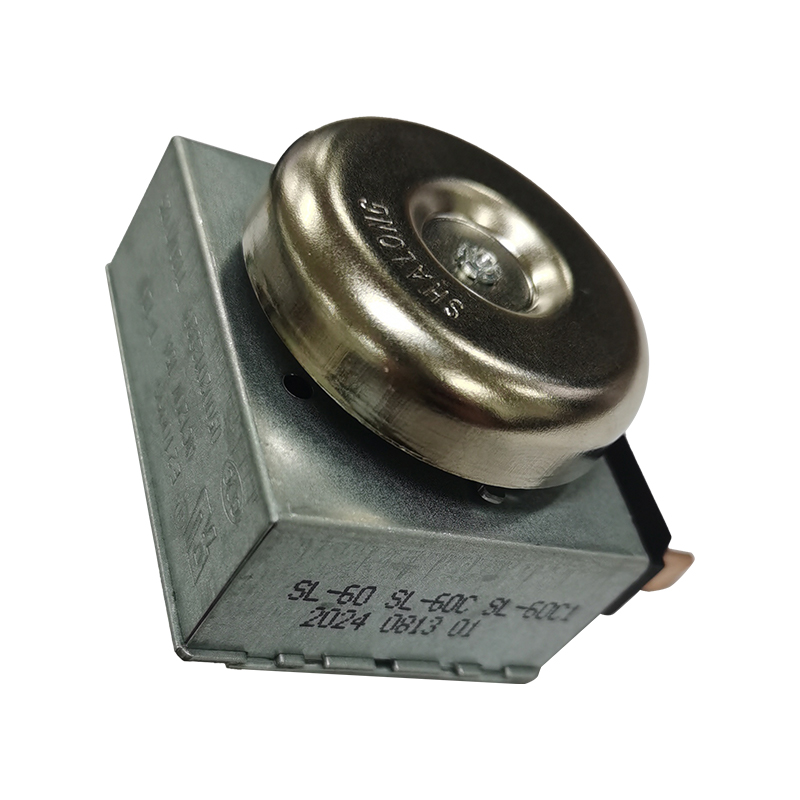
A bathroom extract fan still running twenty minutes after the shower, a heated towel rail left on until morning, a corridor light nobody remembers to switch off. These are the small daily failures a wall switch with timer is built to prevent, and they are the reason the category keeps appearing in retrofit projects and new-build specifications alike. The conclusion first: the plate, the colour and the packaging are the easy part. What decides whether the product survives five years of daily use is the timer module behind the plate, and that module carries its own setting tolerance, ambient temperature rating, contact rating and cycle life.
This guide is written for the people who make that decision with money attached: switch manufacturers adding a countdown model to their range, importers comparing quotations from three or four sources, wholesalers who need the same part to behave identically across repeat orders, and facility buyers replacing failing units in volume. It covers what actually sits inside a wall switch with timer, how mechanical and electronic modules differ in the field, which countdown ranges belong in which rooms, and how to audit a timer manufacturer before tooling money changes hands.
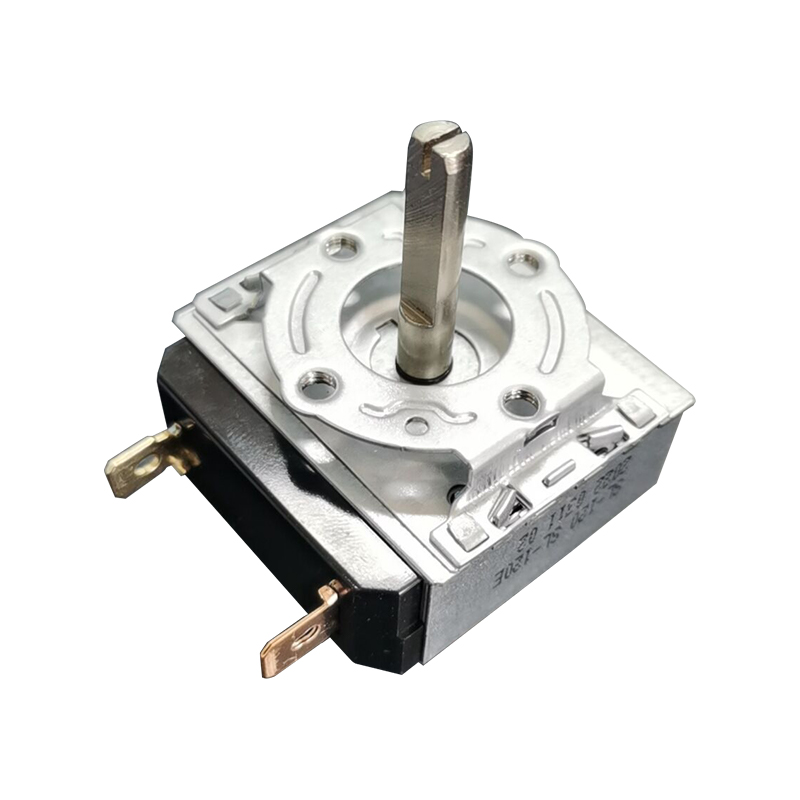
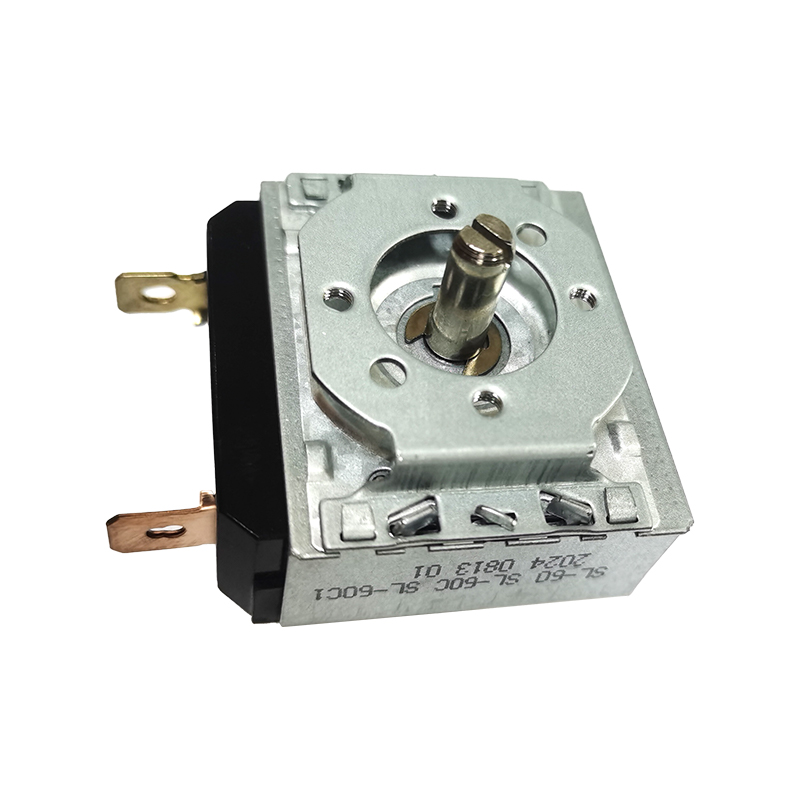
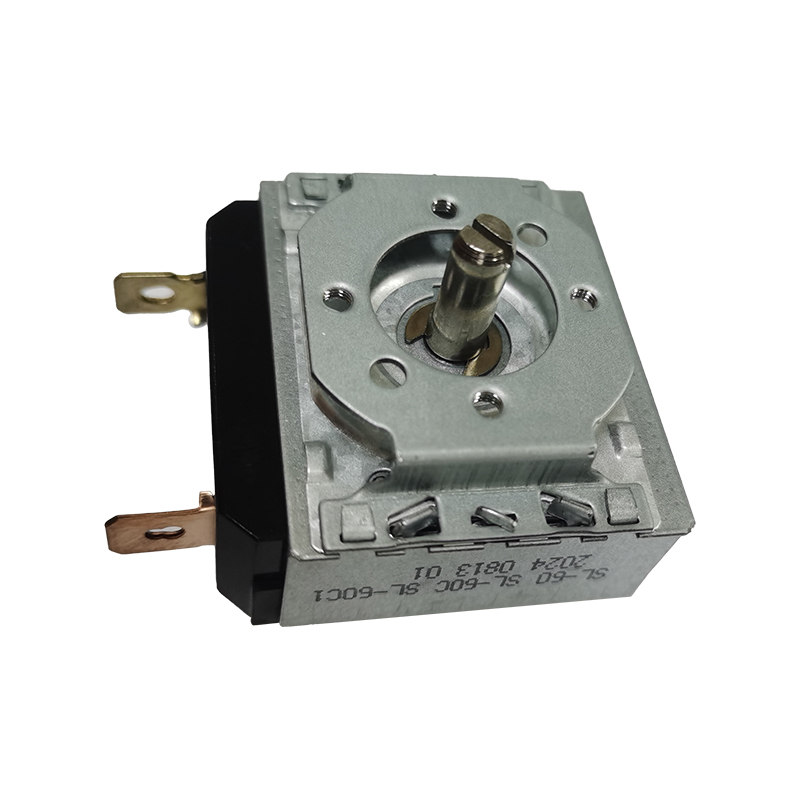
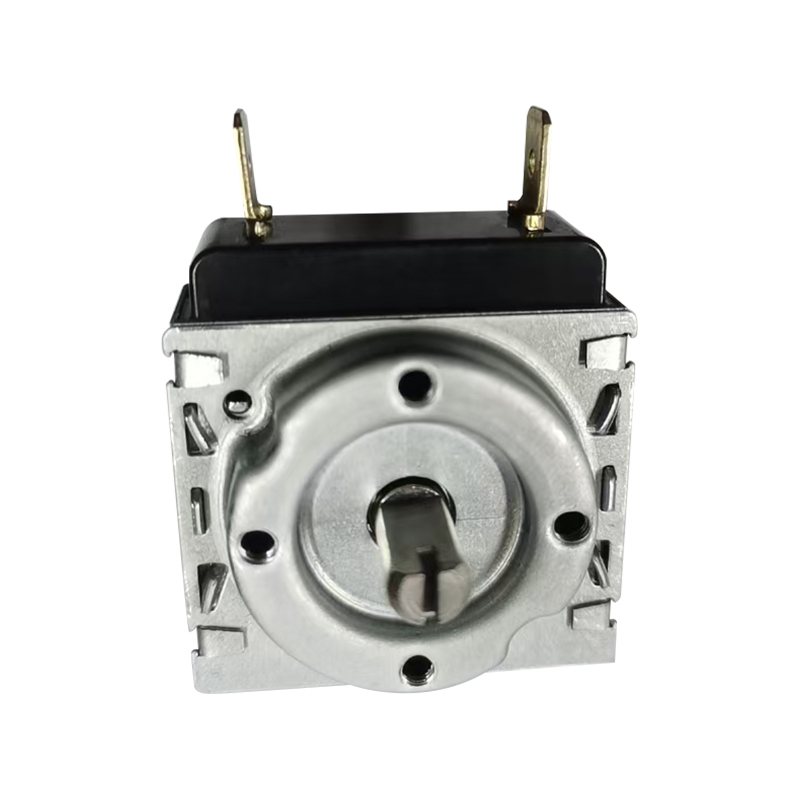
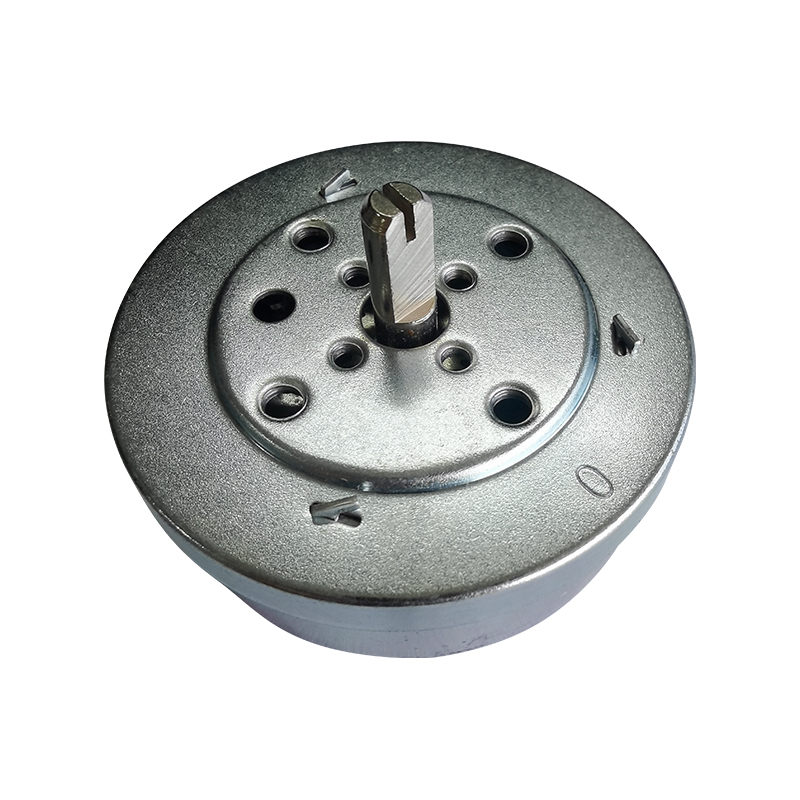
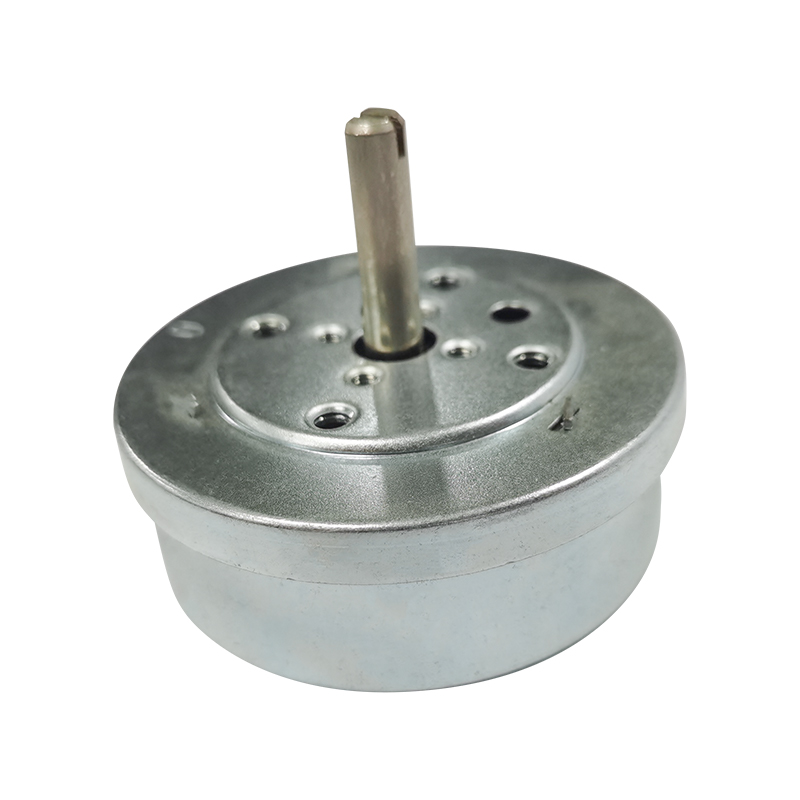
Jiangsu Shalong Mechanical & Electrical Technology Co., Ltd. has produced mechanical timing components since 1991 at its site in Jingjiang, Jiangsu, close to the Yangtze. Its catalogue runs from 5-minute mechanisms for medical equipment through 15, 30, 60, 90 and 120-minute versions to 160 and 180-minute high-temperature-resistant types, and those parts sit inside ovens, air fryers, steamers, disinfection cabinets, pressure cookers and sterilizers. The same mechanisms, packaged for in-wall control, are exactly what a countdown switch needs, which turns a finished-goods question into a component question.
Specify the timer module first and the wall plate second, because every field complaint about a wall switch with timer traces back to the mechanism, the contact set or the tolerance, never to the faceplate.
What a Wall Switch With Timer Actually Contains
Four product families carry that name in the market, and buyers often mix them up in a single request for quotation. A countdown timer switch runs a fixed period once the user turns a dial or presses a button, then opens the circuit. A programmable in-wall timer stores a weekly schedule and switches at set clock times. An occupancy or motion switch activates on movement and holds the load for an adjustable delay. A connected switch adds a radio module and an app. Only the first two are true time-based devices in the electrical sense, and only the countdown version works reliably without a neutral conductor in every case.
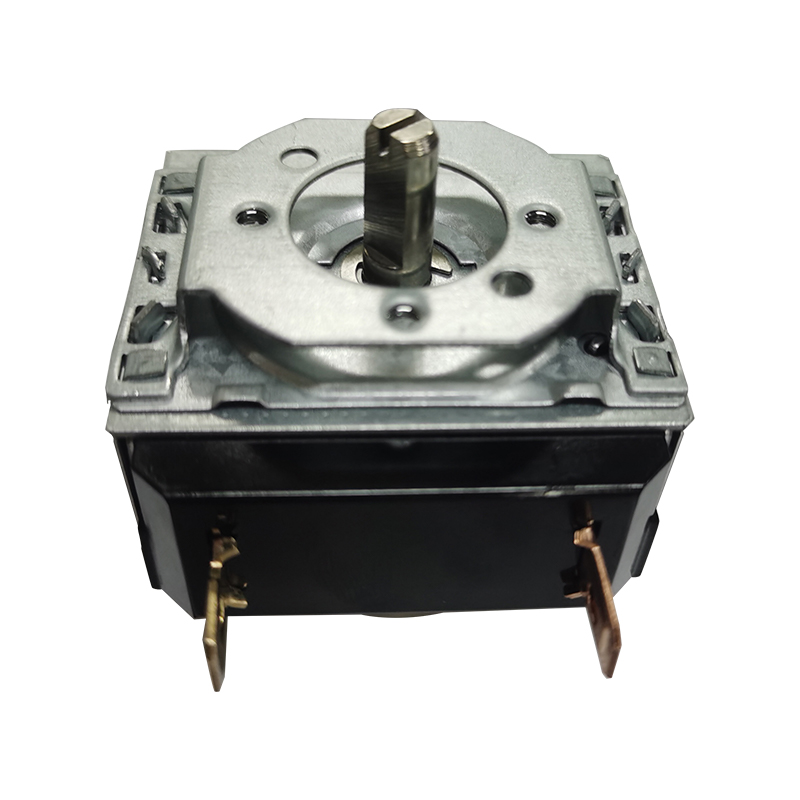
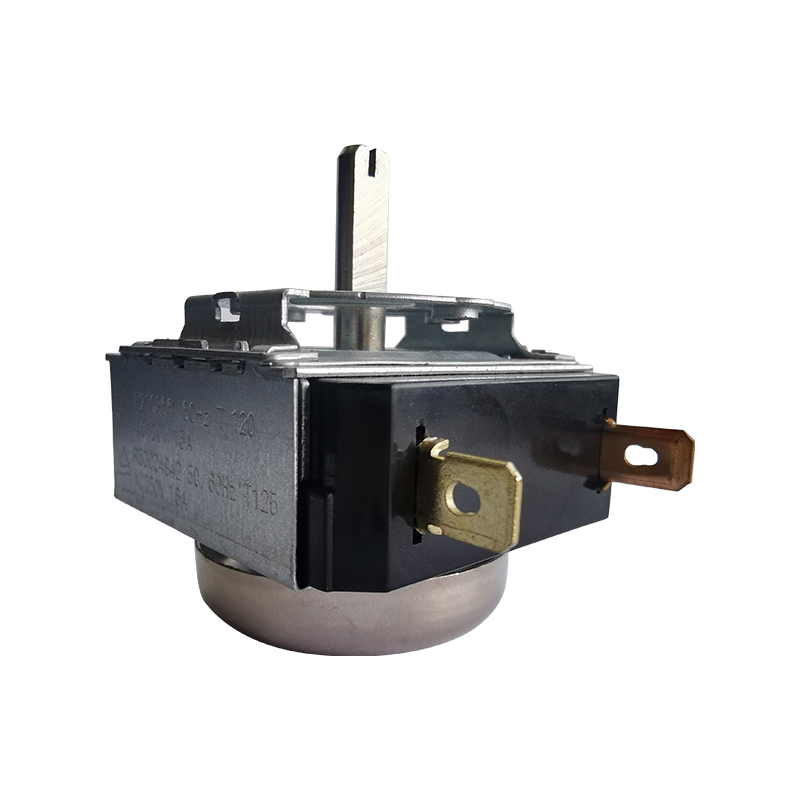
The countdown type is the workhorse of corridors, bathrooms, cloakrooms, storage areas and stairwells, so it deserves the closest look. Inside a spring-wound version you will find a wound mainspring driven by the dial, a reduction gear train, an escapement that governs how fast the spring releases, a cam on the output shaft, and a snap-action contact block. Turning the dial stores energy. Releasing it lets the spring unwind at a controlled rate. When the cam reaches the rest position, the contact opens and the load drops out. No supply is needed to keep time, which is why the mechanism keeps counting through a power interruption and why a two-wire installation is often possible.
The quality difference between an average module and a good one sits in three places that a buyer never sees on a sample: the material of the gears, the finish on the escapement, and the way the mechanism steps past the dead points of its own train. A well-designed module advances through those points rather than stalling on them, so the last two minutes of a 30-minute setting feel the same as the first two. This behaviour is what separates a timer that still works in year four from one that drifts, sticks or refuses to latch.
A countdown module stores energy in a spring and releases it through an escapement, so its reliability is a mechanical wear question rather than a firmware question.
Mechanical Against Electronic: Which Module Belongs in Your Switch
Neither architecture wins outright, and a supplier who tells you one does is selling rather than advising. The choice depends on how the switch will be installed, how hot the wall box runs, how often the setting changes and how much the buyer is willing to pay at volume. The table below sets out the practical differences that show up in specification reviews.
Typical differences between spring-wound and electronic countdown modules used inside in-wall timer switches; confirm actual figures against the datasheet for the specific model.
| Attribute |
Mechanical spring-wound module |
Electronic digital module |
| Timing energy source |
Wound spring, no supply needed to hold the setting |
Mains supply, often with capacitor or battery backup |
| Neutral wire |
Usually not required in pure countdown versions |
Generally required for timing and display |
| Common ranges |
5, 15, 30, 60, 90, 120, 160 and 180 minutes |
Countdown from one minute plus weekly scheduling |
| Setting tolerance |
Wider spread, normally quoted as a share of full scale |
Tighter, quoted in seconds per day for clock functions |
| Repeatability over life |
Governed by gear and escapement wear |
Governed by oscillator stability and component ageing |
| Standby consumption |
Zero when idle |
Small but continuous |
| High ambient temperature |
Metal versions tolerate elevated heat well |
Limited by capacitors, displays and seals |
| Behaviour during a power cut |
Keeps counting down |
Loses timing unless it carries a backup |
| Interface options |
Rotary dial or single knob, no display |
Buttons, LCD or LED, menu structure |
| Installed cost at volume |
Lower |
Higher, driven by electronics and firmware |
| Typical failure mode |
Wear, sticking, contact erosion |
Component failure, moisture ingress, firmware faults |
Read the table from the installer's side and the pattern becomes obvious. In older housing stock without a neutral at the switch box, a mechanical countdown is often the only compliant route to a timer function, because pulling a neutral conductor can double the labour content of the job. In a new commercial fit-out where a neutral is present, an electronic unit earns its price through scheduling, adjustable delays and digital readout.
The thermal question matters more than most buyers expect. A wall box that shares space with dimmers, or sits on a sun-facing exterior wall, can run noticeably warmer than the room. Electronic modules tolerate that condition only up to the rating of their capacitors and displays. Metal mechanical modules are less sensitive, which is why high-temperature-resistant versions built for oven cavities translate comfortably into demanding wall applications.
There is also a service argument. A mechanical module either runs or it does not, and diagnosing a stuck dial takes seconds. An electronic unit can fail silently in ways that require a return-to-base test. For wholesalers holding stock, the predictability of the failure mode often weighs as heavily as the headline price.
Choose the module against the wiring and the thermal environment of the box, not against the feature list of the catalogue page.
Matching Countdown Range to the Room and the Load
Most returns on timer switches are not electrical failures at all, they are range mistakes: a 60-minute dial fitted to a cloakroom fan, or a 5-minute dial fitted to a heated towel rail. The rated range should be chosen so the longest sensible run sits comfortably inside the dial's travel rather than at its end stop. The chart below shows the ranges commonly available across mechanical timer platforms and where each one usually lands in practice.
Rated timing ranges across mechanical timer platforms and the applications they usually serve
5 to 15 min
Medical devices, sterilizer hold
15 min
Egg cooker, short fan run
30 min
Bathroom fan, disinfection cabinet
60 min
Air fryer, deep fryer, towel rail
90 min
Oven bake, long fan override
120 min
Pressure cooker, slow cooking
180 min
Electric steamer, unattended cycles
The pattern above is not theoretical. It comes from the way appliance makers already match a mechanism to a duty cycle, and it transfers directly to wall-mounted control. A fan that clears a small bathroom in ten minutes does not need a 60-minute dial, and giving it one simply wastes energy every time someone turns it to the top of the scale. A towel rail or a space heater, by contrast, is usually run for an hour or more, so a 15-minute mechanism forces the user to restart the dial repeatedly, which is the fastest way to wear out both the spring and the user's patience.
Range selection also decides the granularity of the dial scale. A 15-minute module gives roughly one minute per graduation, which is fine control. A 180-minute module with the same physical sweep gives twelve minutes per graduation, so a user asking for "about twenty minutes" cannot express it. Buyers specifying a family of switches should keep the scale legible for each range rather than reusing a single dial print across the whole series.
For a supplier, the practical advantage of building a family around one mechanism platform is that the same gear train and contact block serve several ranges with different cams and dial prints. That is how a manufacturer can offer 30, 60 and 90-minute countdown versions of the same switch without retooling the whole assembly, and why a buyer should ask which parts are common across the range before signing off a multi-range order.
 DKJ SL Countdown Mechanical Timer for AppliancesMetal countdown timer with 30/60/90-minute family options and customizable 1–180 minute settings, suited to appliance applications and multi-range orders.View Product →
One more field note on range. Where a switch serves a room with variable occupancy, such as a shared washroom, a dial that starts at a sensible minimum is safer than one that starts near zero. Users tend to turn a dial to the position that looks "about right", and if the scale begins at two minutes, that is what the fan will get.
Pick the range so the normal duty cycle sits in the middle of the dial, not at either end, and keep the graduation spacing readable on every variant in the family.
Electrical Ratings, Load Types and the Callbacks They Cause
A timer contact that switches a resistive load happily can arc itself to death on a motor. This is the single most common electrical surprise in the category, and it appears after installation rather than on the bench. The rating printed on the switch should be read as a set of separate figures for resistive, inductive and motor loads, and any supplier who quotes a single amperage without qualifying the load type is giving you an incomplete answer.
Consider the loads a wall switch with timer normally controls. An extract fan with a shaded-pole or capacitor-run motor draws a starting current several times its running current. An LED luminaire with a capacitive driver presents a short, sharp inrush that can weld lightly rated contacts over time. A heated towel rail is close to purely resistive and is the friendliest load in the list. A pump or a small compressor is the harshest, because the motor may restart against pressure.
The contact block inside a mechanical module is therefore not a commodity part. Contact material, spring pressure, wipe distance and the speed of the snap action all decide how many switching cycles the module survives before the surfaces pit. A slow-breaking contact on an inductive load produces a longer arc and a shorter life, which is why a mechanism designed for an oven, where the load is resistive and the switching infrequent, is not automatically right for a fan circuit switched several times a day.
Terminal design deserves equal attention. Screw terminals with a proper clamp plate hold torque better than a bare screw bearing directly on stranded wire, and a loose terminal on a 16 A circuit is a fire risk rather than an inconvenience. Buyers should ask for the recommended conductor range and the specified tightening torque, then check that the marking on the product matches what the instruction sheet says.
Finally, consider derating for enclosure. A switch packed into a shallow box alongside other warm components runs hotter than the same switch on a test bench, and contact resistance rises with temperature. Where several timer switches sit in a multi-gang plate, the manufacturer's derating guidance is not optional reading.
Match the contact block and terminal design to the actual load type, because a motor inrush or an LED driver will destroy a contact set that was only ever tested on a resistive bench load.
Tolerance, Temperature and Cycle Life in Mechanical Modules
Three numbers decide whether a mechanical module feels precise or cheap, and all three should be available in writing before a purchase order is raised.
Setting accuracy and repeatability
Accuracy is usually quoted as a percentage of full scale, so a 60-minute module at plus or minus ten percent may finish anywhere between 54 and 66 minutes. That is acceptable for a fan and unacceptable for a process step. Repeatability is the more useful figure for most buyers: if the same setting produces the same run time within a narrow band every time, users trust the dial, and trust is what keeps a product in a catalogue for a decade. Ask how the figure was measured, on how many samples and at what temperature, because a tolerance quoted without a method is marketing.
Ambient temperature and material choice
A module destined for a wall box in a warm climate, or for a switch mounted close to a heating appliance, needs its materials chosen for that environment. Metal housings and metal gear trains hold their dimensions far better than moulded plastics when the temperature climbs, and they do not creep under spring load. High-temperature-resistant mechanical timers originally developed for oven cavities carry that material discipline with them, which is why a supplier with appliance experience can often meet a demanding wall specification without starting from a blank sheet. Lubricant choice matters as much as the metal: a grease that thins at high temperature will let the escapement run fast.
Cycle life and the self-stepping mechanism
Cycle life is normally expressed as a number of full rotations at rated load, and it should be tied to a defined test. The weak points are predictable: the mainspring takes a set, the escapement pallets wear, the cam profile polishes away, and the contact surfaces pit. A mechanism that steps reliably through its own dead points distributes that wear more evenly and keeps timing stable to the end of its rated life. Buyers evaluating samples should run a simple abuse test of their own: fifty rotations at the shortest setting, fifty at the longest, and a check that the dial still returns to zero cleanly without a nudge.
 SLS-X Compact Manual Mechanical TimerCompact 1–90-minute manual timer for kitchen appliances, with small-size precision construction and customizable settings for space-constrained oven and cooker designs.View Product →
Space is the fourth variable. A compact precision mechanism lets a switch designer keep the wall plate slim and leave room for wiring behind it, which matters in retrofit work where box depth is fixed by the existing installation. A module a few millimetres deeper can be the difference between a product that fits the market and one that only fits new build.
Demand written figures for tolerance, temperature and cycle life with the test method attached, and treat an unqualified accuracy claim as no claim at all.
Interface Decisions: Dial, Button or Display
The interface is where the buyer's customer meets the product, and it is also where the cheapest possible saving produces the most visible complaint. Three options dominate the category.
Rotary dial
A dial communicates time as a position rather than a number, which suits anyone who wants to set a fan without reading a screen. It also gives the mechanism its winding energy, so the gesture and the function are the same action. The design details that matter are detent feel, dial diameter against the plate, grip for wet hands, and a clear end stop so the user knows the dial is fully home. A dial that can be forced past its stop will damage the cam. Printed scales should be legible under low light and should not rely on colour alone to distinguish positions.
Push button and rocker
A button interface allows a stepped scale, for example 5, 10, 15 and 30 minutes, with an indicator per step. It is easier to operate for people with limited grip strength and easier to seal against dust. The engineering cost moves into the linkage between the button and the mechanism, which must be positive rather than spring-loaded if the setting is to survive vibration. Button legends need to be moulded or laser-marked rather than printed, because a paper label in a wet room has a short life.
Digital display and programming
A display buys scheduling, countdown visibility and multiple modes, at the price of a neutral connection, a standby draw and a more complex service story. Where it is used, the display should default to something useful after a power cut rather than sitting blank, and the programming steps should be short enough to complete from a step ladder without the instruction sheet.
 60-Minute Round Mechanical Timer for Free-Standing OvensRound 60-minute mechanical timer intended for free-standing ovens, offered as an OEM/ODM item for buyers seeking a consistent timer family.View Product →
Whichever interface is chosen, consistency across a range is worth more than novelty in any single model. A wholesaler stocking three functions from one supplier wants the same dial feel, the same plate fixing and the same terminal layout, so that the range reads as a family and the installer only learns one product.
The interface is the only part of a wall switch with timer that the end user ever judges, so treat dial feel, scale legibility and end-stop strength as specification items rather than finishing touches.
Wiring, Box Depth and the Retrofit Reality
Most timer switches are sold into buildings that already exist, and existing buildings are unforgiving. A two-wire countdown module that takes its timing energy from the spring rather than the supply is a genuine advantage here, because it can replace a plain switch without a new cable run. An electronic unit that needs a neutral may still be installable, but the labour to get that conductor to the box can exceed the price of the switch several times over.
Depth is the second constraint. Standard flush boxes vary considerably between markets, and a mechanism plus terminal block plus wiring must fit inside the shallowest one the product is likely to meet. Buyers should measure the rear clearance of the module, not the front profile of the plate, and should confirm that the terminal block does not sit directly behind the dial shaft where a bundle of conductors will press against it.
Installation instructions carry more weight than they are usually given. A timer switch that is wired with line and load reversed will often appear to work and then fail in a way that looks like a product fault. Clear terminal marking, a wiring diagram printed on the back of the module and a short multilingual leaflet solve more field problems than an extra feature ever will.
For commercial premises, the labelling question is worth raising during specification. A switch that carries a visible maximum run time, for example "30 minutes maximum", reduces the chance that a cleaner or a contractor treats it as a permanent supply. In premises where the switch is accessible to the public, a tamper-resistant fixing screw is a small addition with a measurable effect on maintenance cost.
Design for the box that already exists in the wall, because the wiring constraint decides more installations than the feature set ever will.
Certification and Market Entry
Certification is where a quotation is won or lost. For North American markets, the relevant evidence is a recognised listing mark on the finished product, with the certificate scope covering the exact model and the factory that makes it. For European markets, a declaration of conformity supported by low voltage and electromagnetic compatibility test reports is the baseline, and a notified body mark may be expected by some channels. Other regions have their own schemes, and a supplier who already holds marks across several of them is usually a supplier with real export experience rather than a trading intermediary.
The detail that catches buyers is scope. A certificate for a 60-minute module does not automatically cover a 180-minute variant, and a certificate for one terminal arrangement may not cover another. Ask for the certificate number, check the model list on it, and confirm the manufacturing address matches the factory you intend to audit. A supplier that answers those three questions without hesitation is telling you something useful about its quality system.
Material compliance belongs in the same conversation. Restrictions on hazardous substances, registration obligations for chemicals and packaging rules differ by market, and the documentation should be current rather than a copy from several years ago. For appliance-grade mechanisms, the same discipline applies to the component suppliers upstream, which is one reason a manufacturer with its own tooling and in-house testing holds an advantage over one that assembles from bought-in parts.
Verify certificate scope against the exact model and factory address, because an approval that does not name your product is not an approval for your product.
How to Vet a Wall Switch Timer Manufacturer
Once the specification is settled, the risk moves from the product to the supplier. A timer manufacturer that builds its own mechanisms behaves differently from one that buys finished modules and fits them into plates, and the difference shows up in lead time, change control and how quickly a tolerance question gets a real answer.
Scale is a reasonable first filter. A company that has operated since 1991, runs a self-built plant of more than 40,000 square metres, employs over 800 people including more than 80 engineers, and participates in drafting industry standards is likely to have the process discipline that a multi-year supply agreement needs. Where the same organisation also designs and builds its own small-module gear hobbing machines, automated machining equipment and high-speed progressive dies, the tooling chain is under its own control, which shortens the path from a drawing to a production sample.
A practical audit sequence looks like this:
- Ask for the mechanism drawings and the tolerance table before any sample is sent, and check that the two agree.
- Request cycle-life and temperature test reports for the specific model, not for a similar one.
- Confirm which parts are common across the countdown range and which are model-specific cams or dials.
- Review incoming inspection records for the contact block and the mainspring, the two components most likely to vary between lots.
- Walk the assembly line and check that the escapement setting is verified by gauge rather than by ear.
- Ask how a running change to lubricant or gear material would be communicated, and get the answer in writing.
- Place a small order, then re-order three months later and compare the two batches on the bench.
That final step tells you more than any brochure. Consistency between batches is the whole point of buying from a manufacturer rather than a trader, and it is the quality a wholesaler's own customers will judge the product by.
Judge a timer manufacturer on batch-to-batch consistency and on whether it controls its own tooling, because those two facts predict everything a purchase order will experience later.
Wholesale Sourcing, MOQ and Total Cost of Ownership
The cheapest quotation is rarely the cheapest decision. Take a simple comparison between a module priced at one unit of currency and another at one and a quarter. If the cheaper unit fails in service at twice the rate, the arithmetic changes quickly, because a field failure costs the replacement part plus the labour plus the administrative overhead of processing a claim, and that total is usually several times the price difference. For a wholesaler, the calculation also includes the cost of holding buffer stock against a higher defect rate.
Order quantities interact with that calculation in ways worth modelling before negotiation. A larger moulding or stamping run lowers unit cost but ties up capital and shelf space, and a long production run can lock in a version of the design just before a better one becomes available. A sensible middle path is to agree a framework quantity across a family of ranges, so the manufacturer can batch the common mechanism while varying the cams and dials, and the buyer gains volume pricing without committing to a single model.
Private label work adds its own checklist: plate artwork, packaging artwork, language variants for the instruction leaflet, the marking of the rating and the certification logos, and a clear agreement on who owns the tooling. For a wholesaler selling into several markets, the ability to receive one mechanism in three different plate styles is often worth more than a marginal price reduction.
Lead time should be discussed in the same breath as price. Ask what the standard production lead time is, what lead time applies to a repeat order versus a first order, and how the supplier handles a forecast change of a few weeks. A manufacturer with in-house stamping and machining can usually absorb a schedule shift that would force a trader to disappoint a customer.
Price the wall switch with timer across its whole service life, because one avoided field failure usually pays for the difference between a cheap module and a good one.
Frequently Asked Questions About Wall Switch With Timer
Does a wall switch with timer need a neutral wire?
A spring-wound countdown switch typically does not, because the mechanism takes its timing energy from the dial rather than the supply. Electronic programmable timers and units with a display generally do need a neutral to run their electronics continuously, so check the wiring diagram before ordering for a retrofit project.
How accurate is a mechanical countdown module?
Accuracy is normally quoted as a percentage of the full scale, so a 60-minute module may finish within a few minutes either side of the setting. That is well within what a fan, a towel rail or a lighting override needs. Ask for the figure together with the test method and the sample size, and judge repeatability as well as absolute accuracy.
Can a timer switch control a fan motor or a small pump?
It can, provided the contact block is rated for the motor load rather than only for a resistive load. Starting current on a motor is several times the running current, and a contact set that was tested only on lamps will pit faster. Check the manufacturer's published ratings for inductive and motor loads, and follow any derating guidance for multi-gang installations.
Many installations are well served by 15 to 30 minutes, which clears the room without running the fan long after the moisture has gone. A 60-minute dial on the same circuit encourages users to overrun. In shared washrooms, choose a range whose scale still allows a short run, since users tend to set a dial to the position that looks reasonable.
How long should a wall switch with timer last?
Service life depends on cycle count and load type more than on calendar age. A mechanical module in a domestic bathroom might see a few thousand operations in a decade, while a corridor switch in a school may see that many in a year. Ask the supplier for the rated cycle life at rated load and for the failure mode to expect, then match that figure to the application.
Can a wholesaler order private-label timer switches with different plates?
Yes, and this is where sourcing from a manufacturer rather than a trading company pays off. The mechanism can stay identical across several plate styles and markets, while artwork, markings and instruction leaflets change. Agree the tooling ownership, the approval process for artwork and the minimum quantity per variant at the start, not after the first shipment.
Most of the questions above are answered by two documents a serious supplier should already have: the mechanism tolerance table and the contact rating by load type.
A wall switch with timer looks like a simple accessory and behaves like a precision component. The dial only feels right when the escapement is right, the contact block only lasts when it was chosen for the load, and the batch only matches the sample when the manufacturer controls its own tooling. Buyers who settle the module specification before the faceplate specification avoid the returns, the callbacks and the re-orders that quietly erode a product line's reputation.
For appliance makers, switch brands and importers working through the same problem, the useful next step is a technical conversation rather than a price request: share the load type, the required range, the ambient conditions and the certification target, and ask for the mechanism that fits all four. That is how a timer supplier earns a place on a drawing instead of a place on a price comparison sheet.
Start every timer switch project with the duty cycle, the load type and the box environment, and let those three facts choose the mechanism.



 English
 中文简体