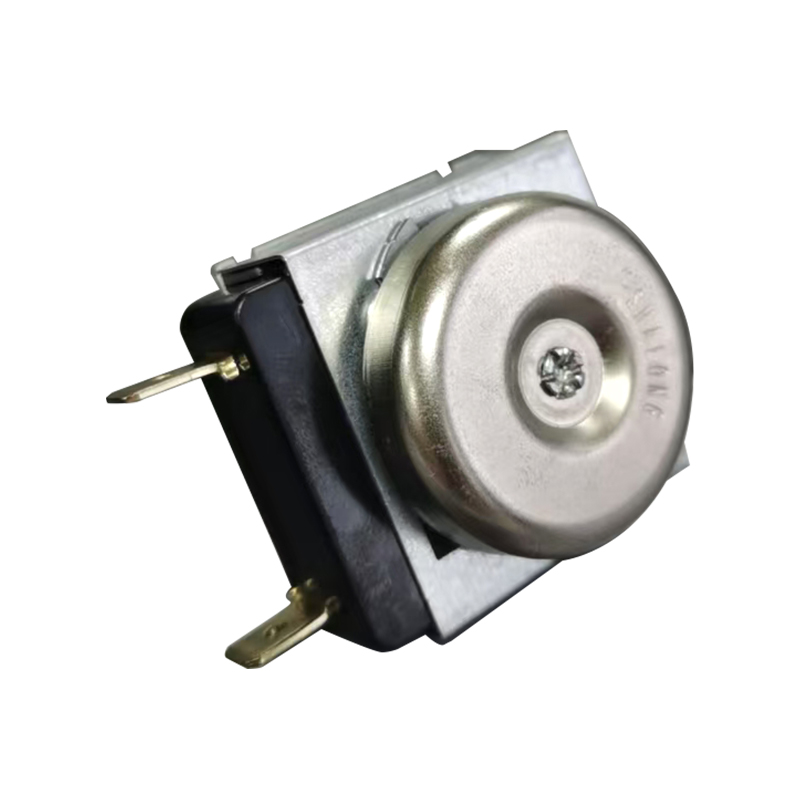
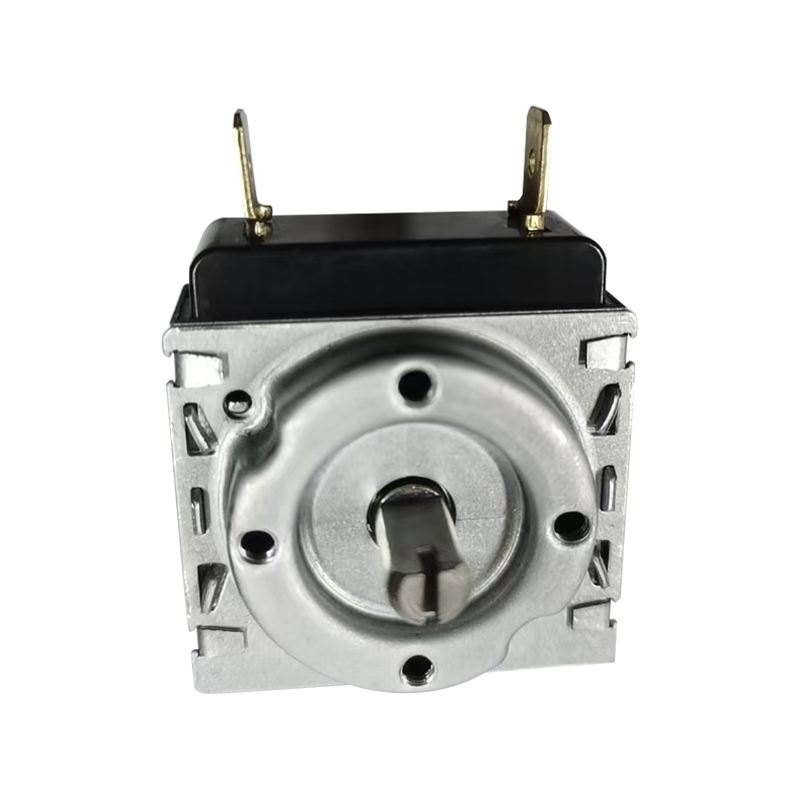
When a procurement engineer at an appliance brand asks for a switch timer switch that can hold up inside a 230°C oven cavity, the conversation rarely starts with price. It starts with timing accuracy after 10,000 cycles, contact rating, and whether the supplier can deliver the same cam profile for the next five years. A switch timer switch is not a commodity off the shelf; it is a mechanical assembly that decides when a heating element turns off, when a buzzer sounds, and how safely a consumer can walk away from a running appliance. For manufacturers, suppliers, and wholesalers serving the kitchen appliance industry, the difference between a good and a poor timer often shows up in warranty claims long after the purchase order is closed.
This guide is written for B2B decision makers who need to specify, source, or qualify a mechanical switch timer switch for ovens, air fryers, electric steamers, pressure cookers, sterilizers, and similar products. It covers how the device works, why mechanical designs remain common in high-temperature appliances, what certifications matter for different export markets, and how to evaluate a manufacturer before committing to a production schedule. The focus is on practical selection criteria and procurement risks rather than textbook theory.
Jiangsu Shalong Mechanical & Electrical Technology Co., Ltd. has been producing metal mechanical timers since 1991, with a factory base in Jingjiang, Jiangsu, and a product range that covers SL-X regular timers, SLS-X small-size precision timers, and circular timers for ovens. The company serves appliance manufacturers and export buyers, and its products are used in ovens, air fryers, steamers, pressure cookers, disinfection cabinets, and medical devices. That experience shapes the recommendations below.
A switch timer switch is a safety-related component, not just a timekeeping accessory. The specification you approve will determine cooking consistency, certification compliance, and warranty exposure for the entire appliance program.
What a Switch Timer Switch Does Inside a Kitchen Appliance
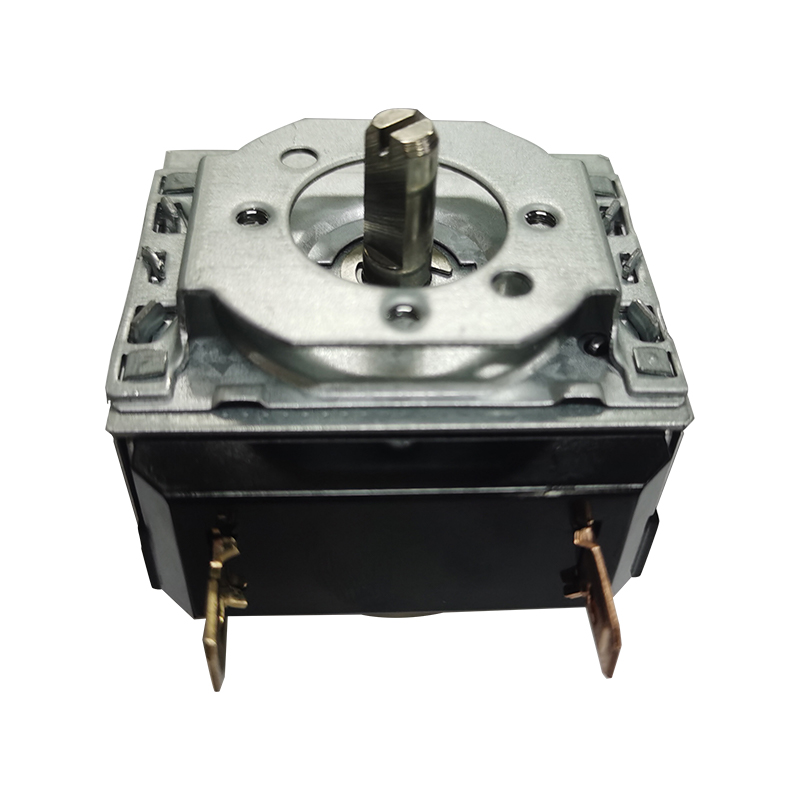
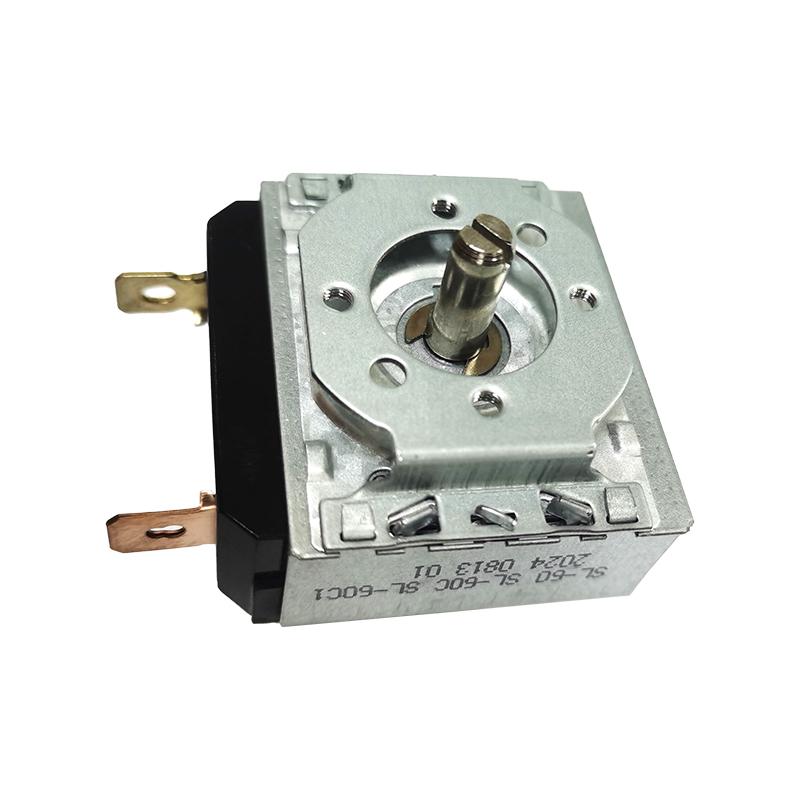
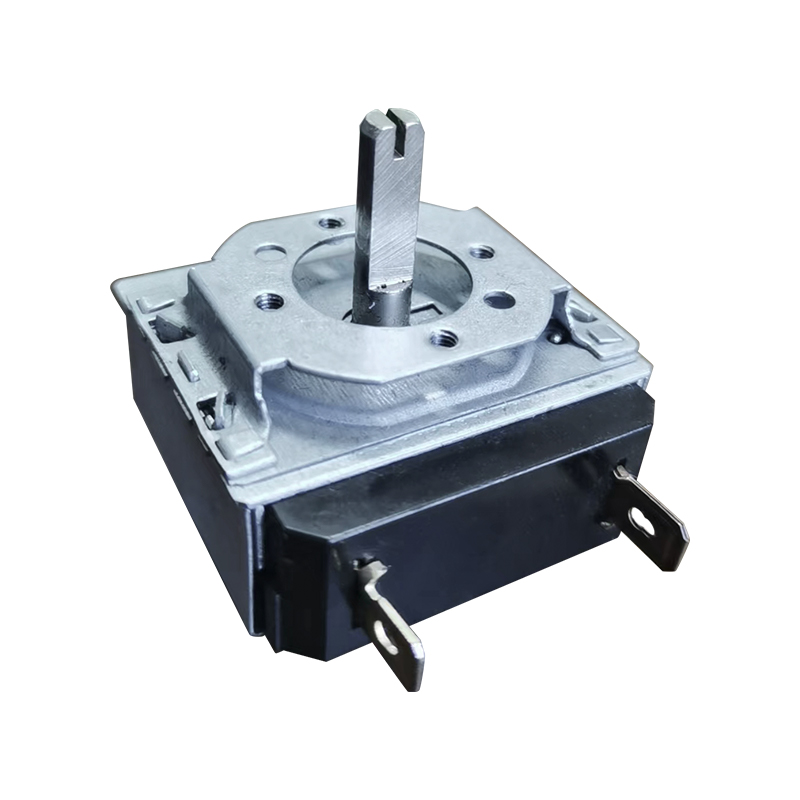
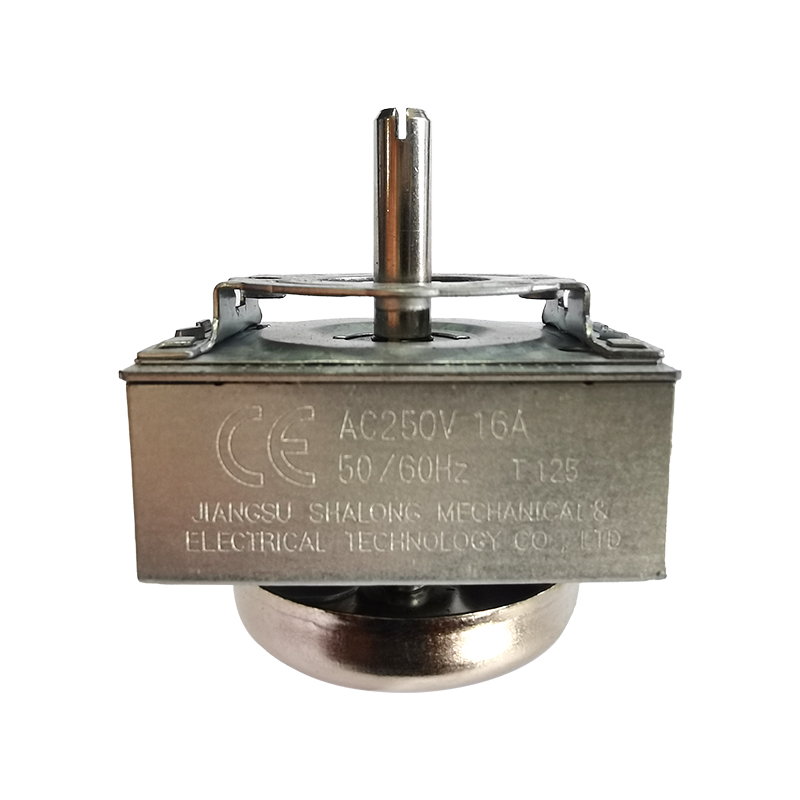
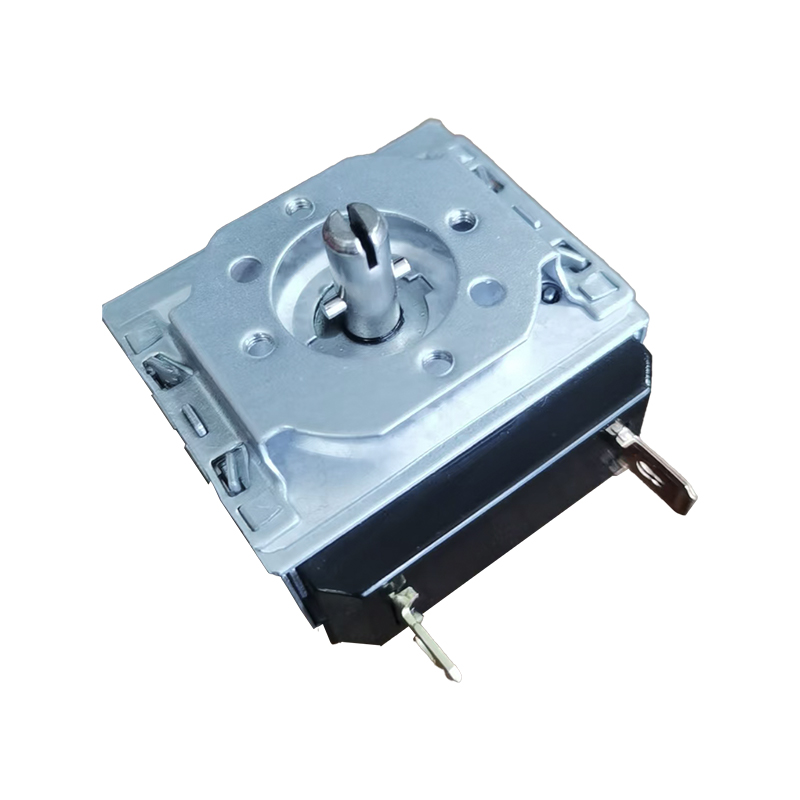
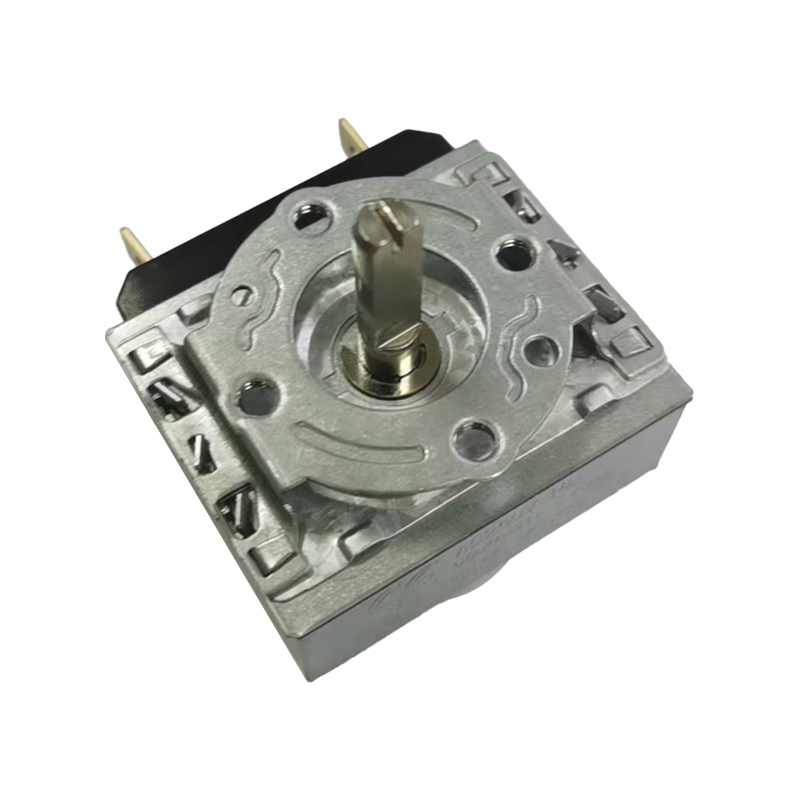
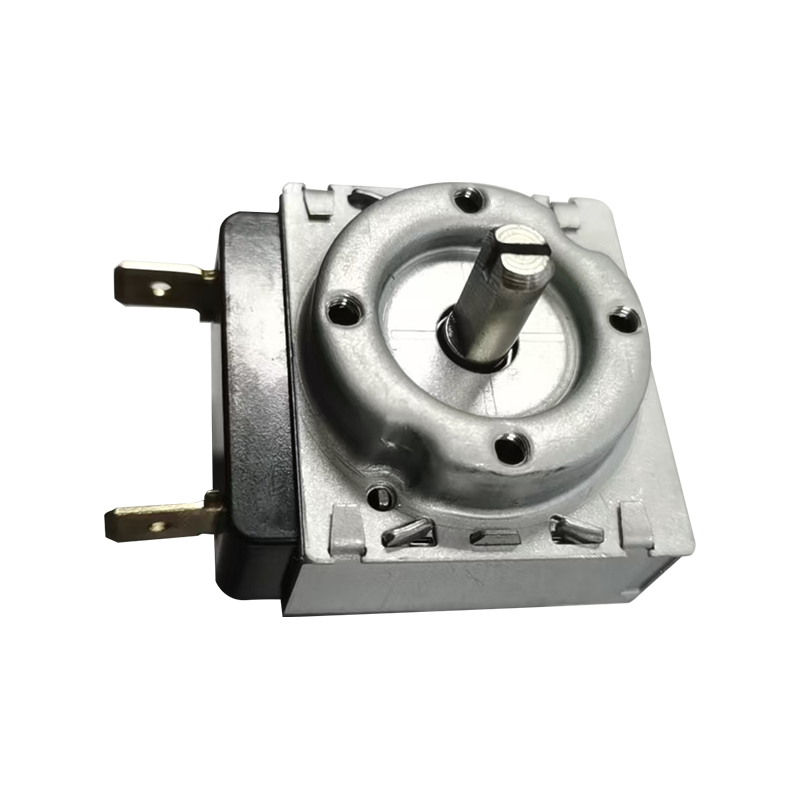
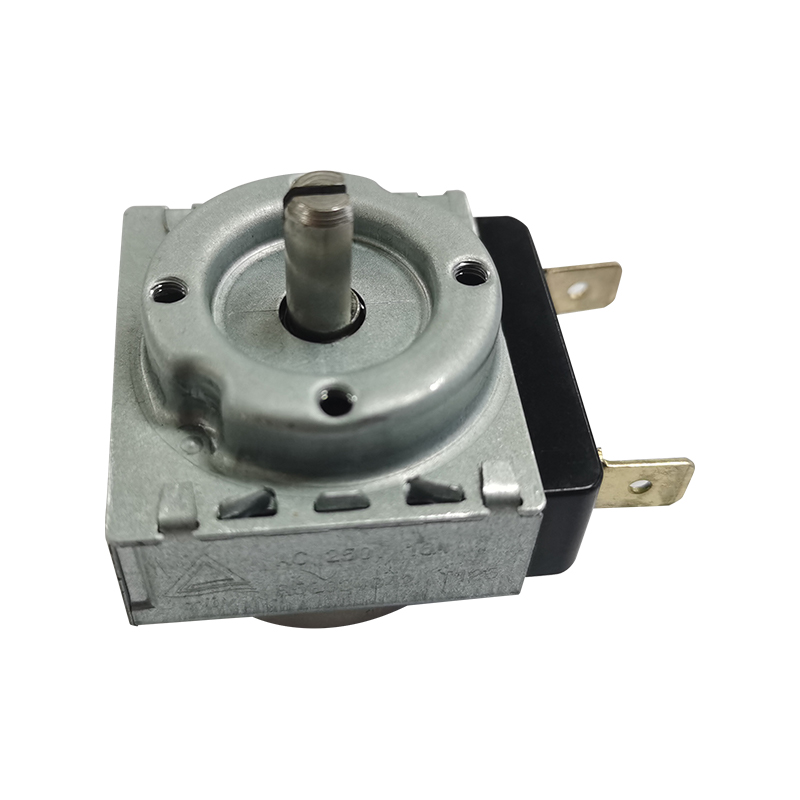
A switch timer switch combines two functions in one mechanical package: it measures a set time interval and it opens or closes electrical contacts at the end of that interval. In a typical oven timer, the user turns a shaft to set the desired minutes. That rotation winds a spring and positions a cam. As the spring unwinds through a gear train, the cam rotates slowly. When the cam reaches the zero position, it releases a contact arm, which opens the heating circuit and may also strike a bell or buzzer. The appliance stops heating even if the user forgets about it.
The mechanical nature of this operation matters. Unlike an electronic timer, which depends on a low-voltage circuit, a crystal oscillator, and a relay, a mechanical switch timer switch uses the stored energy of a spring and the geometry of metal parts. There is no firmware to update and no battery to replace. In high-temperature environments, this simplicity is an advantage because the timing mechanism does not drift with semiconductor leakage or capacitor aging. However, it also means that manufacturing tolerances in the gear train, cam profile, and spring torque directly affect accuracy and repeatability.
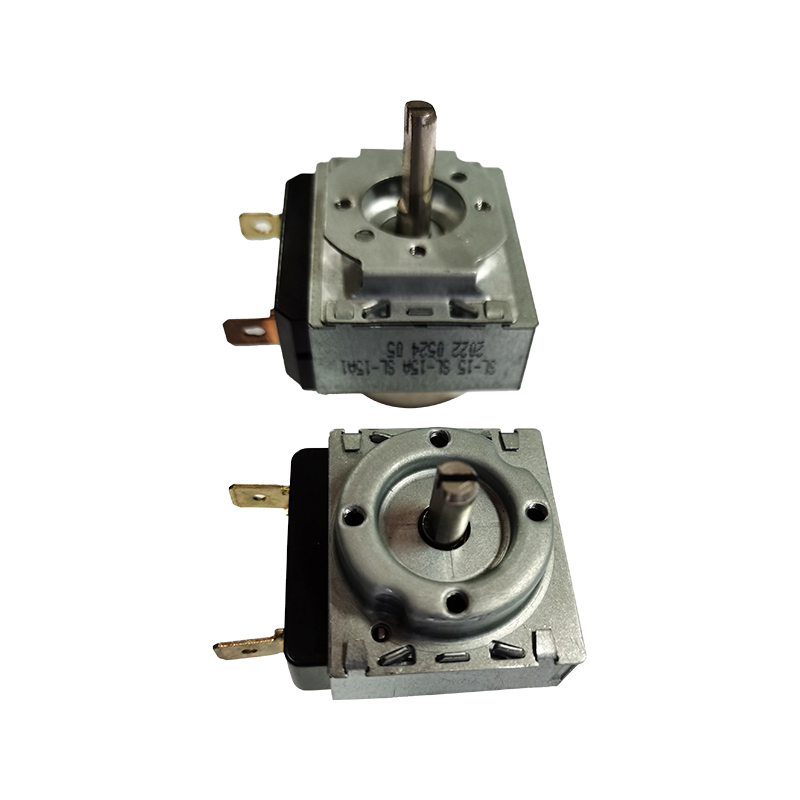
Inside a metal mechanical timer, several subassemblies work together. The winding shaft and setting knob transfer user input to the mainspring. The gear train reduces the spring's rapid unwinding into a controlled rotation. The escapement or damping mechanism regulates the speed. The cam and contact assembly determine when the electrical circuit changes state. The bell or buzzer mechanism, when present, provides an audible end-of-cycle signal. Each of these subassemblies must survive thousands of cycles without lubrication failure, plastic creep, or contact welding.
For appliance designers, the switch timer switch is often the primary means of limiting cooking time. In an air fryer, for example, a 30- to 60-minute timer prevents overheating and reduces fire risk if the user leaves the kitchen. In an electric steamer, a 180-minute timer with a bell allows long steaming cycles while still providing an automatic shutoff. The timer is therefore part of the appliance's safety architecture, not merely a convenience feature. That is why certification bodies pay close attention to its electrical ratings, temperature resistance, and endurance performance.
Another important function is user interface consistency. A mechanical timer gives the user a physical dial with printed minute marks, a tactile click at the zero position, and an audible bell. For many appliance brands, this familiar interaction is a selling point, especially in markets where consumers prefer simple controls over digital menus. A well-designed switch timer switch can be operated with wet or greasy hands, which is common in kitchen environments.
A mechanical switch timer switch uses a spring, gear train, cam, and contacts to measure time and switch the load. Its mechanical simplicity supports high-temperature operation, but accuracy and endurance depend on tight manufacturing control of every moving part.
Why Mechanical Switch Timer Switches Remain the Default Choice
Electronic timers offer flexible programming, digital displays, and easy integration with smart features. Yet many appliance manufacturers still specify mechanical switch timer switches for ovens, air fryers, and steamers. The reason is not nostalgia. It is a combination of temperature capability, cost structure, certification simplicity, and user expectations in specific market segments. The table below compares the two approaches on criteria that matter to B2B buyers.
Comparison of mechanical and electronic timer technologies for kitchen appliances
| Criteria |
Mechanical switch timer switch |
Electronic timer |
| High-temperature tolerance |
Metal versions can operate near oven cavities and steam generators; no semiconductors exposed. |
Requires thermal isolation, heat sinks, or remote placement; electronics degrade faster. |
| Timing accuracy |
Typically ±10% to ±15% of set time, sufficient for cooking and safety shutoff. |
Can be ±1% or better, but accuracy may drift with temperature and component aging. |
| Power supply |
No low-voltage supply needed; contacts directly switch the load within rating. |
Needs a DC supply, transformer, or battery; adds cost and failure points. |
| User interface |
Physical dial, tactile feedback, audible bell; simple and familiar. |
Buttons and display; flexible but requires labels and may be harder to use with wet hands. |
| Certification path |
Well-understood component standards; straightforward creepage and clearance review. |
Requires EMC testing, software review, and additional safety analysis. |
| Endurance |
Thousands to tens of thousands of cycles depending on design and load. |
Relay or triac life may be limited by switching current and thermal cycling. |
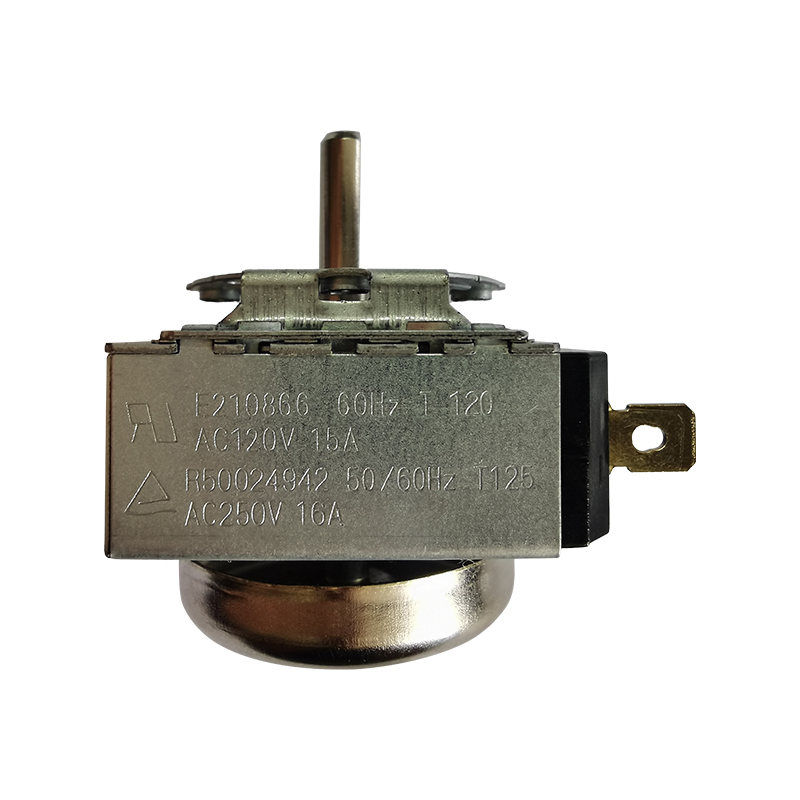
The comparison shows why mechanical timers remain attractive for high-power heating appliances. A switch timer switch that can handle 16A at 250VAC and operate in a warm enclosure often costs less than an electronic alternative with equivalent safety margins. For a manufacturer building hundreds of thousands of units per year, that cost difference compounds quickly. It also simplifies the bill of materials because no separate power supply, display, or microcontroller is required.
Certification is another factor. Mechanical timers are evaluated as components under standards such as UL 60730 or IEC 60730, with clear requirements for electrical ratings, temperature rise, and endurance. Electronic timers may fall under the same standard but often trigger additional software and EMC clauses. For an appliance brand trying to shorten time-to-market, a pre-certified mechanical switch timer switch from an experienced manufacturer can reduce testing scope and documentation burden.
That said, mechanical timers are not the right answer for every product. Appliances that need multiple cooking presets, delayed start, or app connectivity will still require electronic controls. In many designs, the two coexist: a mechanical switch timer switch provides the primary safety shutoff, while an electronic board handles display and fan control. This hybrid approach is common in modern ovens and air fryers. It gives the user digital convenience without sacrificing the robust thermal and electrical performance of a mechanical timer.
For wholesalers and importers, the mechanical timer also has a practical advantage: it is easier to stock and service. There are no firmware versions to match, and replacement parts are physically interchangeable across production batches if the manufacturer maintains tooling. That reduces after-sales complexity for distributors serving repair shops and small appliance assemblers.
Mechanical switch timer switches remain the default for high-temperature, high-power kitchen appliances because they combine thermal robustness, direct load switching, familiar user interaction, and a simpler certification path than electronic alternatives.
Matching Switch Timer Switch Specifications to Appliance Categories
Different appliances place different demands on a switch timer switch. An oven timer must survive radiant heat and long baking cycles. An air fryer timer must handle rapid temperature swings and frequent short cycles. A steamer timer must resist moisture and provide longer timing ranges. A medical device timer must meet stricter accuracy and cleaning requirements. The following subsections outline key considerations for common categories, with reference to specific product families available from Shalong.
Ovens and Free-Standing Ovens
Oven timers are usually specified for 60, 90, or 120 minutes, with or without a bell. The critical requirements are high-temperature resistance, reliable contact opening at the end of the cycle, and a shaft length that matches the control panel depth. In free-standing ovens, a circular timer is often used because it fits a round cutout and provides an intuitive dial. The 60-minute round oven mechanical timer for free-standing ovens is a typical example, designed for direct mounting and simple wiring. For built-in ovens with longer baking programs, a 90-minute or 120-minute version may be preferred.
SL-X series oven timers without bell are available in 60- and 90-minute versions with CE and TUV certification. These are often chosen when the appliance already has an electronic end-of-cycle signal or when the brand wants to keep the control panel clean. In contrast, SLS-X series oven timers with bell in 60- and 90-minute versions carry CE, TUV, and DKJ marks, making them suitable for markets that require audible notification and broader certification coverage.
 Oven metal mechanical timers SL 60 90min without bell CE TUVTime setting: 15', 20', 30', 60', 100',120', 180' or customized (1-180min timer range) Applicable: Microwave/Oven/Electric Pressure Cooker/Kitchen Machine Contact capa...View Product →
Air Fryers
Air fryers typically use 30- to 60-minute timers with a maximum temperature often exceeding 200°C. Because the heating element cycles on and off rapidly, the timer contacts must withstand frequent switching. A switch timer switch for an air fryer should be tested for both electrical endurance and mechanical endurance. The SLS-X series air fryer metal mechanical timer in 30–60 minutes without bell, with UL and CE certification, is designed for compact air fryer cavities where space is limited. The SL-X series air fryer metal mechanical timer in 30–60 minutes with bell and UL/DKJ certification offers an audible signal for users who prefer a clear end-of-cooking cue.
 Air fryer metal mechanical timer SLS 30 60min without bell UL CETime setting: 15', 20', 30', 60' or customized (such as 90 min) Applicable: Oven/Electric Pressure Cooker/Kitchen Machine Contact capacity: AC 120V 15A; Communication ...View Product →
Electric Steamers, Egg Cookers, and Food Steamers
Steaming appliances often require longer timing ranges because vegetables, dumplings, and certain grains need 30 to 60 minutes or more. A 180-minute timer with bell is common for electric steamers, while egg cookers typically use a 15-minute timer without bell. Moisture is the main environmental challenge. The timer housing and shaft seals should resist condensation and cleaning sprays. The SL-X series electric steamer metal mechanical timer SL-180min with bell is built for long steaming cycles and provides an audible signal when the water has largely evaporated. For smaller egg cookers, the SLS-X series egg cooker metal mechanical timer SLS-15min without bell offers a compact, low-cost solution.
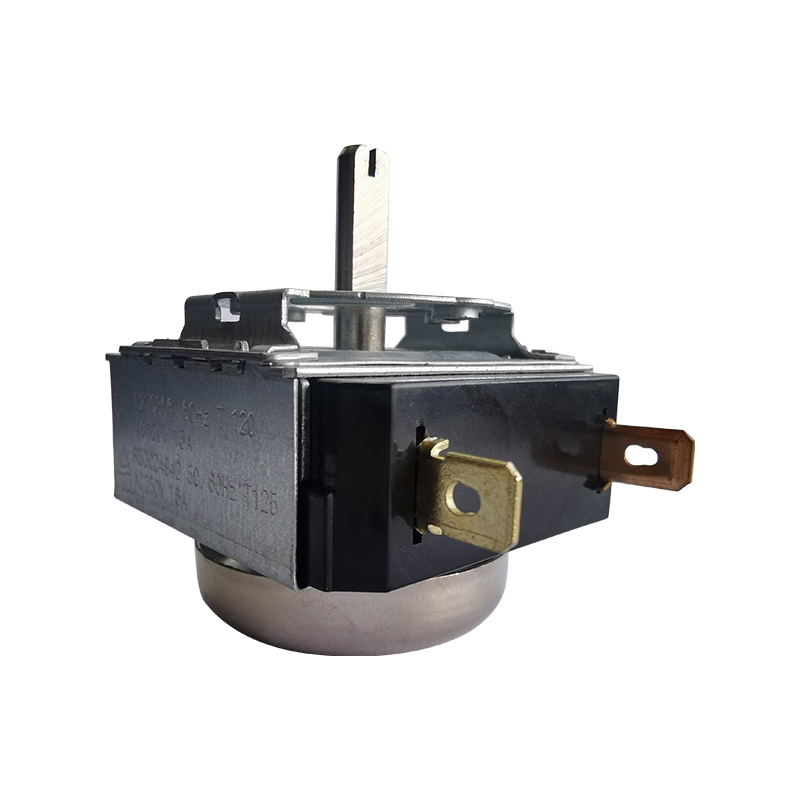 Electric steamer metal mechanical timer SL 180min with bellTime setting: 15', 20', 30', 60', 100',120', 180' or customized (1-180min timer range) Applicable: Microwave/Oven/Electric Pressure Cooker/Kitchen Machine Contact capa...View Product →
Electric Pressure Cookers
Pressure cookers use timers to limit the pressurized cooking phase. A 100- or 120-minute timer is typical. The timer must operate reliably even when the appliance generates steam and heat. Because pressure cookers have safety interlocks, the timer is usually part of a chain that includes a pressure switch and a thermal fuse. The SL-X series electric pressure cooker metal mechanical timer in 120- and 100-minute versions is designed for this category, with contact ratings that match the heating load and a shaft configuration that fits standard control panels.
Disinfection Cabinets and Sterilizers
Disinfection cabinets and sterilizers require timers that can withstand humidity and, in some cases, chemical vapors. A 30- or 60-minute timer with DKJ or SL certification is common. The sterilizer metal mechanical timer in 20–30 minutes is used in laboratory and medical sterilizers where a precise, repeatable cycle is important. For disinfection cabinets, the SL-X series disinfection cabinet metal mechanical timer in 30–60 minutes with DKJ/SL certification provides a practical balance of cost and reliability.
Medical Devices and Specialized Equipment
Medical device timers often require tighter accuracy and documented traceability. A 5- to 15-minute timer with CE and UL certification can be used in equipment such as sterilizers, sample preparation devices, and dental appliances. The SL-X series medical device metal mechanical timer in 5–15 minutes with CE/UL certification is an example of a timer adapted to this segment. While medical devices have additional regulatory requirements beyond the timer itself, choosing a component with the right certifications simplifies the overall approval process.
Baiting Machines and Other Specialized Appliances
Some niche appliances, such as baiting machines, require a long timing range and high-temperature resistance. A 180-minute high-temperature-resistant metal mechanical timer can serve these applications. The SL-X series baiting machine high-temperature-resistant metal mechanical timer 180min is one option. Although the end product is not a kitchen appliance, the timer requirements are similar: reliable mechanical operation, stable timing, and resistance to heat and outdoor conditions.
Across all categories, the selection process should start with the appliance's maximum operating temperature, required timing range, load current, and certification needs. Once those parameters are clear, the choice between a regular timer, a small-size precision timer, or a circular timer becomes straightforward. The goal is to match the switch timer switch to the actual stress profile of the appliance rather than over-specifying or under-specifying it.
Match the switch timer switch to the appliance's real stress profile: oven timers need heat resistance, air fryer timers need fast-cycle endurance, steamer timers need moisture tolerance, and medical timers need tighter accuracy and certification.
Certification and Market Compliance for Switch Timer Switches
Certification is often the first filter in a B2B sourcing conversation. A switch timer switch that works perfectly in the lab but lacks the right marks cannot be shipped to many markets. For appliance manufacturers, the certification requirement is driven by the end product's destination and the component's role in safety. Common marks include UL for North America, CE for the European Union, TUV for Germany and other European markets, and DKJ or SL for specific customer or regional requirements.
UL 60730 and IEC 60730 are widely referenced for automatic electrical controls. They cover electrical ratings, temperature rise, endurance, and mechanical strength. A timer that meets these standards has been tested for normal and abnormal operation. For a switch timer switch, the key tests include contact life under rated load, thermal cycling, and resistance to heat and fire. Manufacturers that design to these standards from the beginning avoid costly redesigns later.
CE marking involves a declaration of conformity and technical documentation. For a component, the timer manufacturer provides a declaration that the product complies with applicable directives, such as the Low Voltage Directive and the EMC Directive where relevant. Since mechanical timers do not contain electronics, EMC is usually not a concern, which simplifies the CE path. TUV certification adds third-party verification and is often requested by European appliance brands and their importers.
DKJ and SL marks are sometimes customer-specific or regional marks. They may indicate that the timer has been tested to a particular appliance manufacturer's specification or to a national standard. For wholesalers and distributors, these marks can be a differentiator when serving local assemblers who need components that already meet their customers' requirements. It is important to request the actual certificate and test report, not just a claim on a datasheet.
When evaluating a supplier, ask for the scope of certification: which models, which ratings, and which temperature classes are covered. A certificate for one timer model does not automatically extend to another model with a different contact rating or shaft length. Also confirm that the certificate is current and issued by a recognized testing organization. For high-volume programs, some appliance brands require the timer manufacturer to support annual factory inspections and maintain a quality management system such as ISO 9001.
Shalong's timer products carry a range of certifications including UL, CE, TUV, and DKJ, depending on the model. The company positions itself as a high-temperature metal mechanical timer manufacturer and an industry standard drafting participant. That background can help appliance brands reduce the learning curve when specifying a switch timer switch for a new platform.
Certification is a market-access requirement, not a paperwork formality. Verify that the specific switch timer switch model has current UL, CE, TUV, or DKJ coverage for the ratings and temperature class your appliance needs.
How to Evaluate a Switch Timer Switch Manufacturer or Supplier
Choosing a manufacturer or supplier for a switch timer switch is different from buying a standard electronic component. Mechanical timers involve tooling, spring winding, gear molding, contact riveting, and calibration. The supplier's process control and engineering support matter as much as the unit price. A low quote from a trading company that does not control production can lead to inconsistent timing, premature contact failure, and delayed shipments.
Start with manufacturing depth. Does the supplier own the tooling for gears, cams, and stamping dies? Can they produce the small-module gear hobbing machines and high-speed continuous stamping dies needed for consistent parts? A manufacturer with in-house tooling and automation can hold tolerances better and respond faster to design changes. It also has more control over lead times when demand spikes. A pure wholesaler may offer a wide catalog but limited ability to customize or troubleshoot.
Next, review engineering support. A good timer manufacturer will ask for the appliance's maximum temperature, load current, timing range, panel thickness, and shaft dimensions. They will recommend a standard model or propose a modification. They should be able to provide samples for fit and endurance testing, along with drawings that show tolerances and materials. If the supplier cannot explain how the timer behaves at the temperature extremes of your application, that is a warning sign.
Quality system and test capability are equally important. Look for documented incoming inspection, in-process checks, and final performance testing. Ask how they verify timing accuracy: do they test at room temperature only, or also after heat soak? Do they sample contacts after endurance runs? A manufacturer with over 1,000 pieces of R&D, production, and inspection equipment is more likely to catch deviations before shipment. The quality philosophy should be visible in the test reports, not just in a brochure.
Finally, consider commercial reliability. Can the supplier commit to annual capacity, lead time, and minimum order quantity? Do they have experience exporting to your target markets? For a wholesaler or importer, it is useful to work with a manufacturer that already serves overseas appliance brands and understands export packaging, documentation, and certification. That reduces the risk of customs delays or non-compliance issues.
Shalong, for example, has been manufacturing mechanical timers since 1991, operates a factory of more than 40,000 square meters, and employs over 800 people, including more than 80 engineers and technicians. The company develops its own small-module gear hobbing machines and stamping dies, which supports both standard products and customized timer designs. For B2B buyers, these capabilities are relevant because they affect consistency and responsiveness.
Evaluate a switch timer switch supplier on manufacturing depth, engineering support, quality testing, and export experience. A manufacturer that controls tooling and testing will deliver more consistent timers than a supplier that only resells.
Sourcing Risks, Tolerances, and Quality Control for Switch Timer Switches
Even a well-designed switch timer switch can fail if production tolerances drift. In mechanical timers, the most common issues are timing deviation, contact sticking, bell failure, and shaft breakage. Timing deviation often comes from variation in spring torque, gear friction, or cam profile. Contact sticking can result from insufficient contact pressure, contaminated surfaces, or undersized contacts for the load. Bell failure may be caused by a misaligned striker or a weak bell material. Shaft breakage usually indicates inadequate material or a mismatch between the shaft and the knob.
To manage these risks, define tolerances clearly in the purchase specification. Timing accuracy is usually expressed as a percentage of the set time at a reference temperature, such as ±10% at 20°C. But the appliance may operate at 60°C or higher inside the control panel. Ask the supplier for temperature-derating data and test the timer at the actual ambient temperature if possible. Contact resistance and voltage drop should also be specified, especially for high-current loads. A contact that works at 10A may weld at 16A if the rating is not verified.
Quality control should include both incoming inspection at the appliance factory and process control at the timer manufacturer. At incoming inspection, check the timing range, shaft length, mounting dimensions, and contact operation on a sample basis. A simple test fixture with a timer and a load bank can catch gross defects. For deeper verification, request the manufacturer's endurance test reports, which should show contact resistance before and after cycling at rated load.
Another risk is material substitution. Some suppliers may change the spring steel, contact material, or plastic housing without notifying the customer. This can happen when a wholesaler sources from multiple workshops. To prevent it, specify the approved materials and require a change notification process. If the timer is used in a safety-related circuit, consider a first-article inspection for every production batch or at least for the first batch after any tooling change. This is standard practice in automotive and medical supply chains, and it is increasingly expected in appliance components.
Packaging and storage also matter. Mechanical timers should be protected from moisture and dust during shipping. If the contacts are exposed, humidity can cause oxidation. A sealed bag with desiccant or a protective cap on the shaft can reduce this risk. For long-term storage, the timer should be kept in a dry environment and cycled periodically to prevent grease hardening. These details are minor in cost but significant in field failure rates.
Finally, plan for obsolescence. If the appliance program runs for five to seven years, the timer model should remain available for that period. Ask the manufacturer about product lifecycle policy and whether they will support spare parts after the initial production run. A supplier that frequently changes models without notice can create service problems for the appliance brand and its distributors.
Control sourcing risk by specifying timing tolerance, contact rating, and material requirements, then verifying them with incoming inspection and endurance test reports. Undocumented material substitutions are a leading cause of field failures in mechanical timers.
Switch Timer Switch Selection Chart: Comparing Timing Ranges and Applications
The chart below summarizes typical timing ranges for mechanical switch timer switches across common appliance categories. It is intended as a starting point for specification discussions, not as a rigid rule, because each appliance design may shift the range based on heating power and cooking program. The horizontal bars show the minimum and maximum minutes commonly requested by appliance manufacturers.
Typical switch timer switch timing ranges by appliance
Electric steamers
60–180 min
Pressure cookers
100–120 min
The chart shows that ovens and steamers often require the widest timing ranges, while air fryers and egg cookers tend to use shorter cycles. Pressure cookers sit in the middle because the pressurized phase is usually limited to around two hours. Sterilizers and medical devices require shorter but more tightly controlled intervals. For a manufacturer planning a product family, these ranges can guide the initial selection of a switch timer switch and reduce the number of unique part numbers.
Shalong's product families cover these ranges with SL-X regular timers, SLS-X small-size precision timers, and circular timers. For example, the 180-minute electric steamer timer with bell fits the upper end of the steamer range, while the 15-minute egg cooker timer without bell fits the compact end. The 60- and 90-minute oven timers serve both free-standing and built-in oven designs. By matching the timer range to the appliance category, buyers can avoid over-specifying a long-range timer for a short-cycle product, which would add unnecessary cost.
It is also useful to consider the audible signal. Timers with bell are common in ovens, steamers, and some air fryers because the user may be in another room. Timers without bell are often used in appliances with an electronic buzzer or where the cooking process is monitored. The chart does not capture this distinction, so the specification should state whether a bell is required. For medical and sterilizer applications, an audible signal may be less important than repeatability and certification.
Finally, treat the chart as a conversation tool with the timer manufacturer. If your appliance has an unusual heating profile or a new cooking mode, the manufacturer may recommend a custom cam or spring to shift the timing range. Mechanical timers are flexible in this respect, but customization takes time and tooling. Early engagement with the timer supplier can shorten the development cycle and avoid late-stage changes.
Use timing range charts to shortlist switch timer switch models, but confirm the final choice with the manufacturer against your actual heating profile, desired bell function, and certification requirements.
Integrating a Switch Timer Switch into New Product Development
Integrating a switch timer switch into a new appliance begins with a clear requirements document. Include the maximum ambient temperature around the timer, the rated voltage and current, the required timing range and accuracy, the panel thickness and shaft length, the mounting method, and the target certifications. Also specify whether the timer must provide an audible signal and whether the knob is supplied by the appliance brand or the timer manufacturer. These details prevent back-and-forth later.
During concept design, request sample timers from the manufacturer and test them in a mock-up of the control panel. Check that the shaft aligns with the knob, that the timer fits the available depth, and that the terminals can be connected without interfering with other components. If the appliance has a glass or plastic panel, confirm that the timer's mounting threads or clips are compatible. A 3D model from the manufacturer can help the mechanical engineer reserve the right space.
In the prototype phase, run functional tests at room temperature and at the maximum operating temperature. Measure the actual timing accuracy at several set points, such as 15, 30, and 60 minutes. Cycle the timer with the real heating load to observe contact temperature rise and switching behavior. If the appliance has a fan or a heating element that creates vibration, check that the timer's settings do not drift. Mechanical timers are generally resistant to vibration, but the mounting must be secure.
For production, agree on a first-article inspection and a sampling plan. The first-article inspection should verify all dimensions, timing accuracy, contact resistance, and bell function. The sampling plan should cover ongoing production with a defined AQL. If the timer is safety-critical, consider 100% timing and contact testing at the manufacturer, especially for high-volume programs. Automated test stations can perform these checks quickly and record the results for traceability.
Documentation should include the approved drawing, material specifications, certification certificates, and test reports. The appliance brand should keep these records for the product's regulatory file. If the timer is customized, the drawing should show the custom shaft, cam, or terminal arrangement. The manufacturer should also provide a change notification procedure so that any modification is reviewed and approved before shipment.
Shalong's engineering team can support this process with samples, drawings, and test data. Because the company manufactures its own tooling and production equipment, it can often accommodate custom shaft lengths or terminal orientations without long lead times. That flexibility is useful when a new appliance platform requires a timer that is not in the standard catalog.
Start new product development with a clear timer requirements document, test samples at real operating temperatures, and lock in first-article inspection and change notification before mass production.
Long-Term Reliability and After-Sales Support for Switch Timer Switches
Appliance brands and importers care about field reliability because a failed timer can mean a warranty claim, a safety incident, or a damaged reputation. The switch timer switch is a moving part, so it will eventually wear out. The goal is to ensure that its expected life exceeds the appliance's design life under normal use. For a kitchen appliance, that often means 10,000 to 50,000 cycles depending on usage frequency. A timer that fails at 2,000 cycles is not acceptable for a product expected to last five years.
Reliability starts with design margins. Contacts should be rated for the maximum load current plus a safety factor. Springs should be made from corrosion-resistant steel and designed to maintain torque after long periods of compression. Gears should use materials that do not creep at high temperatures. Bearings or bushings should retain lubricant or use self-lubricating materials. These choices are not always visible in a datasheet, but they show up in endurance test results.
Ask the manufacturer for endurance data at both room temperature and elevated temperature. A timer that passes 10,000 cycles at 20°C may fail earlier at 60°C if the lubricant breaks down or the plastic housing softens. If the manufacturer cannot provide elevated-temperature data, consider running your own test with a sample. The test does not need to be complicated: a motor-driven fixture can turn the timer to a set point, apply the rated load, and count cycles until failure. Even a few hundred cycles can reveal obvious problems.
After-sales support is another consideration. If a timer fails in the field, the appliance brand needs a replacement or a repair procedure. Mechanical timers are often repairable if the failure is a broken knob or a loose terminal, but internal failures usually require replacement. A supplier that maintains consistent part numbers and offers spare parts for several years reduces the burden on service networks. For wholesalers, having a reliable source of replacement timers can be a competitive advantage when serving local repair shops.
Finally, consider the total cost of ownership. A lower-priced timer that fails more often may cost more in warranty claims, shipping, and administrative time. A slightly higher-priced timer with documented endurance and certification may be the better choice for a long-running appliance program. The calculation should include the cost of returns, the labor to replace the timer, and the potential impact on brand trust. For these reasons, many appliance manufacturers prefer to work with a timer supplier that treats reliability as a design requirement rather than a marketing claim.
Long-term reliability depends on design margins, elevated-temperature endurance, and consistent part availability. Request cycle-life data and plan for spare parts before the appliance program starts.
FAQ: Switch Timer Switch Questions from Appliance Manufacturers
What is the difference between a switch timer switch and a regular timer?
A switch timer switch combines a timing mechanism with electrical contacts that switch the load on or off. A regular timer may only provide a time signal or a low-power output. In appliance design, the switch timer switch is used to directly control the heating element or motor, so its contact rating and endurance are critical. It must handle the inrush current and steady-state current of the appliance load.
Can a mechanical switch timer switch be used in a high-temperature oven?
Yes, provided the timer is designed for the temperature. Metal mechanical timers with heat-resistant materials and suitable lubricants can operate in the warm zone of an oven control panel. The timer should be tested at the maximum ambient temperature and rated for the expected cycle life. Shalong's SL-X and circular oven timers are examples of timers intended for oven applications.
What certifications should I look for when sourcing a switch timer switch?
It depends on the destination market. For North America, UL is common. For Europe, CE and often T UV. For some customers, DKJ or SL marks may be required. Ask for the certificate and test report for the specific model, and verify that the ratings and temperature class match your appliance. Certification should cover the exact part number you plan to purchase.
How accurate is a mechanical switch timer switch compared with an electronic timer?
Mechanical timers typically achieve ±10% to ±15% of the set time, which is sufficient for cooking and safety shutoff. Electronic timers can be more accurate, but they may require a power supply and can be affected by temperature and component aging. For most kitchen appliances, the mechanical timer's accuracy is adequate, and its simplicity and high-temperature tolerance are more important.
Can I customize the shaft length, knob, or timing range of a switch timer switch?
Many manufacturers offer customization for volume programs. Shaft length, terminal orientation, cam profile, and bell function can often be modified. Customization usually requires tooling and a minimum order quantity. Early engagement with the manufacturer's engineering team helps determine feasibility and lead time. Standard models can be used for lower volumes or initial prototypes.
How do I test a switch timer switch before mass production?
Start with a sample test at room temperature and at the maximum operating temperature. Measure timing accuracy at several set points, cycle the timer with the rated load, and check contact resistance after the test. Inspect the shaft and mounting dimensions. For safety-critical applications, consider a third-party test or a longer endurance run. Document the results and use them as the baseline for production inspection.
What is the typical lead time for a switch timer switch order?
Lead time depends on whether the timer is a standard model or a custom design. Standard models may ship from stock or within a few weeks. Custom timers require tooling and sample approval, which can take several weeks to a few months. Discuss the schedule early and plan for buffer stock during the transition. A manufacturer with in-house tooling can often shorten the customization cycle.
For most appliance programs, a mechanical switch timer switch with the right certification, temperature rating, and contact capacity will outperform a lower-rated alternative over the product lifecycle.
Finding the Right Switch Timer Switch Partner
Selecting a switch timer switch is a decision that affects cooking performance, safety, certification, and after-sales service. The best approach is to define the appliance requirements first, then compare timer models against those requirements, and finally evaluate the manufacturer's ability to deliver consistent quality. Mechanical timers remain a strong choice for high-temperature kitchen appliances because they are robust, simple to certify, and familiar to users.
For buyers who need a starting point, Shalong's product range includes circular timers for ovens, SL-X series regular timers for ovens, air fryers, steamers, pressure cookers, and sterilizers, and SLS-X series small-size precision timers for compact appliances. The company's experience since 1991, in-house tooling, and export background make it a relevant partner for appliance manufacturers, suppliers, and wholesalers. The most important step is to test a sample under real conditions and confirm that the timer meets the specification before committing to a production schedule.
Define the requirements, test a sample under real conditions, and choose a manufacturer that controls tooling and testing. That combination delivers a switch timer switch that supports the appliance for its full service life.



 English
 中文简体
中文简体