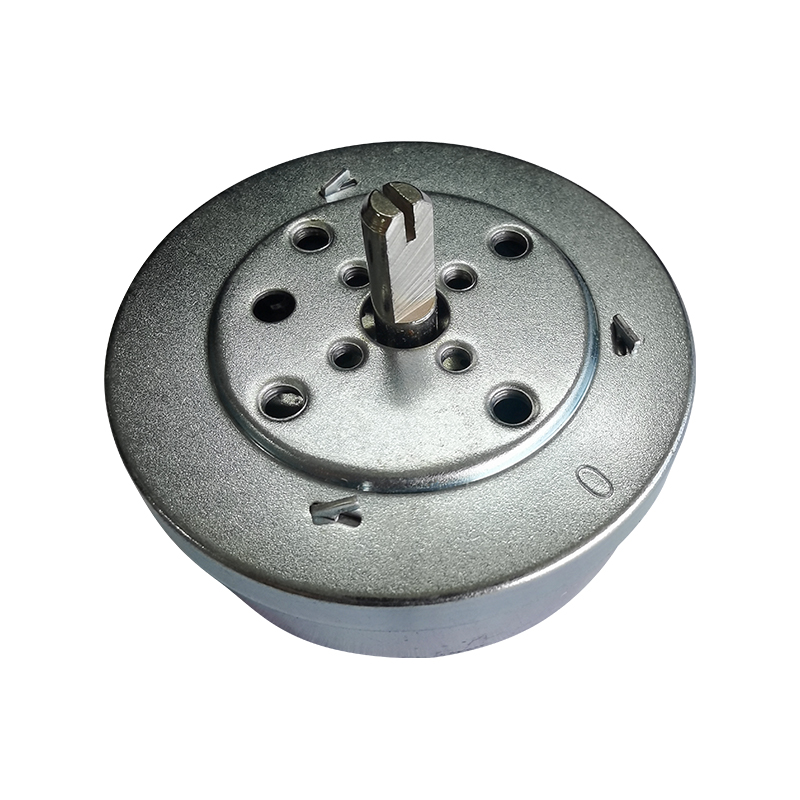
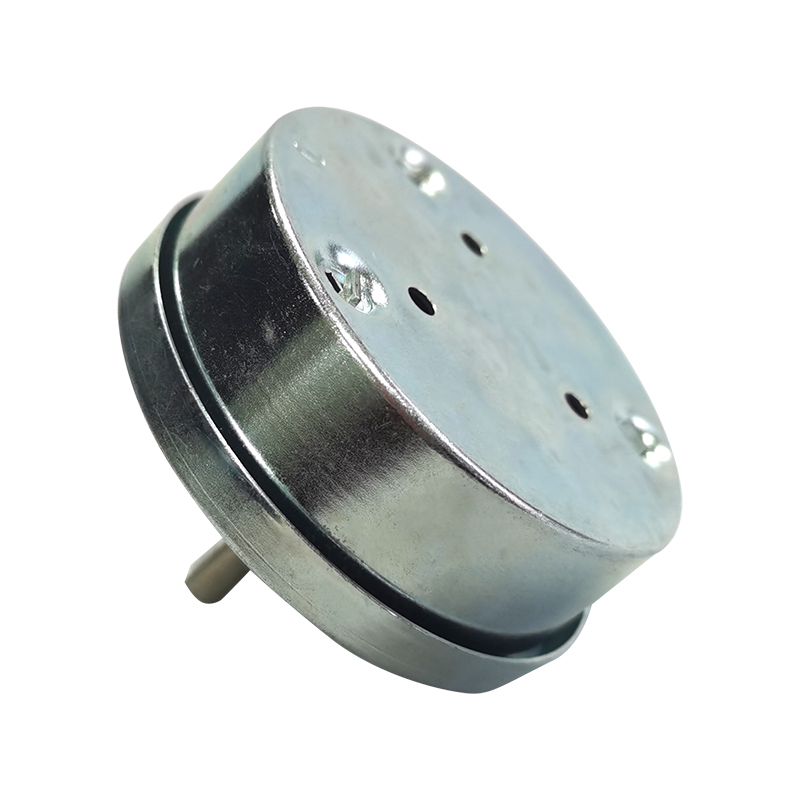
What Are Mechanical Timers Used For, and Why Do They Still Matter
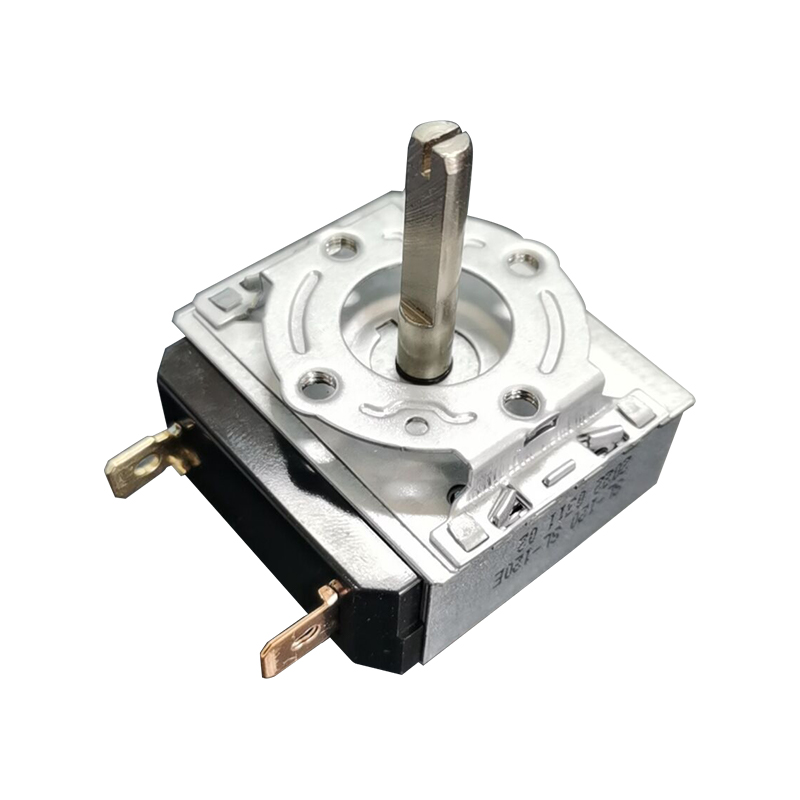
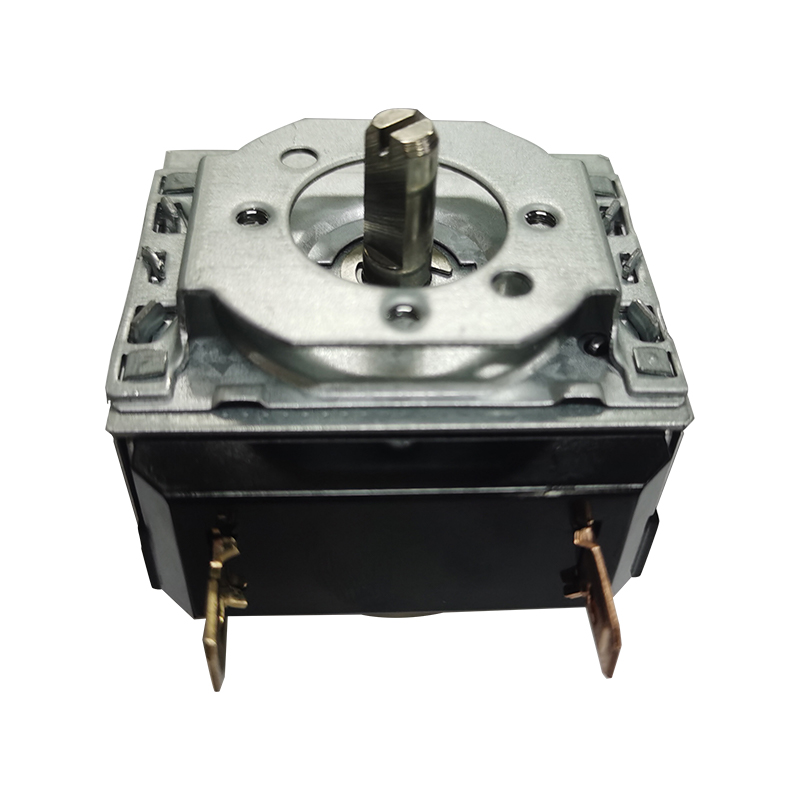
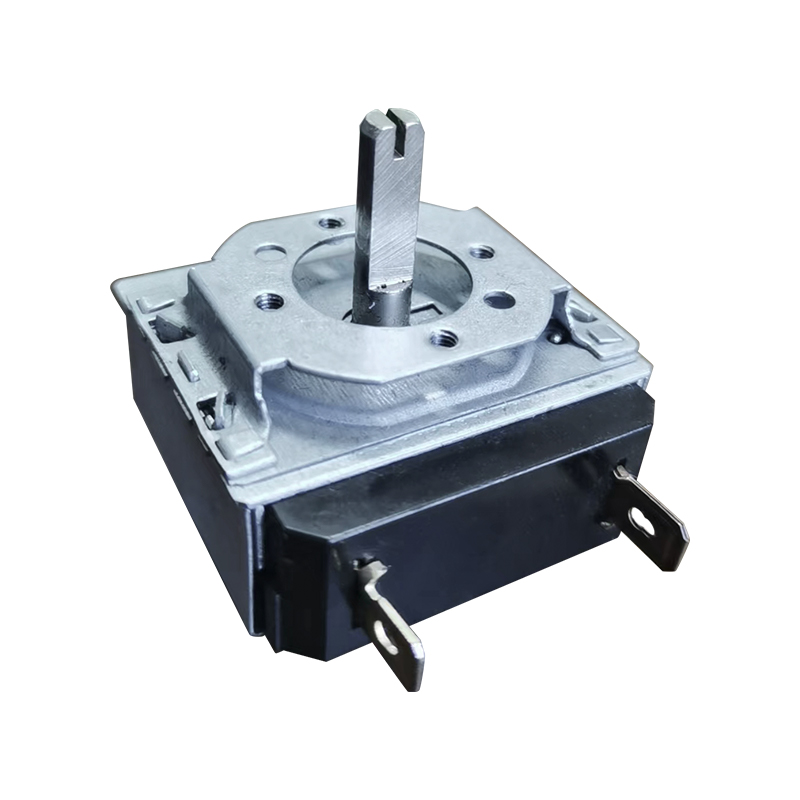
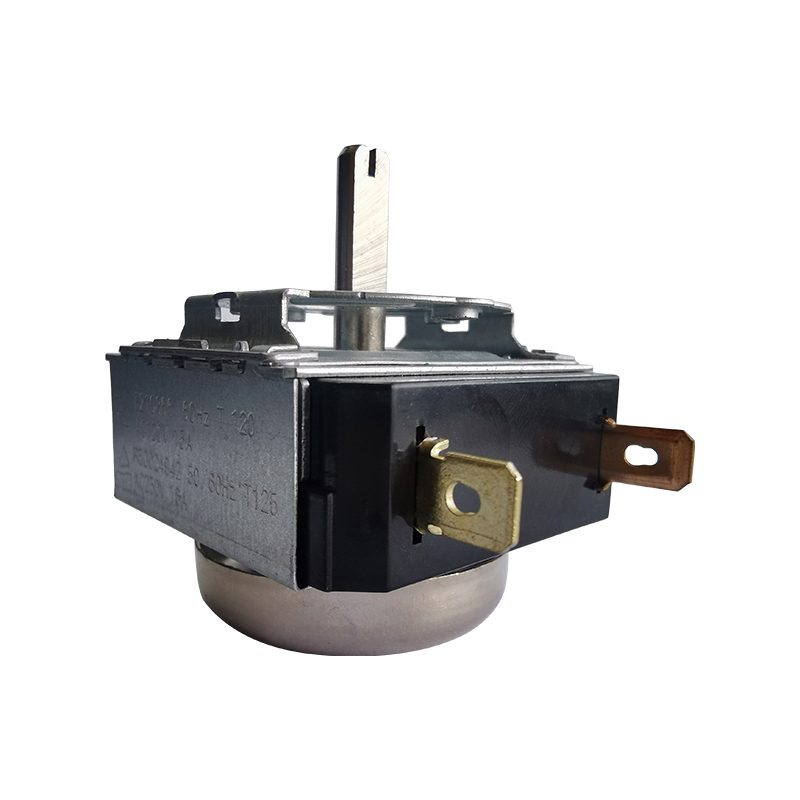
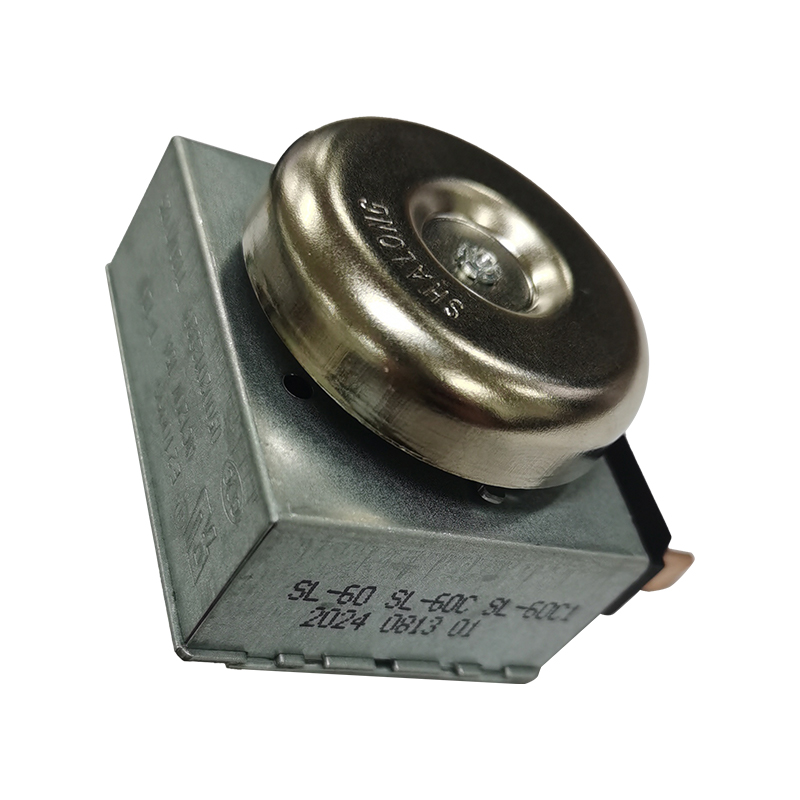
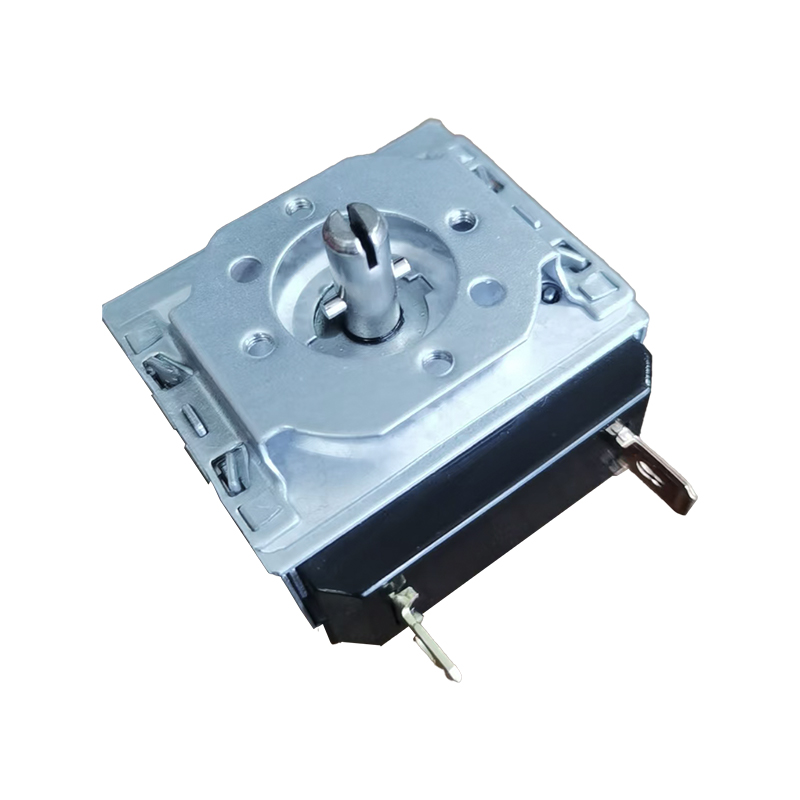
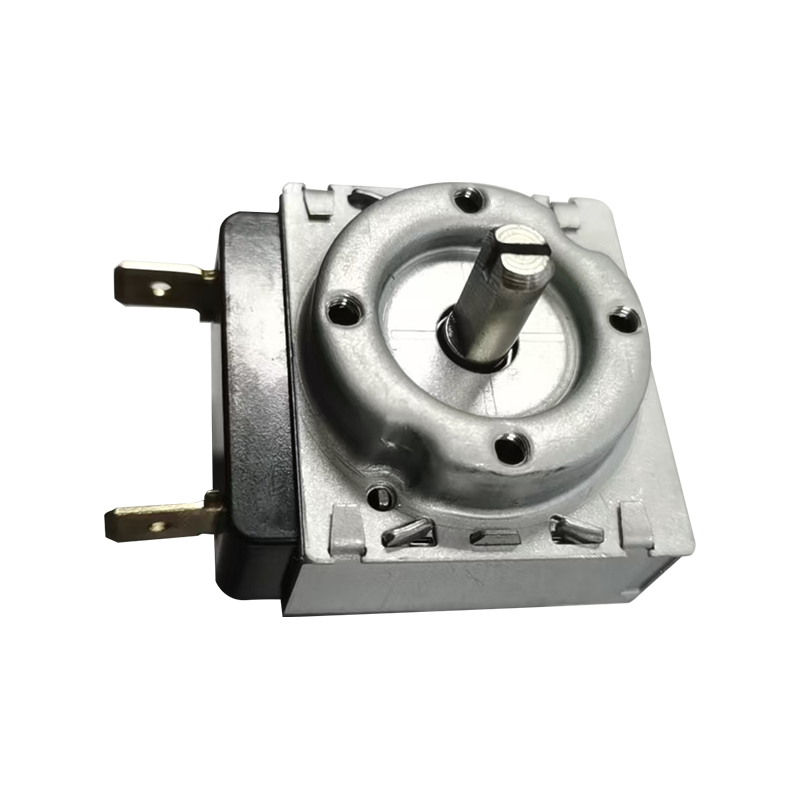
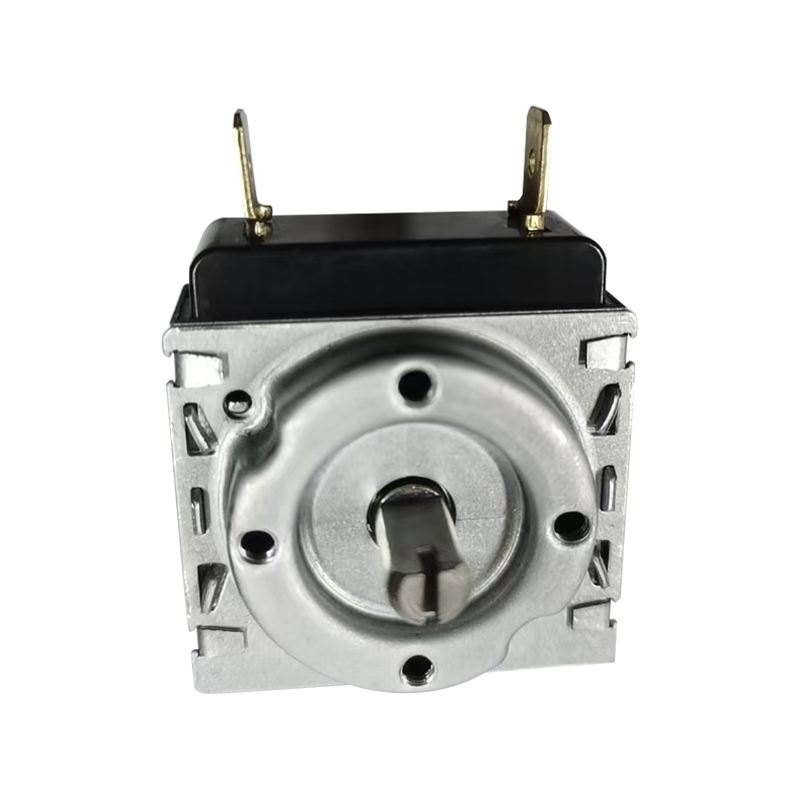
Mechanical timers are still widely selected for household appliances and small electrical devices because they offer a purely mechanical control cycle that does not depend on a printed circuit board to function. For appliance brands and OEM manufacturer partners, this means fewer electronic failure points, lower sensitivity to voltage fluctuation, and a control component that can be engineered for long duty cycles. A qualified China manufacturer of mechanical timers typically designs these parts around a gear train, a cam mechanism, and a switching contact set, all housed in a heat-resistant plastic or metal shell. This structure allows the timer to be used in ovens, washing machines, rice cookers, air fryers, and other high-temperature-resistant applications where digital control boards may need additional shielding.
Throughout this article, the term timers refers specifically to electromechanical and mechanical timing components used inside household appliances and small electrical equipment, not software-based countdown apps. The content below covers common timer types, internal structure, selection criteria for engineers and purchasing teams, a detailed comparison between mechanical and electronic timing solutions, maintenance guidance, and a practical FAQ section for procurement teams evaluating a timer factory, timer supplier, or wholesale timer exporter.
Key takeaway: mechanical timers remain a practical, cost-stable, and durable control option for appliance manufacturers, particularly where high-temperature resistance and long-term reliability are priorities.
Common Types of Mechanical Timers and Their Characteristics
Buyers sourcing from a timer manufacturer or timer wholesaler generally encounter a handful of recurring timer categories, each suited to a different appliance category and duty cycle. Understanding these categories helps purchasing teams communicate specifications clearly to an OEM factory or ODM factory and avoid mismatched components. Below is a general overview of the most common types found across household appliance production lines.
Rotary mechanical timers: operated by turning a dial to a set duration; commonly used in microwave ovens, washing machines, and kitchen appliances.
Spring-wound timers: rely on a wound spring to drive the gear train; suitable for simple countdown functions in smaller appliances.
Synchronous motor timers: driven by a small AC synchronous motor for more consistent long-duration timing, often used in ovens and dishwashers.
Cam-programmed timers: use a stack of cams to sequence multiple switching stages, common in washing machine cycle control.
High-temperature-resistant metal timers: built with metal internal components and heat-tolerant housings for use in ovens, grills, and other high-heat appliances.
General characteristics of common mechanical timer types used by appliance manufacturers.
Timer Type
Typical Appliance
Notable Trait
Rotary mechanical
Microwave, washing machine
Simple manual dial control
Spring-wound
Small kitchen appliances
No electrical supply needed to run down
Synchronous motor
Oven, dishwasher
Stable long-duration accuracy
Cam-programmed
Washing machine
Multi-stage cycle sequencing
High-temperature metal
Oven, grill
Heat-tolerant internal parts
Key takeaway: matching timer type to appliance duty cycle and heat exposure is the single most important early selection step for any purchasing team.
Working Principle and Internal Structure of a Mechanical Timer
A mechanical timer converts a mechanical or electrical input into a controlled, repeatable time delay through a gear train and switching mechanism. In most designs, a small synchronous motor or wound spring drives a series of reduction gears, which in turn rotate a cam or dial at a fixed, predictable speed. As the cam rotates, its profile lifts or releases a contact lever, opening or closing an electrical circuit at pre-set intervals. This is why precision gear-cutting equipment, such as small modulus hobbing machines, plays such an important role in manufacturing consistency for any serious timer factory.
Core Components
The schematic below illustrates the general internal layout common to rotary and cam-programmed mechanical timers. It is a simplified structural reference rather than a specific product drawing, intended to help engineers and buyers understand how the gear train, cam stack, and contact set relate to one another inside the housing.
In practice, the drive gear or small motor sets a constant rotational speed, the reduction gear set steps that speed down to the slower rate needed for household timing ranges, the cam stack encodes the desired on and off pattern, and the switch contacts translate cam movement into an electrical signal sent to the appliance circuit. Reliable, repeatable timing depends heavily on gear tolerance and contact material quality, which is why a professional China supplier of timers typically invests in dedicated stamping molds and inspection equipment rather than relying solely on generic parts.
Application Scenarios and Key Selection Criteria
Choosing the right timer depends heavily on the appliance category, expected duty cycle, and ambient temperature the component will face in service. A washing machine timer, for example, must tolerate humidity and vibration, while an oven timer must remain functional under sustained high-temperature exposure. Procurement teams working with an OEM manufacturer or ODM manufacturer should evaluate several practical factors before finalizing a specification, since a mismatch between timer rating and appliance environment is one of the most common causes of premature component failure.
Application Environment Factors
Operating temperature range near the heating element
Exposure to moisture, steam, or detergent residue
Vibration levels during normal appliance use
Expected number of switching cycles over product lifetime
Technical Selection Factors
Required timing range and adjustment increments
Contact current and voltage rating for the load
Mounting dimensions and shaft or knob compatibility
Compliance with the appliance's overall safety design
Illustrative Distribution of Timer Use Across Appliance Categories
To help visualize where mechanical timers are most commonly applied, the chart below presents a general, illustrative distribution across common household appliance categories. This is not drawn from a single named market report but reflects widely observed patterns in appliance component sourcing. It is intended to give purchasing teams a general sense of relative demand rather than precise market share figures. The chart uses a horizontal bar format so each appliance category can be compared at a glance. Values shown represent relative usage intensity on a qualitative scale, not unit sales figures.
Washing machines and high-temperature-resistant oven applications tend to show the strongest and most consistent demand for mechanical and metal timers, largely because these categories require durable, moisture- or heat-tolerant switching components that can operate reliably over thousands of cycles. Rice cookers and microwave ovens sit in a middle position, often using either mechanical or hybrid electromechanical timing depending on the target market and appliance tier. Smaller kitchen appliances and air fryers show comparatively lower reliance on mechanical timers, since many of these categories have shifted toward digital control panels in mid-range and premium product lines. Even so, mechanical timers remain a relevant, cost-stable option in these categories for entry-level and value-tier products, particularly in markets where simplicity and durable, adjustable manual control are valued by end users. This pattern also reflects why many appliance manufacturers maintain dual sourcing strategies, keeping both mechanical and electronic timer options qualified for different product tiers. For a timer manufacturer or exporter, understanding this distribution helps prioritize tooling investment and inventory planning across appliance segments. Overall, the chart underscores that the appliance category and its heat or moisture exposure remain the dominant factors driving mechanical timer selection, more so than appliance size or price tier alone.
Detailed Comparison: Mechanical Timers vs Electronic Timers
Appliance engineers frequently need to decide between a mechanical timer and an electronic or digital timer during the design stage, and the right choice depends on the balance between durability, cost stability, and control precision that the product requires. Mechanical timers generally offer strong resistance to electrical noise and temperature extremes, while electronic timers offer finer timing precision and easier integration with multi-function control panels. Neither option is universally superior; the decision is context-dependent and tied closely to appliance category, target market, and expected service life.
General comparison of common characteristics between mechanical and electronic timer solutions.
Characteristic
Mechanical Timer
Electronic Timer
Heat resistance
Generally strong
Requires additional shielding
Timing precision
Moderate
Generally higher
Electrical noise tolerance
Generally strong
Sensitive without protection circuitry
Multi-function integration
Limited
Generally flexible
Mechanical durability under vibration
Generally strong
Depends on board mounting design
Multi-Dimensional Comparison Chart
To make this comparison easier to absorb visually, the radar chart below plots mechanical timers against electronic timers across five commonly referenced engineering dimensions. Each axis represents a general qualitative rating rather than a laboratory-measured value, since actual performance varies by specific design and manufacturer. The purpose of this chart is to give engineers and sourcing teams a quick visual reference point for early-stage decision-making. Readers should treat the shapes as directional guidance rather than certified test results. The five dimensions selected reflect factors most frequently discussed in appliance component engineering.
The chart shows mechanical timers extending further along the heat resistance, noise tolerance, durability, and simplicity axes, which aligns with why they remain common in high-temperature-resistant appliances such as ovens and grills. Electronic timers, by contrast, extend further along the precision axis, reflecting their advantage in fine-grained timing control and programmable multi-stage functions. Neither shape fully encloses the other, which visually reinforces that the choice between the two is a trade-off rather than a simple upgrade path. For appliances operating in harsh thermal or electrically noisy environments, the mechanical timer's shape suggests a more resilient fit. For appliances that prioritize multi-function programmability and fine timing steps, the electronic timer's shape suggests a better match. Many mid-range and premium appliance lines resolve this trade-off by using electronic timers with additional thermal shielding, while economy and heavy-duty lines continue to favor mechanical or metal timers for their straightforward reliability. This is also why a professional OEM supplier or ODM supplier often maintains both mechanical and electronic timer production lines rather than committing to a single technology. From a maintenance standpoint, the simplicity advantage of mechanical timers can also translate into easier field diagnosis, since a technician can often visually inspect the cam and gear train without specialized diagnostic tools. Overall, the radar comparison supports a segmented sourcing approach rather than a one-size-fits-all recommendation across all appliance categories.
Relative Performance Attributes Across Timer Types
Beyond the mechanical-versus-electronic comparison, it is also useful to compare performance attributes within the mechanical timer family itself, since rotary, spring-wound, synchronous motor, and high-temperature metal timers each have distinct strengths. The column chart below presents a general, illustrative scoring of four key attributes across these four common types. Scores are shown on a simple qualitative scale from low to high and are meant to support early conversations between engineering teams and a timer supplier, not to replace formal qualification testing. This visualization complements the earlier table by focusing specifically on comparative strength rather than typical application. Reviewing this alongside appliance-specific requirements can help narrow a shortlist of viable timer types before requesting samples from a manufacturer.
Synchronous motor timers generally show the strongest combined profile across durability, timing accuracy, and load capacity, which explains their popularity in appliances such as ovens and dishwashers that require stable, repeatable long-duration cycles. Rotary mechanical timers show a balanced profile with a particular strength in cost efficiency, making them a practical choice for value-tier appliances where a simple, adjustable, and durable dial control is sufficient. Spring-wound timers tend to score lower on load capacity, since their drive mechanism is best suited to lighter switching duties rather than heavy compressor or motor loads. Across all three types shown, cost efficiency and durability tend to move in opposite directions, reflecting the classic engineering trade-off between component simplicity and long-term robustness. This pattern is consistent with general observations from appliance component engineering discussions, where synchronous motor designs are frequently favored for mid-to-high duty cycle applications. For a purchasing team evaluating a China factory or China producer, this chart can serve as a starting checklist for follow-up technical questions, such as asking for cycle-life test data specific to the shortlisted timer type. It is also worth noting that actual performance depends heavily on manufacturing quality, gear tolerance, and contact material, so two timers of the same type from different suppliers may still perform differently in practice. This reinforces the importance of working with an experienced, quality-focused manufacturer rather than selecting a timer type based on category alone.
Maintenance Guidance for Mechanical Timers
Proper maintenance can meaningfully extend the service life of a mechanical timer, particularly in appliances that see frequent daily use such as washing machines and ovens. Because these components rely on physical gear and cam movement, dust accumulation, lubricant degradation, and contact wear are the most common causes of reduced performance over time. The following general guidance applies broadly across rotary, spring-wound, synchronous, and metal timer types, though specific maintenance intervals should always follow the appliance manufacturer's own documentation.
Keep the timer housing free of dust and moisture buildup, particularly in humid or steam-exposed appliances.
Avoid forcing the dial or knob past its mechanical stop point, which can damage the internal cam stack.
Periodically inspect switch contacts for pitting or discoloration, which may indicate wear from repeated high-load switching.
Ensure mounting screws remain properly tightened, since excess vibration can accelerate gear wear over time.
Replace the timer promptly if timing intervals become noticeably inconsistent, rather than continuing to operate a degraded unit.
Appliance brands sourcing from a reliable OEM manufacturer often find that consistent gear tolerance and contact material quality from the original production run has a greater long-term impact on field reliability than end-user maintenance habits alone. This is one of the reasons experienced buyers place a strong emphasis on supplier quality control processes, including in-house testing equipment and stamping mold precision, when qualifying a new China supplier for timer components.
Companies with decades of focused experience in this field, such as JIANGSU SHALONG MECHANICAL & ELECTRICAL TECHNOLOGY CO., LTD., illustrate how sustained investment in precision equipment can support consistent product quality. Founded in 1991 and based in Jingjiang Economic and Technological Park along the Yangtze River, the company has spent more than three decades specializing in high-temperature-resistant metal mechanical timers and related household appliance circuit board products, and has participated as a drafting unit for relevant industry standards. With a registered capital of 28 million yuan, over 40,000 square meters of self-built manufacturing space, more than 1,000 sets of R&D, production, and inspection equipment, and a technical team of over 80 engineers among more than 800 employees, the company independently develops key production tools such as small modulus hobbing machines, automated processing equipment, and high-speed continuous stamping molds, several of which are covered by technical patents. This kind of vertically integrated capability, from tooling design to finished timer production, is a practical example of the manufacturing depth that supports long-term component reliability discussed throughout this article. The company's long-standing cooperation with several well-known household appliance brands, alongside export relationships with markets including South Korea, Turkey, Brazil, Saudi Arabia, and Egypt, reflects the kind of track record that many purchasing teams look for when qualifying a timer manufacturer, exporter, or wholesale supplier for new appliance programs.
Frequently Asked Questions
Q1: What is the main advantage of a mechanical timer over an electronic timer?
The main advantage is generally durability under harsh conditions, including high temperature, humidity, and electrical noise, which makes mechanical timers a practical choice for appliances such as ovens and washing machines.
Q2: How long does a mechanical timer typically last?
Service life depends on build quality, cycle frequency, and load conditions, so it varies by product and manufacturer; a professional timer factory can usually provide cycle-life test information upon request.
Q3: Can mechanical timers be customized for OEM or ODM appliance projects?
Yes, many timer manufacturers support OEM manufacturer and ODM manufacturer programs, adjusting mounting dimensions, timing range, contact rating, and housing design to match a specific appliance platform.
Q4: Are mechanical timers still relevant for modern appliance designs?
Yes, they remain relevant particularly for high-temperature-resistant, high-vibration, or cost-stable product tiers, and many appliance manufacturers continue to qualify both mechanical and electronic timer options across their product lines.
Q5: What should I ask a potential timer supplier before placing an order?
It is reasonable to ask about in-house tooling capability, inspection equipment, typical cycle-life data, export experience, and whether the supplier can support OEM or ODM customization for your specific appliance requirements.
Time setting: 15', 20', 30', 60' or customized (such as 90 min)Applicable: Oven/Electric Pressure Cooker/Kitchen MachineContact capacity: AC 120V 15A;...
Time setting: 15', 20', 30', 60' or customized (such as 90 min)Applicable: Oven/Electric Pressure Cooker/Kitchen MachineContact capacity: AC 120V 15A;...



 English
 中文简体
中文简体