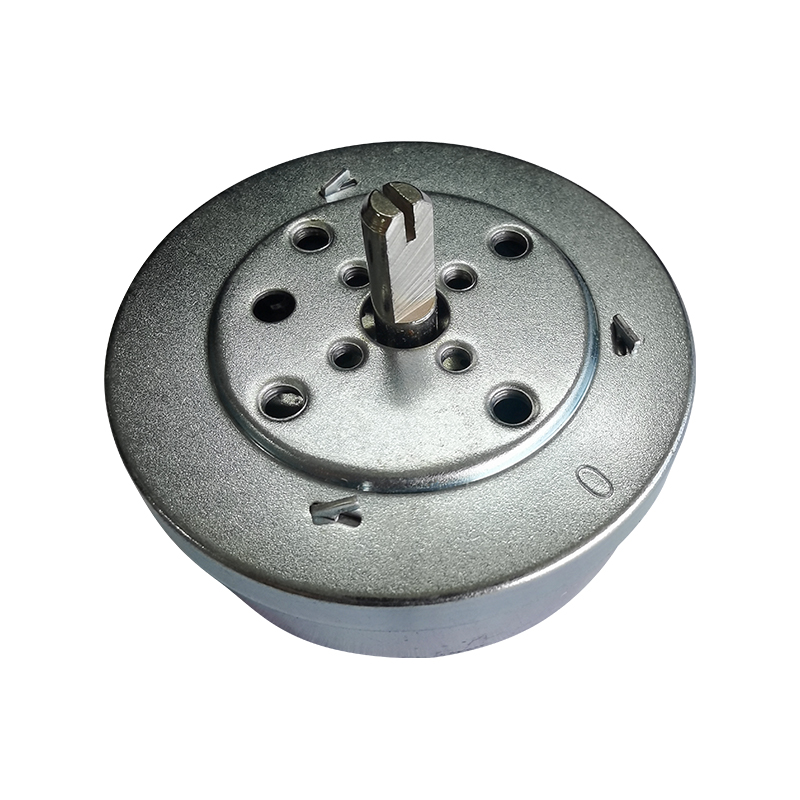
Why Mechanical Timers Remain a First Choice for Appliance Manufacturers
When an engineering team begins designing a 60-minute conventional oven, one of the first control decisions is how to manage the countdown. The timing component has to survive high temperatures near the cavity, stay accurate over tens of thousands of operating cycles, pass safety certification, and remain inexpensive enough for high-volume production. For most oven, air fryer, electric steamer and pressure cooker manufacturers, the answer is not a complex electronic module but a mechanical timer.
What exactly counts as a mechanical timer
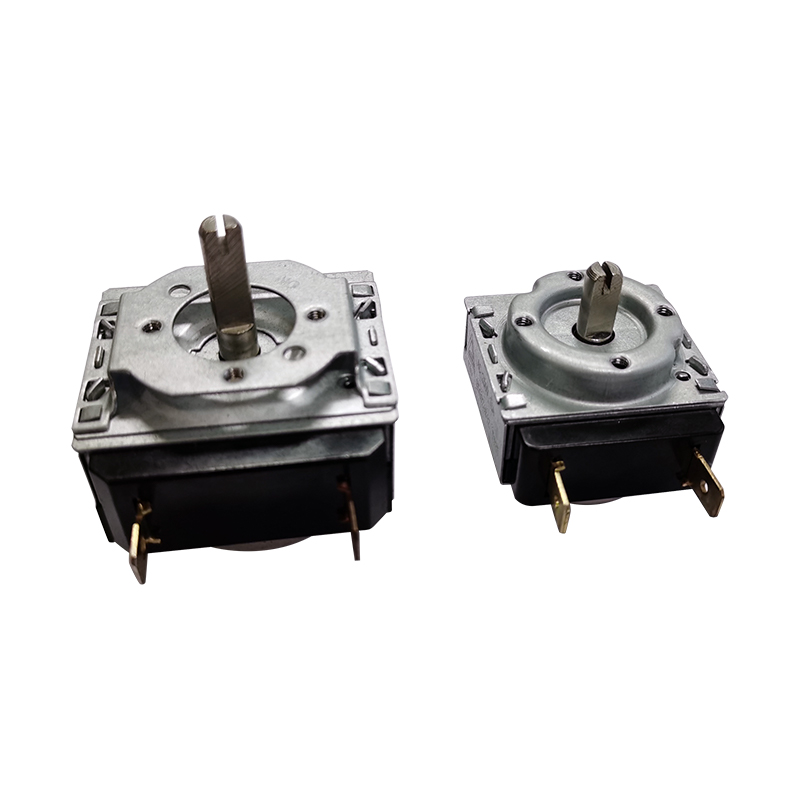
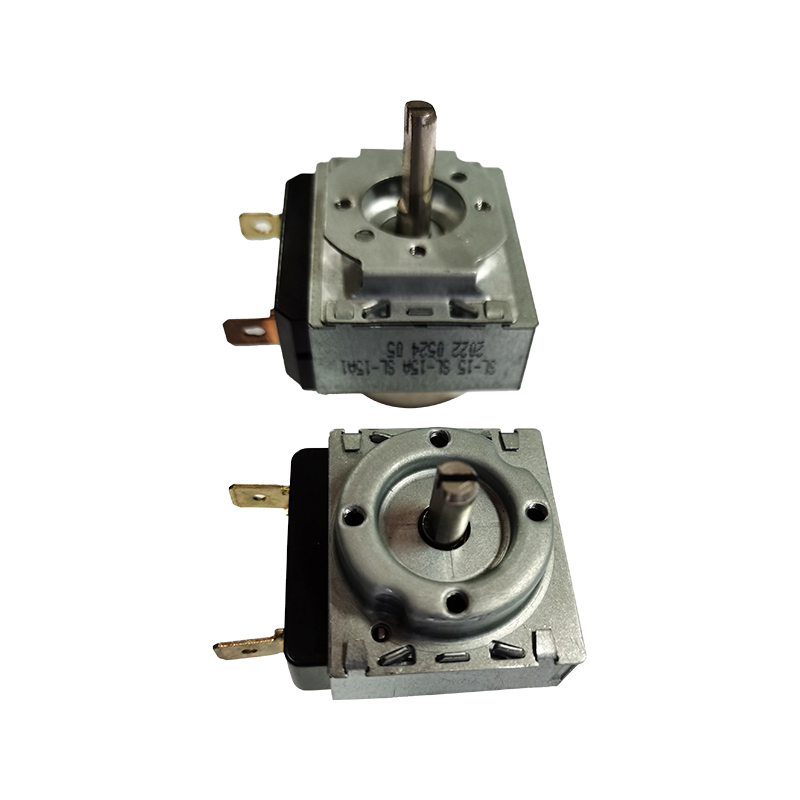
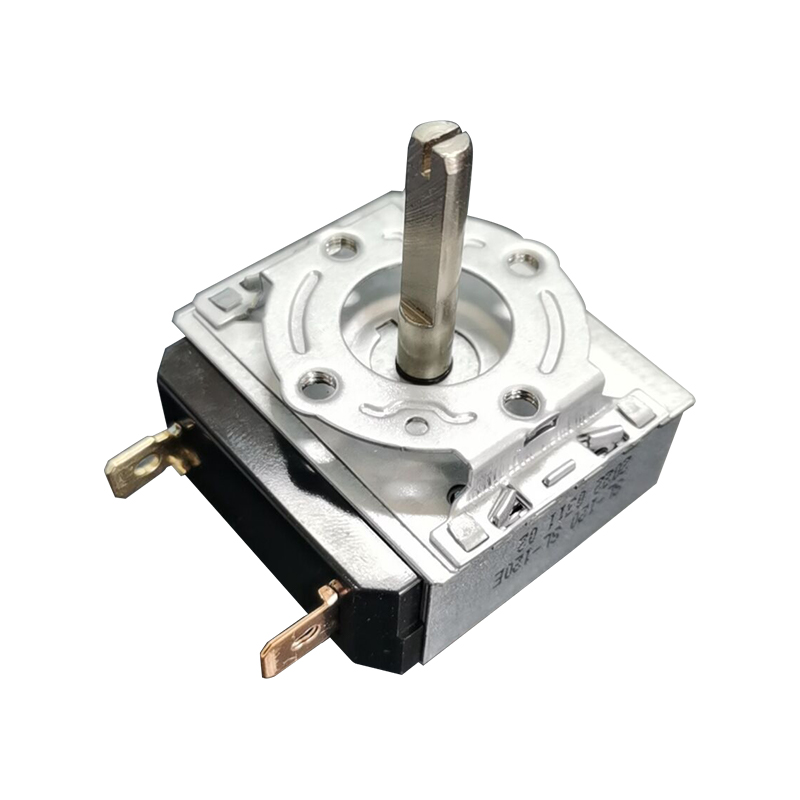
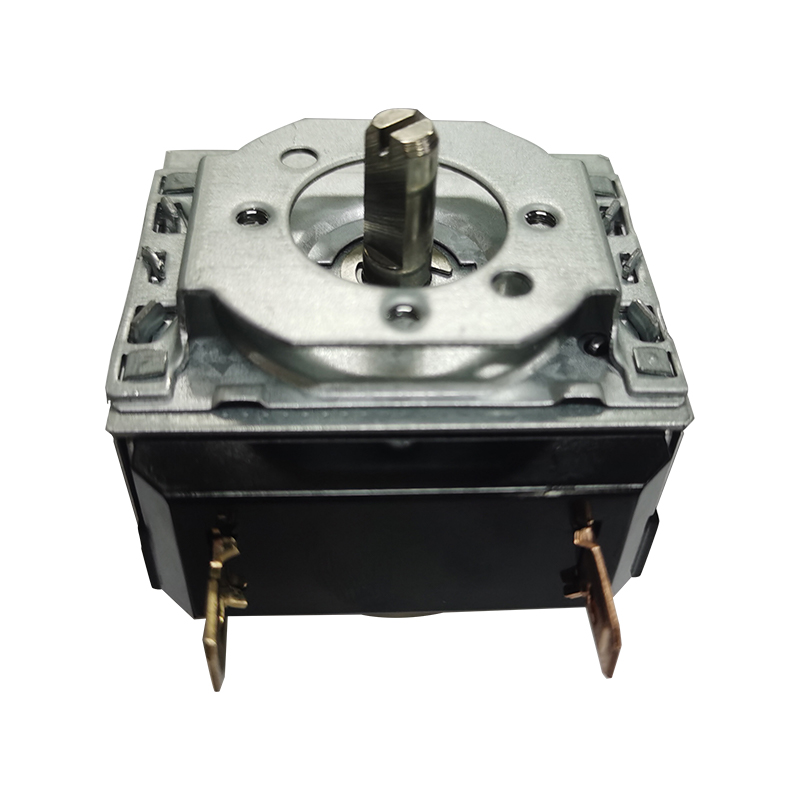
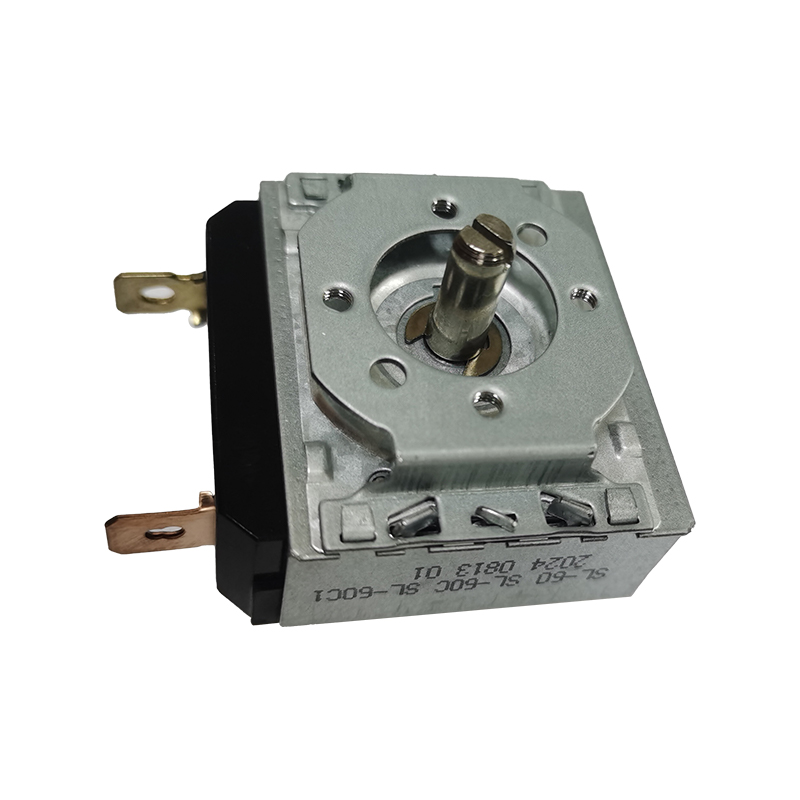
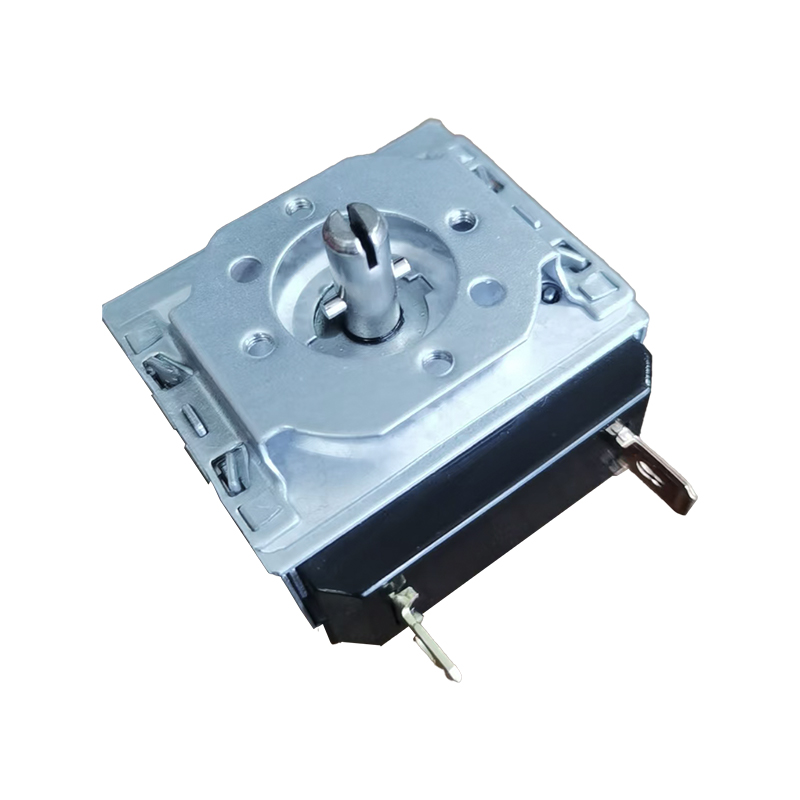
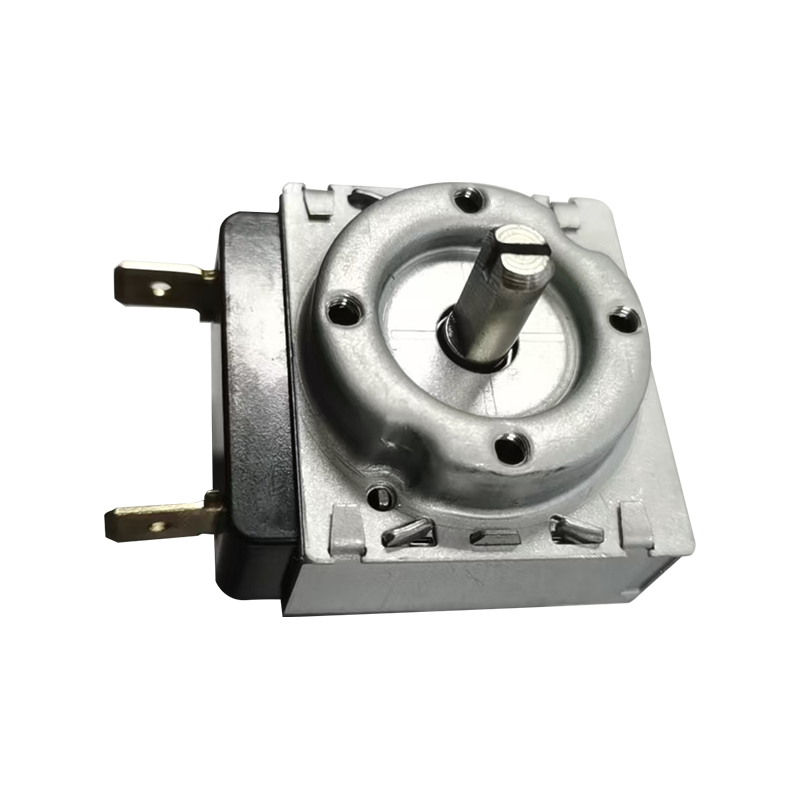
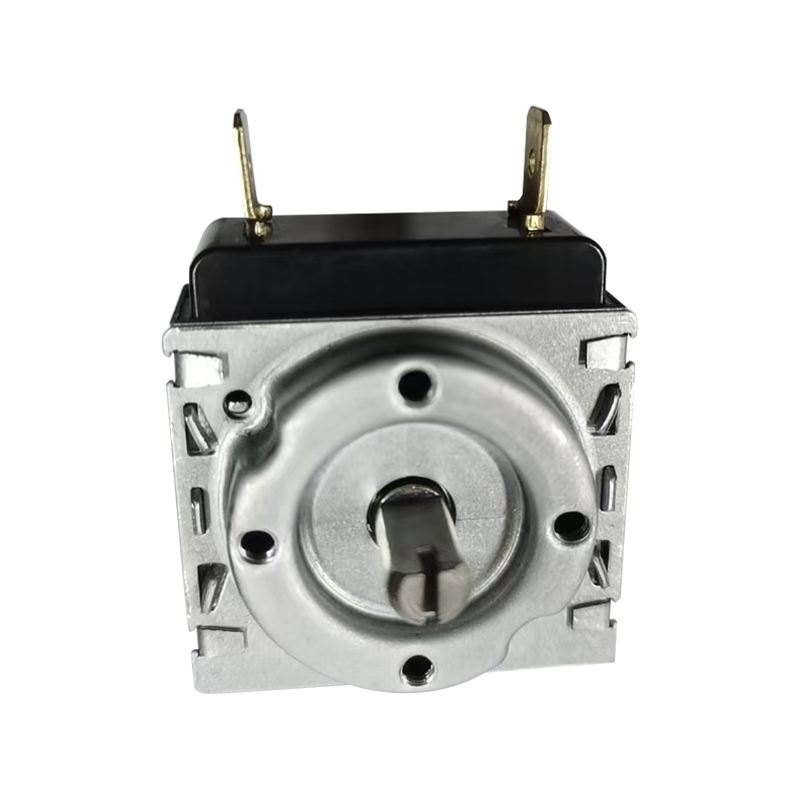
A mechanical timer is a self-contained timing device that uses a spring or a small synchronous motor to drive a gear train. When the user rotates the knob to set the time, the mechanism stores energy or starts the motor, and a set of cams and contacts switches the appliance circuit when the countdown reaches zero. It performs this function without firmware, display panels or standby power, which is exactly why it remains attractive to engineering and procurement teams in the kitchen appliance industry.
The decision to use a mechanical timer is usually driven by five practical benefits.
Cost control: a mechanical timer contains no processor, display or power supply, so the unit cost stays low even at very large order volumes.
Environmental tolerance: well-built metal mechanical timers operate reliably in high-temperature kitchen environments where electronics require extra shielding and cooling.
Predictable reliability: fewer electronic components mean fewer failure modes, and the switching action is direct and repeatable.
Electromagnetic immunity: mechanical contacts are not disturbed by nearby motors, heating elements or wireless signals.
Easy diagnosis: any service technician can verify a mechanical timer with a simple multimeter, without touching software.
These advantages explain why household appliance manufacturers across China and export markets continue to source mechanical timers in large volumes for ovens, air fryers, deep fryers, disinfection cabinets and similar products. A mechanical timer is not an outdated component; it is a proven production part with decades of field data and well-established supply chains behind it.
Key conclusion: mechanical timers remain the most economical and fail-safe timing solution for high-volume kitchen appliances.
How a Mechanical Timer Works: Structure and Timing Principle
Before selecting a mechanical timer, it is useful to understand its basic anatomy. Although models differ in shape, size and function, the working principle is consistent across the industry and across most timing ranges.
Core components and their roles
Main components of a typical metal mechanical timer and the design considerations behind each part
Component
Function
Design consideration
Mainspring or synchronous motor
Supplies the driving force for the timing cycle
Spring drive is common in low-cost appliances; motor drive requires a power connection during timing
Gear train with small-modulus gears
Reduces high-speed input to a slow, controlled rotation
Gear tooth profile, material and surface finish determine timing consistency
Cam and contact assembly
Opens or closes the electrical circuit at the end of the countdown
Contact gap and material must handle the rated current and repeated switching
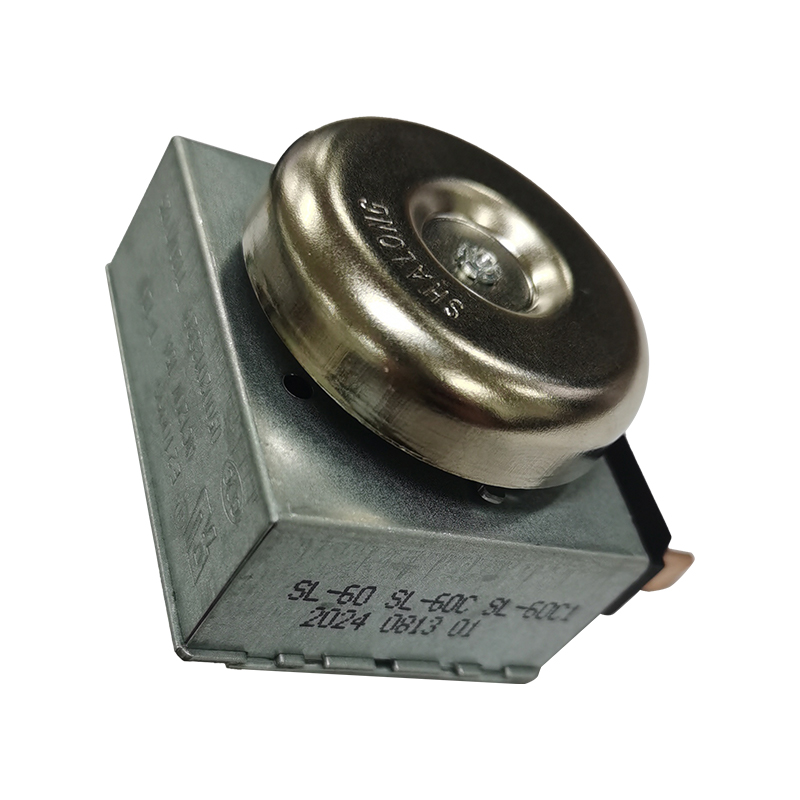
Bell or buzzer mechanism
Produces an audible signal when timing ends
Striker spring tension affects sound level and long-term durability
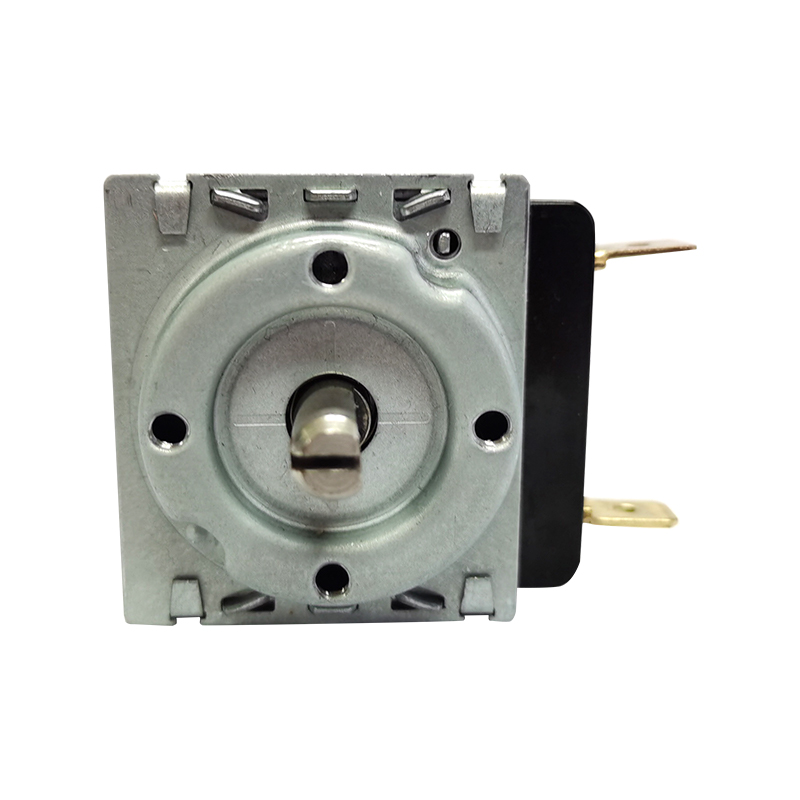
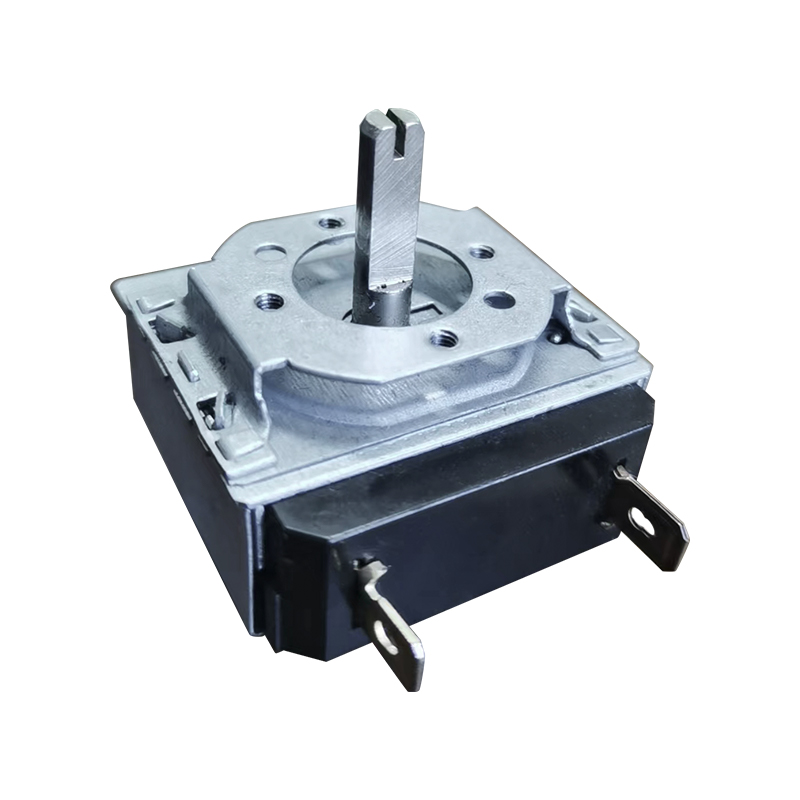
Retaining disc and mounting plate
Holds the movement in the appliance control panel
Mounting hole pattern and shaft length must match the appliance design
The self-stepping mechanism
The accuracy of a mechanical timer is largely defined by its self-stepping mechanism, which releases the gear train in controlled increments instead of allowing it to rotate freely. This stepping action keeps the timing curve stable even when the force of the mainspring changes as it unwinds.
In practice, the quality of the gear train matters more than any other single factor. A timer manufacturer that designs and machines its own small-modulus gears, and builds its own high-speed progressive stamping dies, usually achieves much better batch-to-batch consistency than a workshop that simply buys standard movements and reassembles them.
Key conclusion: timing accuracy is decided by gear geometry and contact design, not by software or digital calibration.
Main Types of Mechanical Timers and Their Characteristics
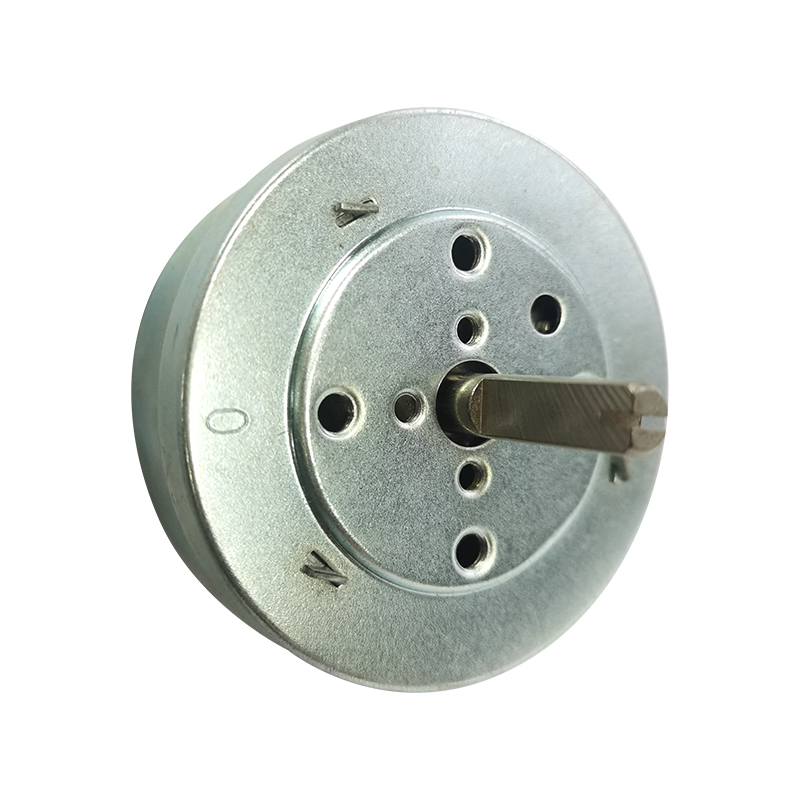
Mechanical timers are not a single product but a family of variations. Most manufacturers organize them by size, precision and target application. In a typical catalog, timers fall into three broad series: regular mechanical timers, small-size precision timers and circular timers for ovens.
Understanding the three main series
Regular mechanical timers
Full-size movements with timing
ranges from 15 minutes to 180
minutes, available with or without
a bell. Commonly used in air
fryers, ovens, deep fryers,
pressure cookers and electric
steamers.
Small-size precision timers
Compact movements for
space-constrained panels.
Typical ranges run from 15
minutes to 190 minutes and
suit egg cookers, small air fryers
and control panels where depth
is limited.
Circular oven timers
Round form-factor timers built to
withstand high cavity
temperatures. Common ranges
are 60 minutes to 160 minutes,
often with a long ring signal for
kitchen use.
Functional variations to consider
Within each series, specifications are varied in four ways: timing range, bell presence, high-temperature capability and certification. The table below summarizes the most common mechanical timer variants and their typical applications.
Common mechanical timer variants by timing range, bell option and target appliance
Variant
Timing range
Bell option
Typical applications
Oven mechanical timer
60 / 90 / 160 min
Optional
Free-standing ovens, built-in ovens
Air fryer mechanical timer
30 / 60 min
Optional
Air fryers, countertop fryers
Electric steamer timer
180 min
Yes
Electric steamers, food steamers
Electric pressure cooker timer
100 / 120 min
Optional
Electric pressure cookers
Egg cooker timer
15 min
No
Egg cookers, egg steamers
Disinfection cabinet timer
30 / 60 min
Optional
Disinfection cabinets, sterilizers
Medical device timer
5 / 15 min
Optional
Medical equipment with CE and UL requirements
High-temperature timer
160 / 180 min
Optional
Ovens, deep fryers, baiting machines
The diversity within a single supplier is worth studying. The same base movement can be fitted with different bells, cams, knobs and mounting brackets to serve different appliances. Buyers can often find an existing specification that matches their needs instead of paying for a completely new design.
Key conclusion: the right type of mechanical timer is determined by mounting dimensions, output contacts, bell requirements and the certified timing range.
Application Scenarios and How to Select the Right Timer
The mechanical timer is one of the few components that appears in nearly every category of cooking appliance. Understanding which products use which timer configuration helps engineers and procurement teams move quickly from requirement to sample approval.
Kitchen cooking appliances
Ovens, air fryers, electric steamers, electric pressure cookers, deep fryers and egg cookers all rely on mechanical timers for simple countdown control. For example, a 60-minute round oven mechanical timer is a practical choice for free-standing ovens that need a reliable baking countdown with a compact panel footprint. For air fryer lines, manufacturers commonly specify a UL- and CE-certified air fryer mechanical timer in the 30-60 minute range, with or without a bell. Small appliances such as egg cookers usually take a 15-minute egg cooker mechanical timer, which keeps the design compact and the bill of materials low.
Beyond cooking, mechanical timers serve disinfection cabinets, sterilizers, medical devices and even baiting machines. These applications often demand stricter certification, such as CE or UL, and a narrower timing band. The fact that one manufacturer can offer a 5-15 minute medical device timer alongside a 180-minute baiting machine timer shows how the same platform can cover very different verticals with different compliance requirements.
How broad is the typical mechanical timer product line
To give buyers a clearer sense of how mechanical timer portfolios are structured, we reviewed the standard product variants in our catalog and grouped them by target application.
The chart below shows the number of mechanical timer variants available for each application category in this product family.
This information is useful because it reveals the supply pattern of the industry: most variants are concentrated around high-volume kitchen appliances, while specialty equipment is served by smaller but carefully certified product groups.
For a manufacturer looking for a single source, this kind of structure means that most timing requirements can be met with an existing product instead of a full custom design.
For a buyer with a niche application, it also helps identify which suppliers have genuine experience in that vertical, because the product line itself reflects the company's track record.
Finally, the data shows that product variety in mechanical timers is driven by application diversity, not by random specification combinations.
Mechanical timer product variants by application category
The product line is clearly led by oven and baking applications, which account for four standard variants. This is expected, because the oven mechanical timer has become a default component in conventional and free-standing ovens around the world. General-purpose home appliance timers and manual countdown timers each have three variants, which means a buyer can almost always find a neutral product that can be adapted with a custom knob, bracket or cam without changing the core movement.
Air fryers, egg cooking appliances and disinfection or sterilization equipment each have two variants. The air fryer mechanical timer category has grown quickly in recent years, because air fryer manufacturers value its simple user interface, low cost and quiet operation. The double presence of egg cooking and disinfection products highlights how a relatively inexpensive appliance can drive steady demand for a simple countdown timer with a well-defined specification.
Single-variant categories such as electric steaming, pressure cooking, deep frying, medical devices and baiting machines are smaller, but they are strategically important. The medical device timer, for example, carries CE and UL certification and demonstrates that the same mechanical design can be produced to a higher compliance standard. For procurement teams, this breadth is a practical advantage: instead of qualifying several suppliers for different appliance lines, a single mechanical timer manufacturer can cover the full portfolio with consistent quality.
Another conclusion from the data is that timing ranges cluster around a few standard values, mainly 15, 30, 60, 90, 120, 160 and 180 minutes. The overlap between categories shows that one base movement can generate many finished products through different bells, cams and mounting hardware. This is also why a mature manufacturer can keep lead times short and sample costs low: the tooling already exists for most standard variants.
For engineering teams, the practical takeaway is to review the catalog first before requesting a custom design. In most projects, an off-the-shelf mechanical timer with modified accessories will meet the specification, and it will be available from a supplier with existing production data and valid certification, reducing both risk and development time.
Key conclusion: a broad, application-matched mechanical timer product line shortens supplier qualification and accelerates the path from first sample to mass production.
Mechanical Timers vs Electronic Timers: A Practical Comparison
Engineers and procurement managers frequently ask when a mechanical timer is still the right choice compared with an electronic timer. The answer depends on the appliance function, the cost target and the operating environment, not on fashion or general preference.
Comparison between mechanical timers and electronic timers for appliance countdown control
Comparison point
Mechanical timer
Electronic timer
Unit cost
Low, ideal for high-volume production
Higher, especially with display and control components
High-temperature resistance
Metal construction handles oven-level heat
Requires thermal management and component derating
Electromagnetic immunity
Inherent, no software to confuse
Needs shielding, filtering and careful layout
Timing accuracy
Good enough for cooking cycles
Very precise, with digital display feedback
Failure modes
Predictable and easy to diagnose
Can be affected by firmware bugs and power surges
Standby power consumption
Zero in the off state for spring-driven models
Consumes standby power in many configurations
Function complexity
Limited to countdown and switching
Supports programs, connectivity and multi-stage control
When to choose each solution
Choose a mechanical timer when the appliance needs a simple countdown, a reliable switch action and a competitive price point. This is the case for most ovens, air fryers, steamers, pressure cookers and disinfection cabinets. Choose an electronic timer when the appliance needs multi-stage programs, a digital display, temperature feedback or connectivity features that a mechanical movement cannot provide.
The hybrid control approach
The two technologies do not have to compete in every project. Many appliance brands use a mechanical timer as the primary countdown and safety device while adding a small electronic control board for other functions such as temperature regulation or pre-set menus. This hybrid approach keeps the critical timer function simple and uses electronics only where they are genuinely required.
For buyers, this comparison also affects the supply chain. A mechanical timer has fewer commodity components that can be affected by chip shortages, which is one more reason why procurement teams keep it as a strategic option for stable production planning.
Key conclusion: use a mechanical timer when the control requirement is countdown plus switching; move to electronic only when the logic becomes truly complex.
How to Choose a Mechanical Timer Manufacturer
Choosing the right mechanical timer manufacturer is as important as choosing the right timer model. A good supplier does more than deliver parts; it supports certification, sample validation and long-term quality stability across multiple product lines.
Check the manufacturer's manufacturing depth
A genuine manufacturer should be able to explain how it produces the key components, especially the small-modulus gears that determine timing accuracy. Companies that design and build their own gear hobbing machines, automated processing equipment and high-speed progressive stamping dies usually deliver more consistent products than companies that only assemble purchased movements. Ask about in-house tooling capability, the number of engineers, the size of the production facility and the age of the company.
Verify certifications for your target markets
For export business, certification coverage is often the first filter. A mechanical timer with CE and UL markings saves the appliance manufacturer from separate component testing and shortens the overall product certification cycle. Suppliers that have already shipped to markets such as Turkey, Brazil, South Korea or Saudi Arabia usually know which documentation overseas customers expect.
Technical and commercial verification points when auditing a mechanical timer manufacturer
Technical verification checklist
Rated voltage and current of the switch contacts
Timing tolerance across the specified temperature range
High-temperature endurance of the housing, spring and gear materials
Life test data, including the number of switching cycles
Protection class, terminal type and shaft dimensions
Commercial verification checklist
UL, CE, TUV or DKJ certification coverage per model
Sample policy, sample cost and sample lead time
Minimum order quantity and payment terms
Mass production lead time and delivery reliability
After-sales support and quality claims process
It is also worth checking whether the company participates in industry standard drafting. A manufacturer that works on the industry standard has a deeper understanding of test methods and compliance requirements, which reduces the risk of surprises during factory audits or market surveillance.
Once the shortlist is ready, request several samples from the same production batch, install them into real appliances, and run an accelerated life test. A reliable manufacturer will normally support this stage with technical data and honest feedback about the application. If the supplier is also willing to adjust the cam, bell, shaft or bracket for your specific panel design, that is a strong sign of a long-term partnership.
Key conclusion: select a mechanical timer manufacturer that controls its own gear production, holds the right certifications and supports sample-level validation.
Mechanical Timer Maintenance and Common Faults
Although mechanical timers are durable, proper installation and basic maintenance extend their service life even further. The most important rule is to avoid overloading the switch contacts, because the contact assembly is the component most likely to fail under excessive current.
Installation practices that protect the timer
Mount the timer without forcing the knob; align the shaft with the panel hole before tightening the retaining nut.
Keep the timer body away from direct flame or radiant heating elements where surface temperature exceeds the product rating.
Use the specified wire gauge and make sure the contact terminals are fully inserted and tightened.
Avoid condensation by sealing cable entries on steamers, sterilizers and disinfection cabinets.
Common faults and what they usually mean
If a timer stops driving the gears, the usual causes are a broken mainspring, a jammed gear train or a failed motor coil. If the appliance still works but the countdown is inaccurate, inspect the self-stepping mechanism and the condition of the gear lubrication. If the bell is weak or silent, check the striker spring and the position of the bell. Most of these conditions are explainable and repairable with standard service procedures.
In high-temperature applications, the housing material and the quality of the heat treatment of the spring matter a great deal. A timer built with a metal housing and selected high-temperature materials will hold its timing curve far better than a general-purpose plastic movement when installed near an oven cavity. This is one area where the manufacturing capability of the supplier becomes directly visible in field performance.
Key conclusion: most mechanical timer failures come from overloading, moisture or misalignment, not from normal wear of the gear train itself.
Frequently Asked Questions About Mechanical Timers
Common questions from appliance manufacturers and buyers when selecting mechanical timers
How accurate is a mechanical timer?
A well-made metal mechanical timer typically holds the set time within a few percent across its rated temperature range. This is sufficient for cooking cycles, where a small deviation is harmless compared with the overall process time.
Can a mechanical timer be customized?
Yes. Most mechanical timer manufacturers offer customization of the timing range, bell type, knob shape, shaft length and mounting brackets. The key is to start from an existing platform so that tooling costs and lead times stay reasonable.
How long does a mechanical timer last?
Under normal appliance use, a quality mechanical timer can last for many years because the spring and gears wear very slowly. The switch contacts and bell mechanism usually define the service life, which is another reason to choose a supplier with strong contact quality control.
Does a mechanical timer need electricity or batteries?
Spring-driven mechanical timers store energy from the knob during setting and need no external power for the timing function. Motor-driven timers use a small synchronous motor and do need a power connection while operating. Neither type uses a battery.
What certifications should a mechanical timer manufacturer have?
For export-oriented appliance projects, look for UL, CE, TUV or DKJ certification on the timer itself. A manufacturer that already holds these certifications for its standard range can significantly reduce the compliance work for the final appliance.
Are mechanical timers cheaper than electronic timers?
In most high-volume applications, yes. The cost difference comes from the absence of a processor, display and power supply circuit. For wholesalers and distributors, this makes mechanical timers an easy product to stock because the price point is stable and the field failure rate is low.
If you are evaluating mechanical timers for a new appliance project, start with the application and the operating environment, then move to certification and supplier capability. The right combination of a proven product platform and a dependable manufacturing partner will save time in the prototyping stage and protect your product quality during mass production.
Key conclusion: a proven mechanical timer platform combined with a reliable manufacturer reduces prototype iterations, compliance work and long-term quality risk.
Time setting: 15', 20', 30', 60' or customized (such as 90 min)Applicable: Oven/Electric Pressure Cooker/Kitchen MachineContact capacity: AC 120V 15A;...
Time setting: 15', 20', 30', 60' or customized (such as 90 min)Applicable: Oven/Electric Pressure Cooker/Kitchen MachineContact capacity: AC 120V 15A;...



 English
 中文简体
中文简体