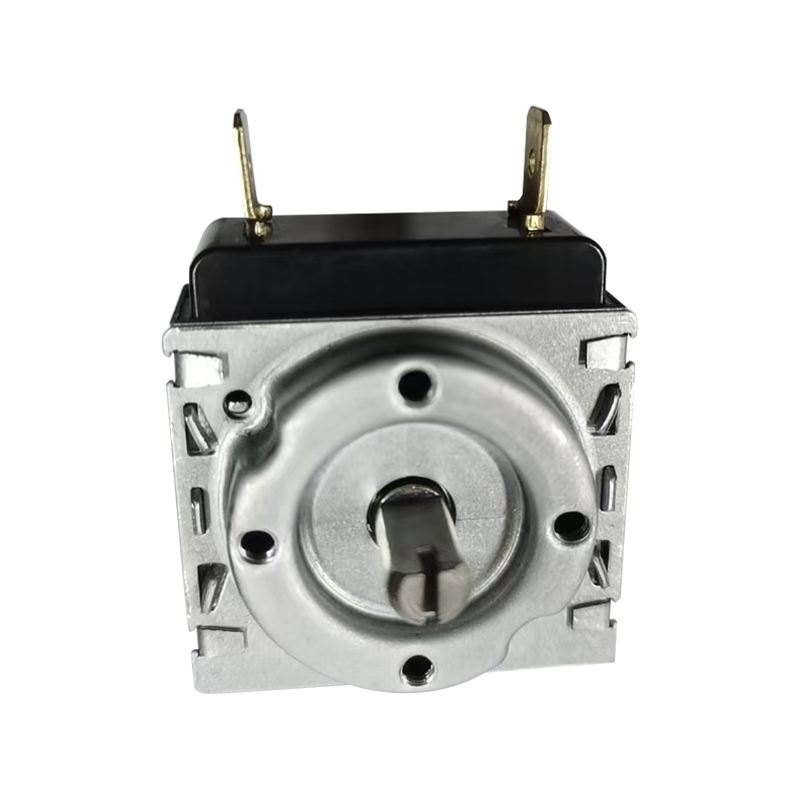
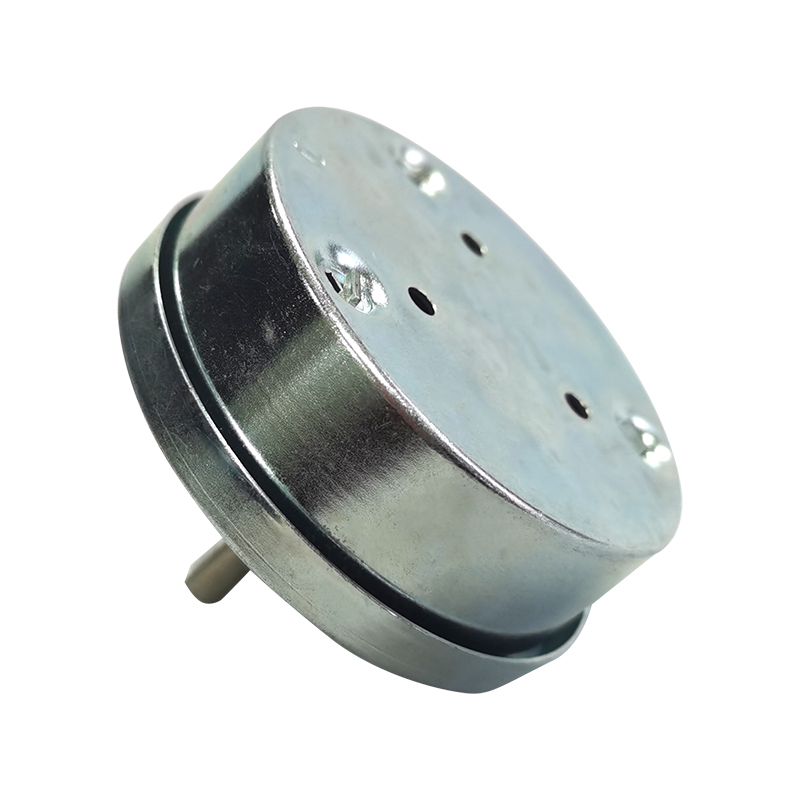
Last spring, an appliance factory in Ningbo rejected a batch of 5,000 assembled ovens because the manual kitchen timers supplied for the control panel stopped ringing seven seconds early during a thermal soak test. The heating circuit was fine, and the control board was fine. The fault was in the small mechanical component that users turn by hand every single day. That example is not unusual: when a cooking appliance fails in the field, the timer is often the first part inspectors suspect, simply because it is the only component with moving gears and a spring inside. For anyone who specifies, sources, or wholesales cooking appliances, the manual timer is therefore a quality issue, not an afterthought.
Here is the conclusion up front. A well-built manual kitchen timer from an experienced mechanical timer manufacturer, with calibrated gear trains, hardened steel shafts, and a tested bell mechanism, still outperforms many low-cost electronic modules in heat resistance, simplicity, and long-term durability. The rest of this guide explains how these timers work, how they differ from electronic controls, and exactly what to verify before you place your next bulk order.
Key message: A manual kitchen timer is a reliability-critical component, and the supplier you choose determines the failure rate you will see in warranty returns.
What Are Manual Kitchen Timers?
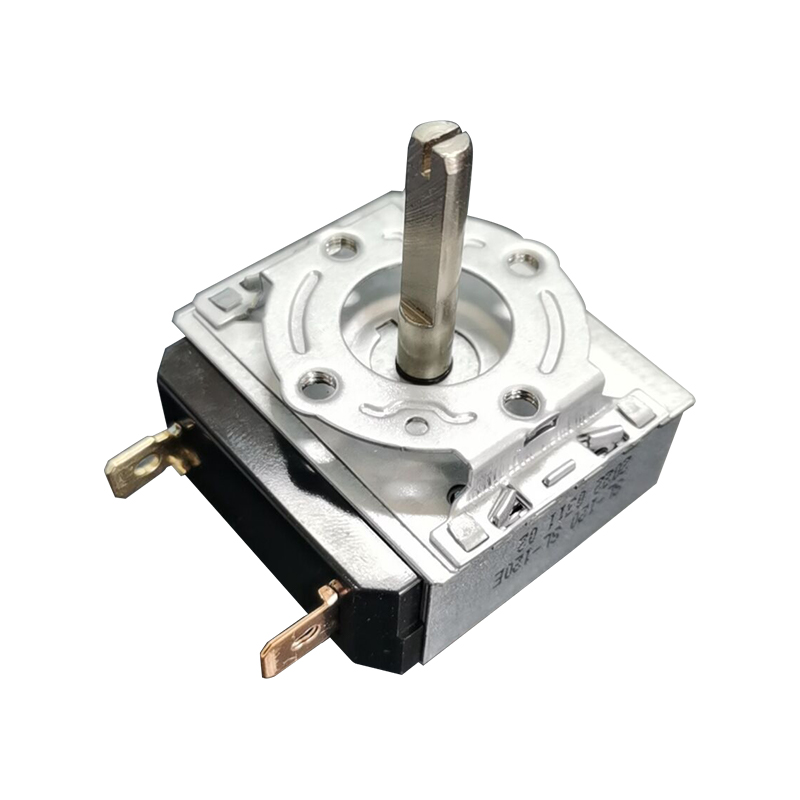
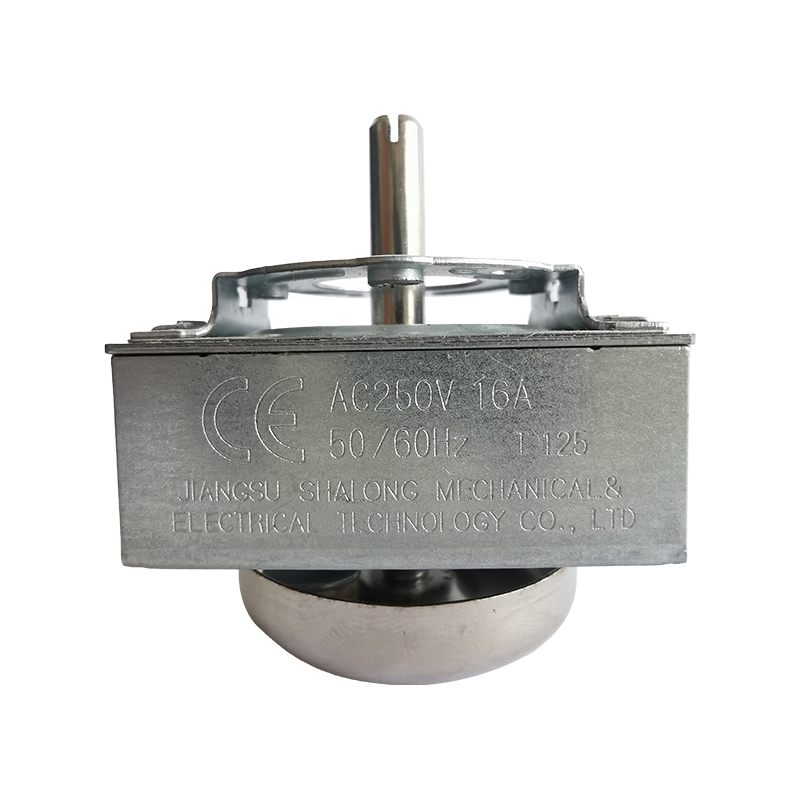
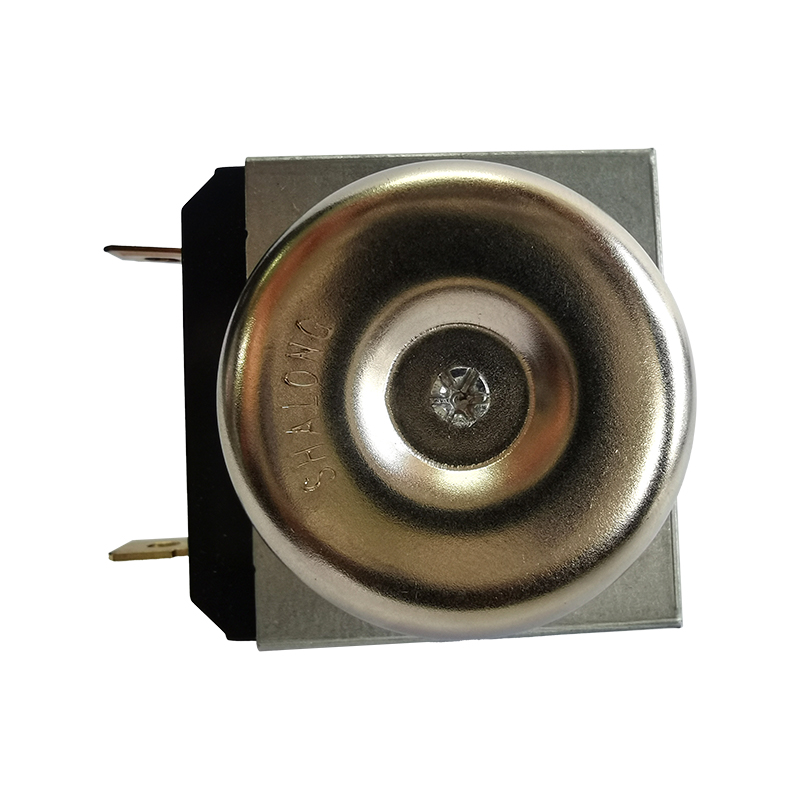
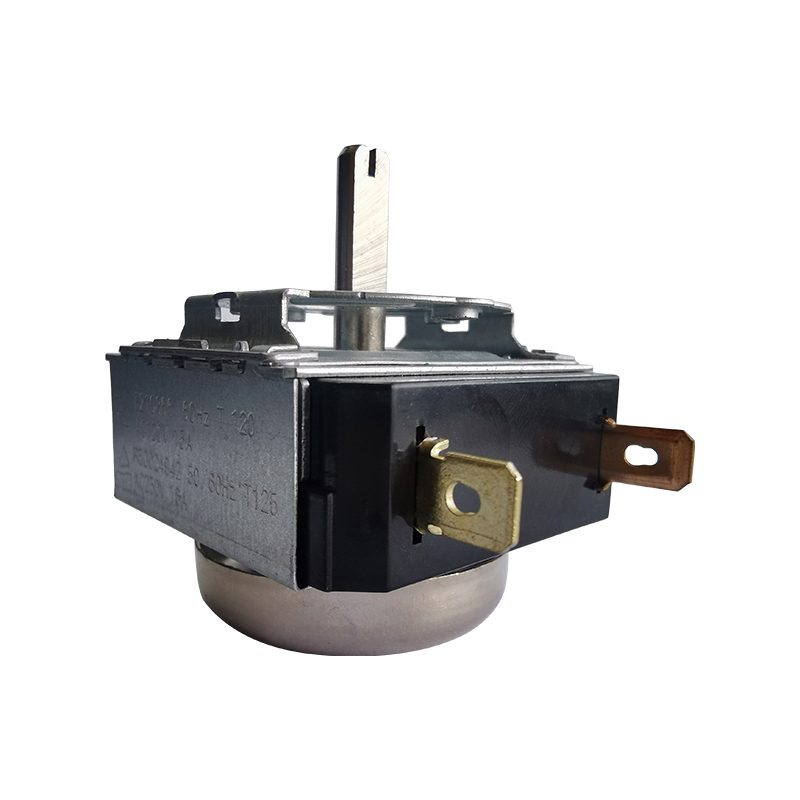
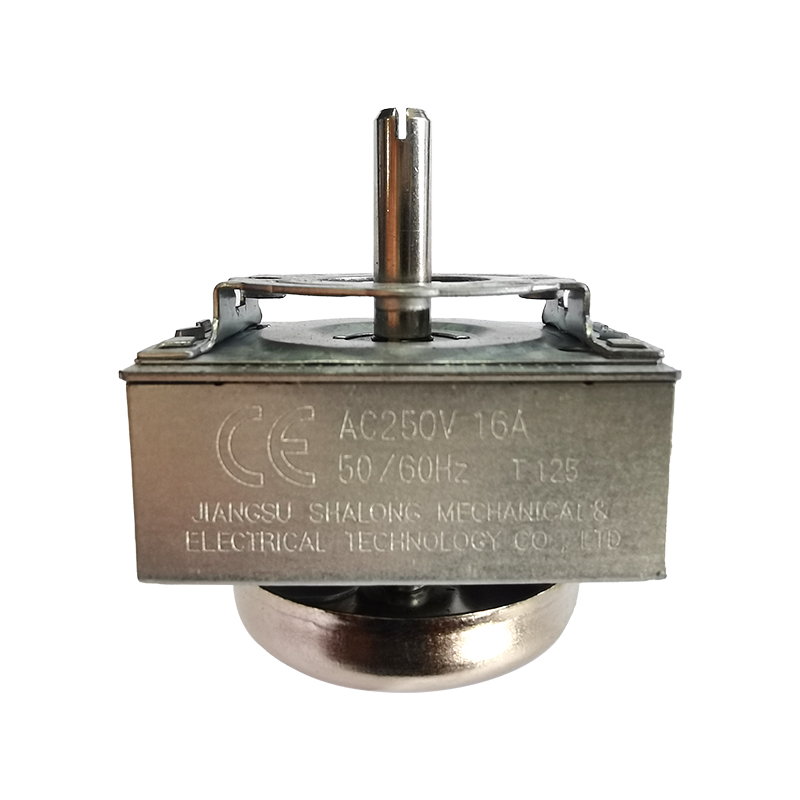
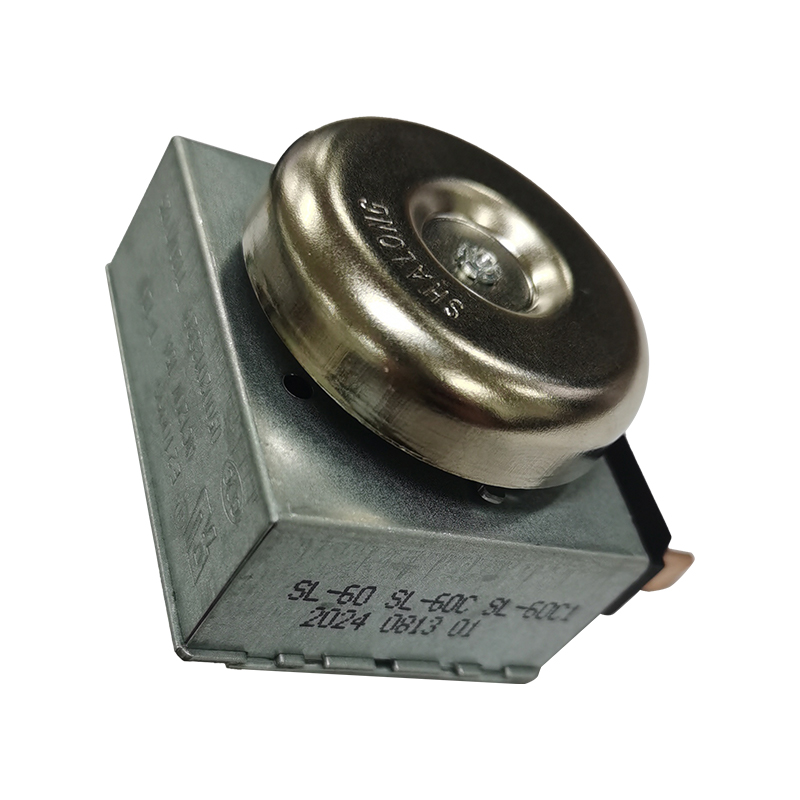
A manual kitchen timer is a spring-driven mechanical device that counts down a preset time and signals the end of the cycle with a bell or chime. It needs no battery, no display, no software, and no standby power. The user rotates the dial to the required minutes; the internal mainspring stores the energy; and a calibrated gear train releases that energy at a steady rate until the countdown reaches zero. In appliance engineering, the term covers both standalone desktop timers and the panel-mounted electromechanical timers built into ovens, air fryers, electric steamers, and similar equipment.
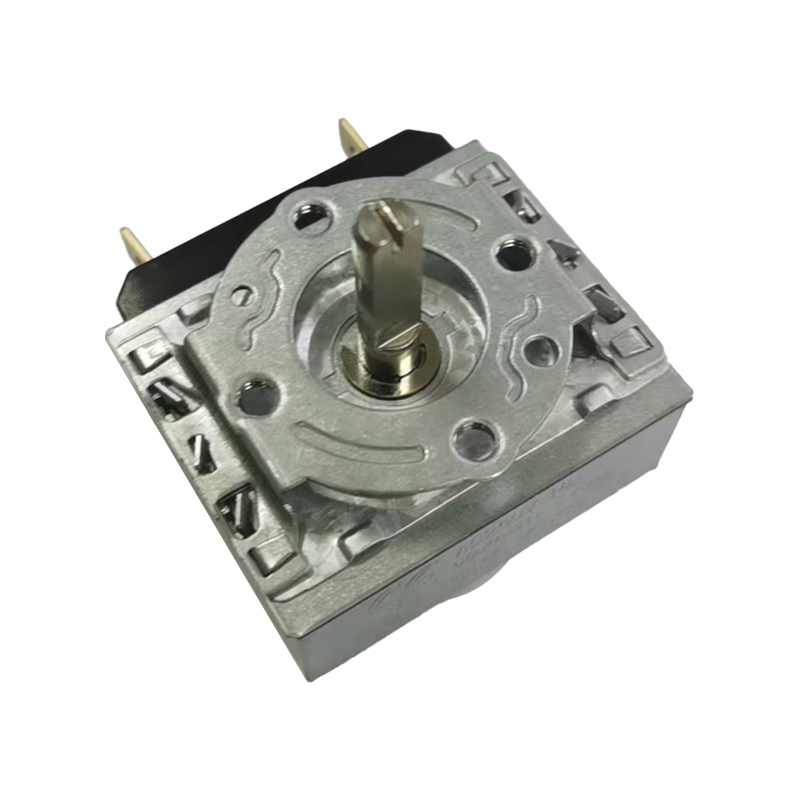
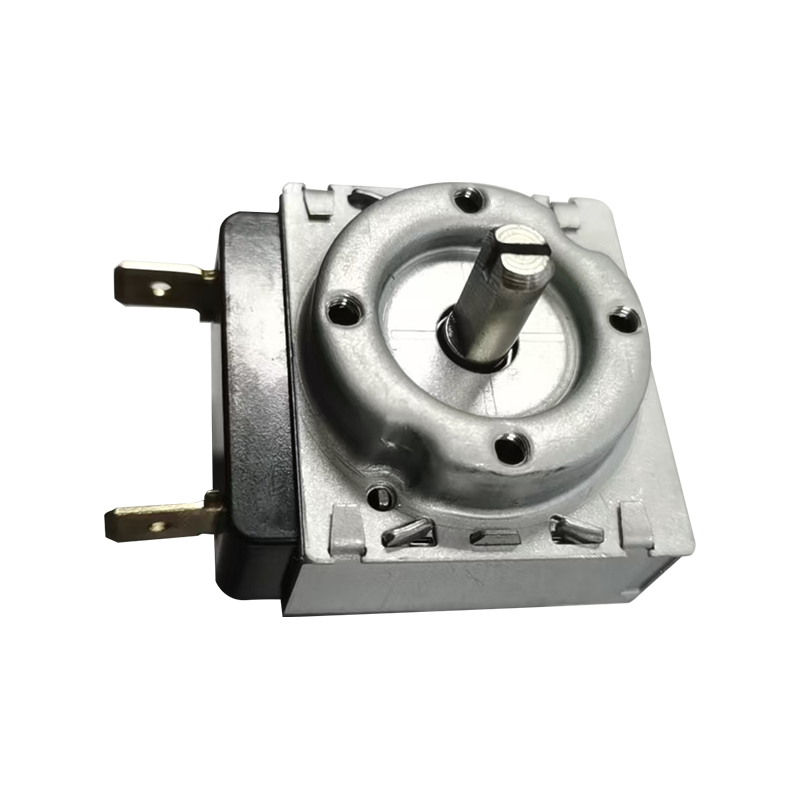
For a manufacturer or wholesaler, the relevant products are usually the metal mechanical timers that mount into the appliance control console. These components are defined by technical parameters: case diameter, shaft length and shape, mounting hole pattern, terminal type, switching rating, and bell option. A full-line timer supplier organizes them into families so that a new appliance design can be matched to an existing platform. For example, Jiangsu Shalong groups its production into circular timers for ovens, the SL-X regular series for standard appliances, and the small-size SLS-X precision series for compact devices.
Key conclusion: A manual kitchen timer is a self-contained electromechanical component that operates without electricity, which makes it one of the most predictable parts in any cooking appliance.
How Does a Manual Kitchen Timer Work?
A manual kitchen timer converts mechanical energy into a precise time base through four cooperating elements: a mainspring, a reduction gear train, an escapement, and a cam that releases the alarm mechanism. When the user turns the dial, the shaft winds the mainspring and simultaneously lifts the switch lever. The gear train then slows the spring's release so that the setting shaft completes one rotation exactly in line with the printed time scale.
Countdown accuracy depends almost entirely on the escapement and the tooth profile of the gears. In high-precision mechanical timers, the gears are cut with small-module hobbing machines, and the escapement is adjusted so that the ticking speed stays stable across the rated temperature range. This is where the self-stepping function becomes important: it lets the timer advance smoothly and trip the switch at the precise moment the dial reaches zero, instead of drifting as the spring loses torque. A timer without proper self-stepping may run fast during the first minute and slow toward the end, which is exactly the complaint users describe when the bell rings too early.
The alarm stage is simpler. At zero, the cam drops off its ledge, and a small striker spring hits the inner surface of the bell cup. Because the sound is produced by metal-on-metal contact rather than a speaker, the ringing volume stays consistent even after thousands of cycles.
Key conclusion: The mechanical principle is simple, but the tolerances in the gear train and the escapement decide whether a manual kitchen timer stays accurate for a few months or for a decade.
Common Types of Manual Kitchen Timers and Their Characteristics
Choosing the right type is easier when you know the three families that dominate the appliance market. The table below summarizes the main configurations available from a typical OEM timer manufacturer.
Table 1. Main families of manual kitchen timers and their typical specifications.
| Timer family |
Timing ranges |
Bell options |
Common applications |
Typical certifications |
| Circular oven timer |
60 - 160 min |
With or without bell |
Free-standing ovens, built-in ovens |
CE, TUV |
| SL-X regular series |
15 - 180 min |
With or without bell |
Air fryers, ovens, steamers, pressure cookers, sterilizers |
UL, CE, TUV, DKJ |
| SLS-X small precision series |
15 - 190 min |
Usually without bell |
Egg cookers, compact air fryers, medical devices |
CE, UL, TUV, DKJ |
| Manual countdown models |
30 - 120 min |
With bell |
General kitchen use, replacement parts |
DKJ, SL |
Once the timer family is clear, the next decision is the timing range. One of the first questions an appliance engineer asks is what maximum countdown a given product needs. The answer depends on the cooking process, the food being prepared, and the safety limits of the heating element. Across the manual kitchen timers offered by a full-line supplier, the common spans cluster into a clear pattern. The chart below summarizes the typical maximum timing values for nine appliance categories.
Figure 1. Typical maximum timing ranges by appliance category.
The first thing this chart shows is that timing ranges split into two obvious groups. Appliances with direct heat transfer, such as egg cookers and sterilizers, operate in the 15 to 30 minute band. That short window reflects the process itself, where a few extra minutes ruin the result. The middle band, from 60 to 90 minutes, covers air fryers, deep fryers, and conventional ovens. These appliances cook larger portions and need enough time for heat to penetrate the food evenly. The longest group, up to 180 minutes, is typical for electric steamers and baiting machines, which run continuous rather than batch cycles. For a buyer, this spread means that one universal timer cannot serve every application. A 15-minute unit installed in a potato steamer would force users to reset the dial repeatedly, while a 180-minute unit in an egg cooker would compress the short range into a tiny arc, making precise settings difficult. The scale markings become more compressed on long-range products, which lowers practical setting accuracy. That is why manufacturers such as Jiangsu Shalong produce a whole family of manual kitchen timers with different ranges instead of one generic model. It also explains why catalogs list 15, 30, 60, 90, 120, and 180 minute versions as separate items. When you plan a new appliance, matching the timer range to the real cooking cycle is one of the earliest specification decisions you will make.
Key conclusion: The timing range of a manual kitchen timer must match the real cooking cycle of the appliance, because a mismatched dial either frustrates users or destroys the setting accuracy.
Why Manual Kitchen Timers Are Still Specified in Modern Appliances
With cheap microcontroller-based timers available everywhere, some purchasing teams ask why a mechanical component still appears in new product designs. The answer becomes clear when you compare the two approaches under factory conditions.
Why engineers keep mechanical timers
- Withstands ambient temperatures that damage many electronic displays and capacitors.
- Requires zero standby power and cannot fail from a power surge.
- Gives immediate tactile feedback: the user feels the detent as the dial is set.
- Creates a loud ring that is hard to ignore, even in a noisy kitchen.
- Has a predictable failure mode, which simplifies after-sales service.
|
Where electronic controls win
- Supports multiple programs, timers, and cooking algorithms in one board.
- Allows digital display of temperature, countdown, and status messages.
- Enables connectivity and remote diagnostics.
- Easier to update when the product line changes.
|
For single-function appliances such as egg cookers, deep fryers, and mechanical ovens, the cost of a display, a microcontroller, and a power supply often exceeds the cost of the mechanical timer by three to five times. The electronic version also introduces new failure points: electrolytic capacitors dry out at high temperature, and touch buttons wear out. A manual kitchen timer, by contrast, has no software to crash and no battery to die.
Key conclusion: For a single-function cooking appliance, a manual kitchen timer provides equal or better reliability at a fraction of the electronic control cost.
How to Choose the Right Manual Kitchen Timer for Your Product Line
Selection starts with the appliance application, not with the timer. The following cards show how a typical OEM timer manufacturer maps its products to common kitchen equipment.
Air fryer
30 - 60 min, bell option, UL/DKJ approved for high-heat compartments.
Oven
60 - 90 min or 160 min circular dial, CE/TUV, with or without bell.
Egg cooker
15 min compact SLS-X unit without bell, fits tight control panels.
Electric steamer
180 min SL-X with bell for long cooking cycles.
Pressure cooker
100 - 120 min rugged gear train with detent settings.
Deep fryer
60 min high-temperature resistant version for oil-splash areas.
Sterilizer
20 - 30 min metal case design for repeated hot-steam exposure.
Selection checkpoints
- Verify the maximum timing range against the longest cooking program.
- Decide whether the unit needs a bell; some export markets prefer silent versions.
- Confirm the temperature rating of the case and the internal lubricant.
- Check shaft length, shaft type, and mounting hole distance against your control panel drawing.
- Collect the certifications required by your target market, such as UL, CE, TUV, or DKJ.
- Consider the sound level: a large bell cup rings louder, which matters for elderly users.
The product family below illustrates how these decisions translate into real hardware. For a free-standing oven, a 60-minute circular mechanical timer provides the familiar large dial that consumers expect. For an air fryer, the compact SL-X variant with a 30 to 60 minute range and a bell is a proven configuration. For an egg cooker, the 15-minute SLS-X precision timer keeps the dial readable despite the small panel space.
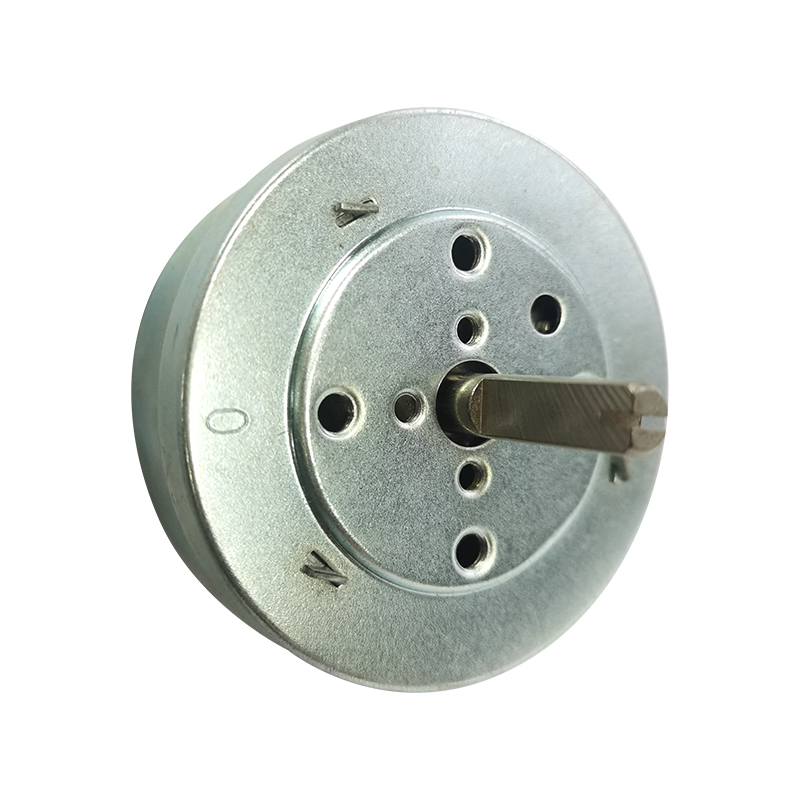 60-Minute Round Mechanical Timer for Free-Standing OvensThis circular metal timer offers a familiar large dial and customizable timing ranges up to 180 minutes, making it a straightforward choice for oven applications that require clear, reliable countdown control.View Product →
 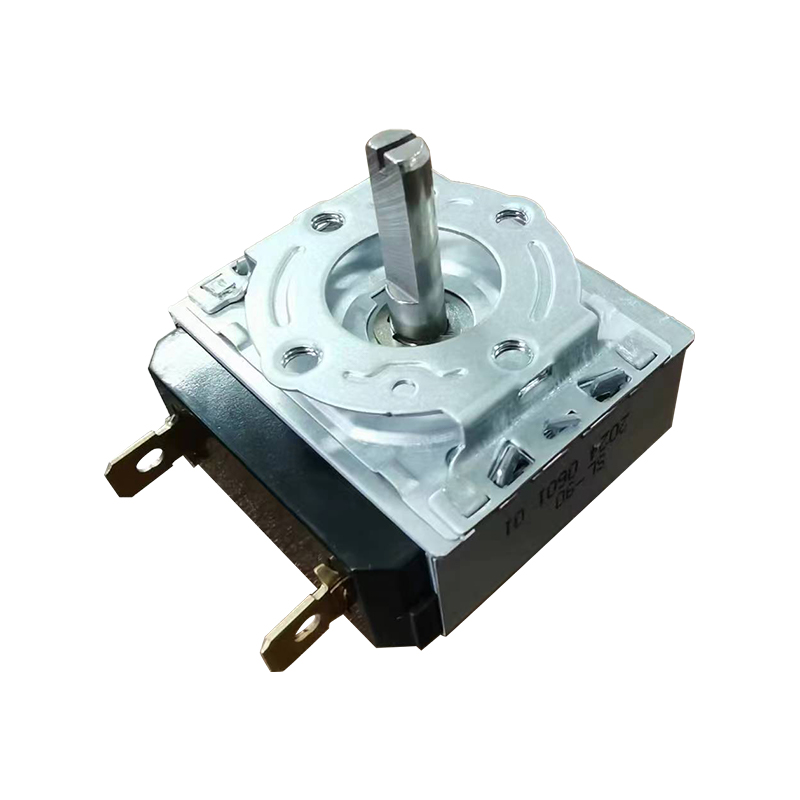 Air Fryer Mechanical Timer with Bell, 30-60 Minute RangeA compact SL-X style timer with bell, designed for air fryers. It supports multiple timing options and certifications like UL, ensuring dependable operation in countertop cooking appliances.View Product →
 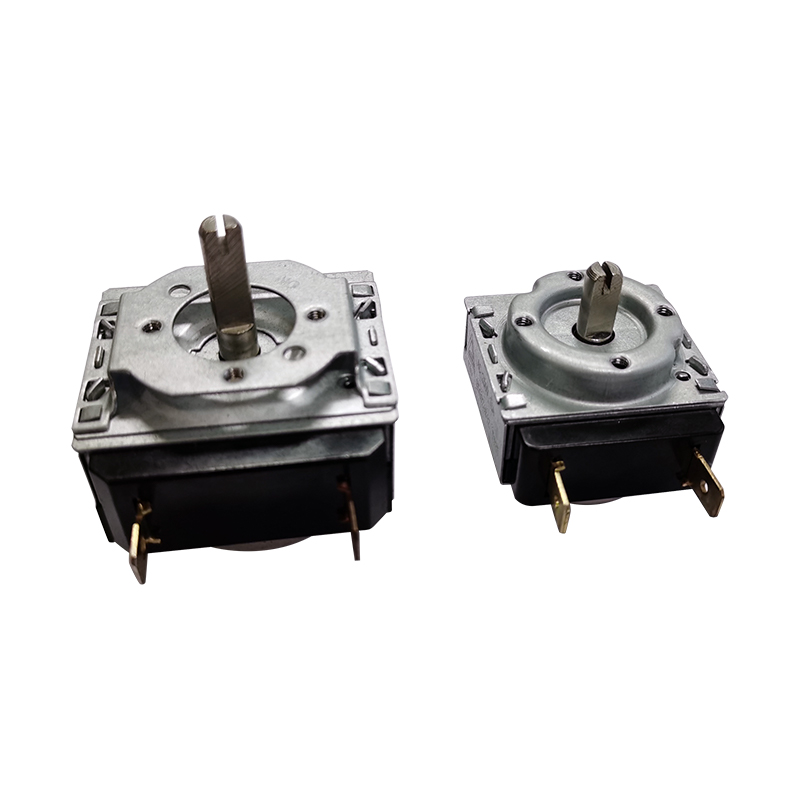 Egg Cooker Mechanical Timer, 15-Minute Precision ModelThis SLS-X timer features a 15-minute range without a bell, keeping the dial readable on small panels. Its compact size and precision make it well-suited for egg cookers and similar appliances.View Product →
Key conclusion: Match the timer family to the application first, then fine-tune the timing range, bell option, and certifications; the right specification leads to a shorter qualification cycle.
Procurement Checklist for Manufacturers and Wholesalers
When you buy manual kitchen timers in bulk, the unit price is only one line in the calculation. The real cost sits in rejects, line stoppages, and field returns. A reliable timer supplier will share test data, but you should still confirm the following points before signing a purchase order.
- Sample consistency: ask for 20 samples and measure the countdown deviation at 25 C and 100 C.
- Batch traceability: check whether the production date and batch code are printed on the case.
- Dial customization: confirm that artwork, logo, and scale markings can be printed to your specification.
- Packaging: verify that the materials protect the shaft and dial from vibration during sea freight.
- Lead time: clarify the standard delivery period and the buffer for peak seasons.
Because the timer is supplied to appliance brands that sell in different regions, certification coverage is a commercial issue, not just a technical one. A model with UL certification fits the North American market, CE covers the European Union, TUV is recognized in Germany and many other countries, and DKJ is accepted in parts of Asia. A manufacturer that offers all of these options on one platform shortens your qualification cycle considerably.
Need samples or a custom drawing?
Send your control panel dimensions and target timing range to the supplier through the contact page, and ask for the mechanical drawing together with the quotation.
Key conclusion: A robust procurement process for manual kitchen timers checks sample consistency, certifications, and dial customization before it negotiates price.
Frequently Asked Questions About Manual Kitchen Timers
How accurate are manual kitchen timers?
A quality mechanical timer holds a deviation of roughly one to three seconds per minute across a full scale, so a 60-minute unit may finish within about a minute of the set value. The accuracy depends on the gear tooth profile, the escapement adjustment, and the temperature. Units built to medical and sterilizer specifications, such as the 5 to 15 minute SL-X medical timer, are calibrated more tightly because they are used in processes where timing errors have safety consequences.
|
Can a manual kitchen timer work in high-temperature environments?
Yes, provided the manufacturer uses high-temperature resistant metal cases and heat-stable lubricants. Products in the SL-X and SLS-X lines are designed for the metal compartments of ovens and air fryers, where ambient temperatures can exceed 100 C. The key is the choice of material for the case and the thermal stability of the grease, both of which you should verify with the timer supplier before committing to a design.
|
How long does a mechanical kitchen timer last before it needs replacement?
With normal household use, a timer with a hardened steel gear train and a corrosion-resistant shaft can exceed 10,000 operating cycles. Many appliance brands run 100,000-cycle tests on the mechanical part without failure. If the timer starts to run fast or slow, the usual cause is dried grease or a bent shaft from rough handling, and that is when a spare unit is supplied under warranty.
|
Can I customize the dial, the timing range, and the bell for my appliance brand?
Yes. A professional mechanical timer manufacturer offers dial printing with your logo, custom scale ranges, special shaft lengths, and optional bell or no-bell configurations. The customization is done at the platform level: the SL-X and SLS-X families share the same internal movement, so changing the range or the bell does not require a completely new tool. Provide the panel drawing and the target market certifications, and the supplier will propose the nearest standard model.
|
What is the difference between the SL-X regular series and the SLS-X small precision series?
The SL-X series is a standard-size timer used in air fryers, ovens, steamers, and sterilizers where panel space is normal. The SLS-X series is a smaller, lighter movement with refined gear tolerances, designed for compact appliances such as egg cookers and small air fryers, or for devices that need tighter countdown accuracy. The choice comes down to the available panel cut-out and the required precision.
|
Key conclusion: The fastest way to validate a manual kitchen timer is to request samples, measure the deviation at high temperature, and compare the sound volume with your existing product.



 English
 中文简体
中文简体