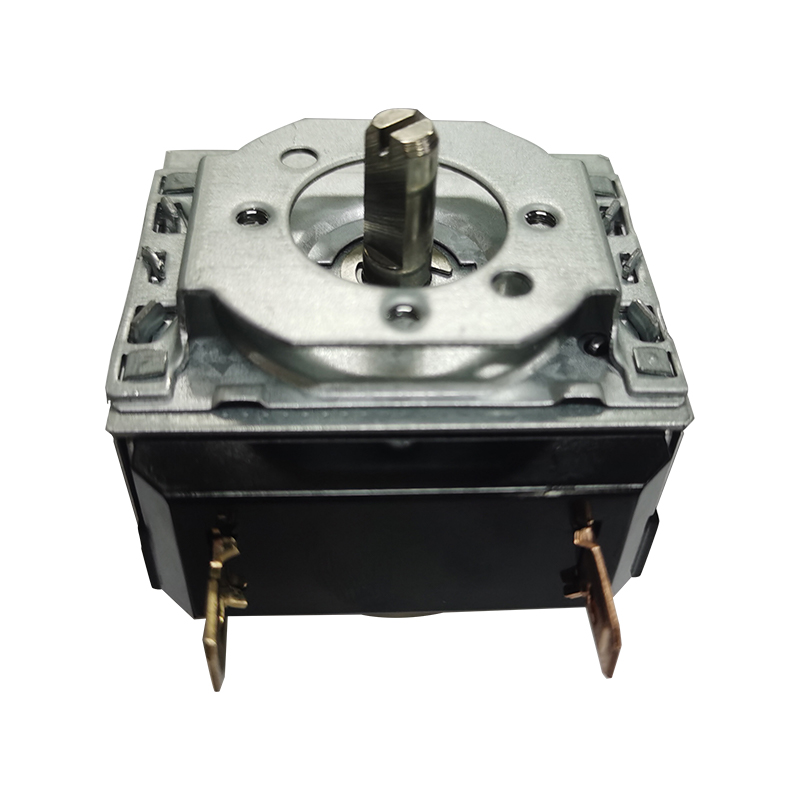
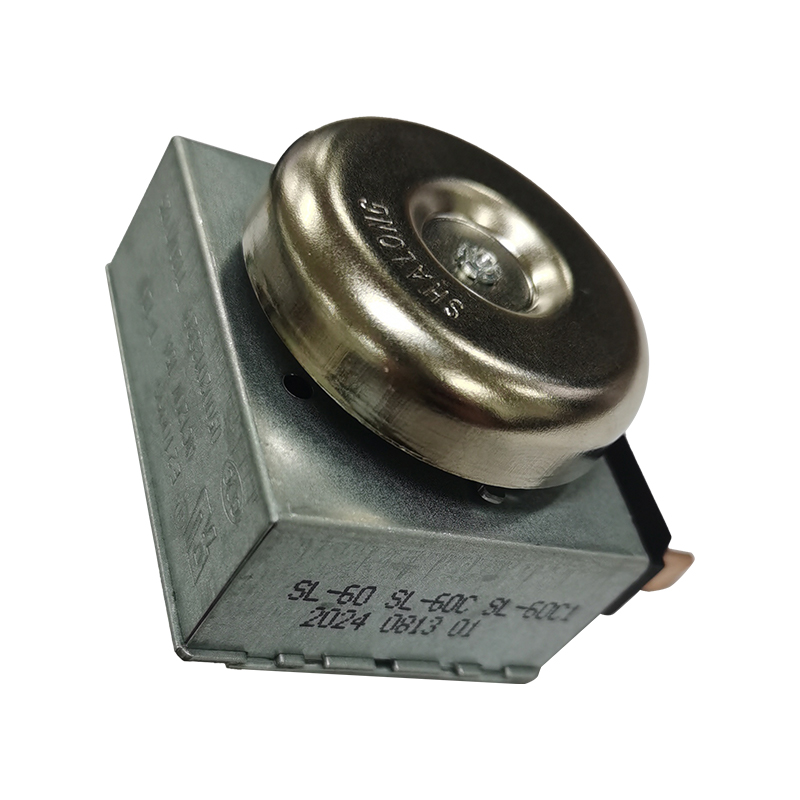
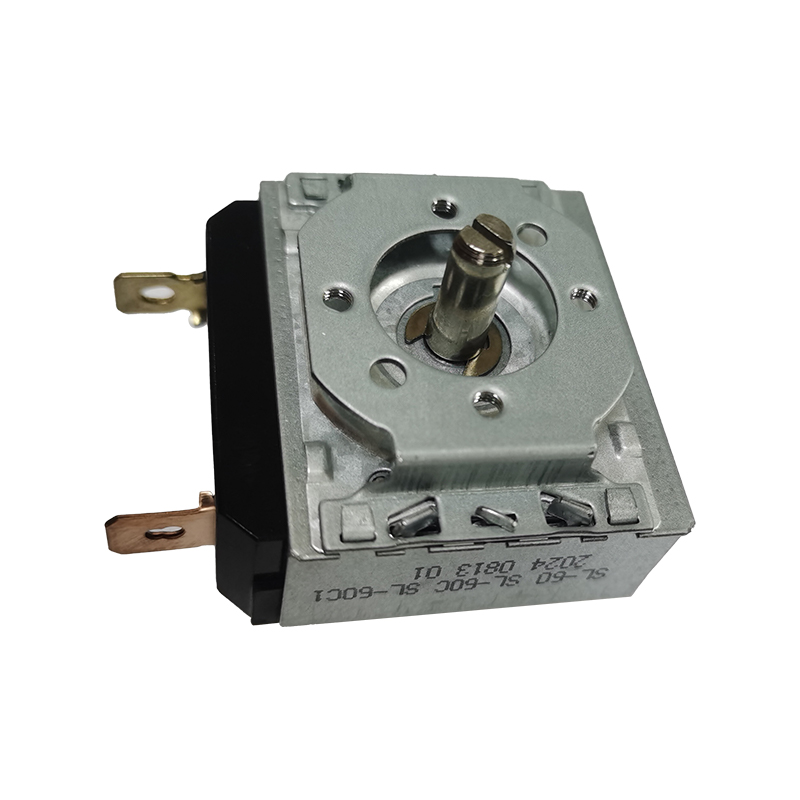
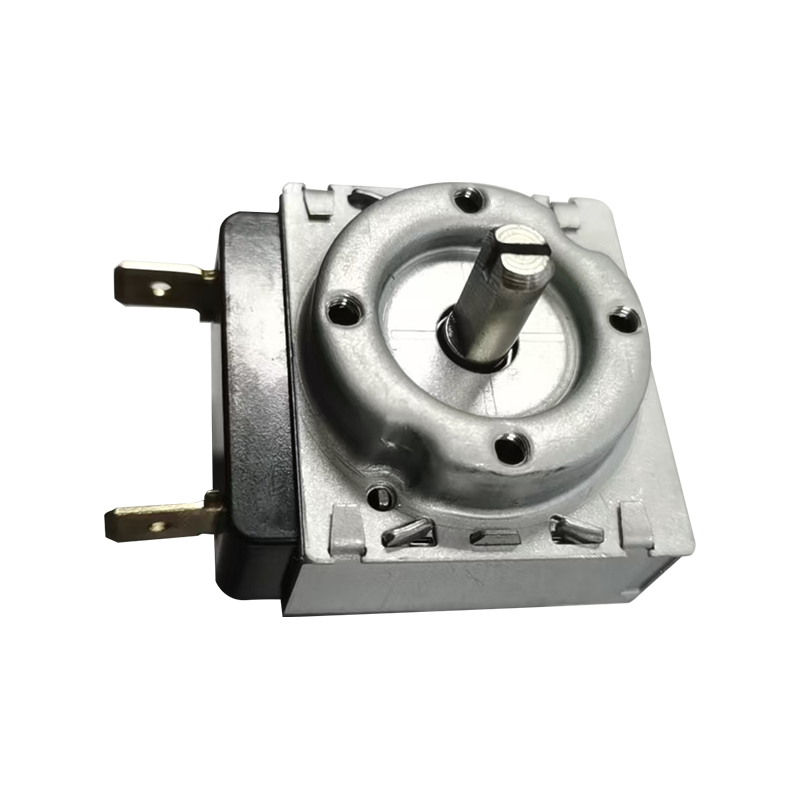
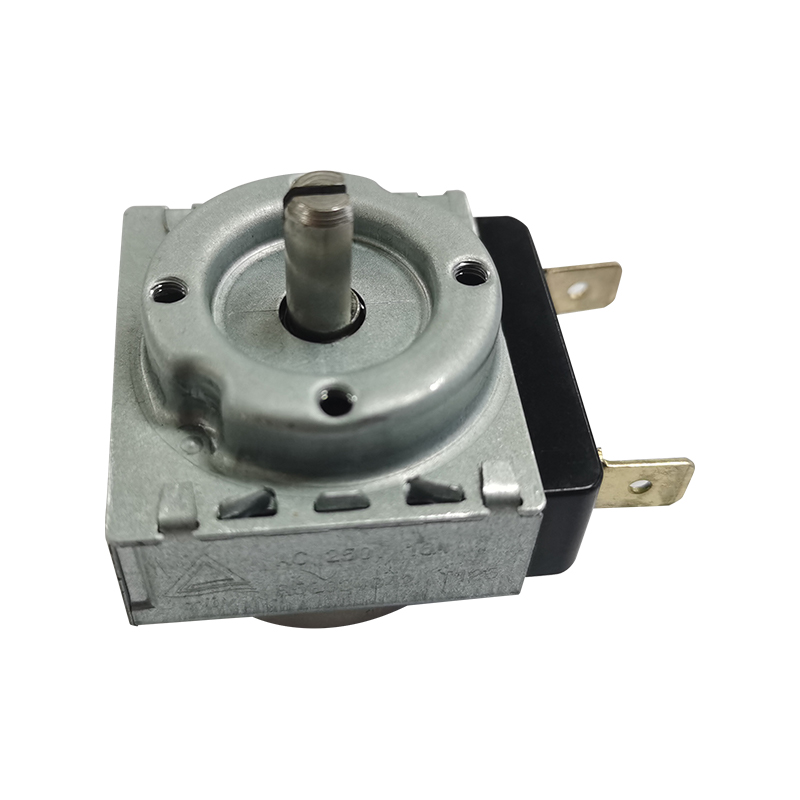
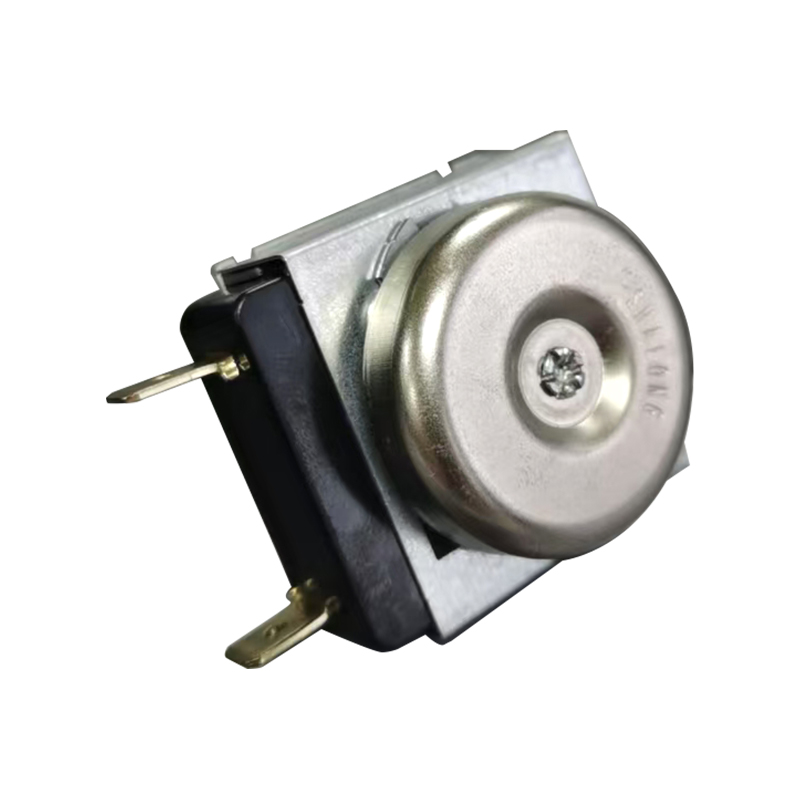
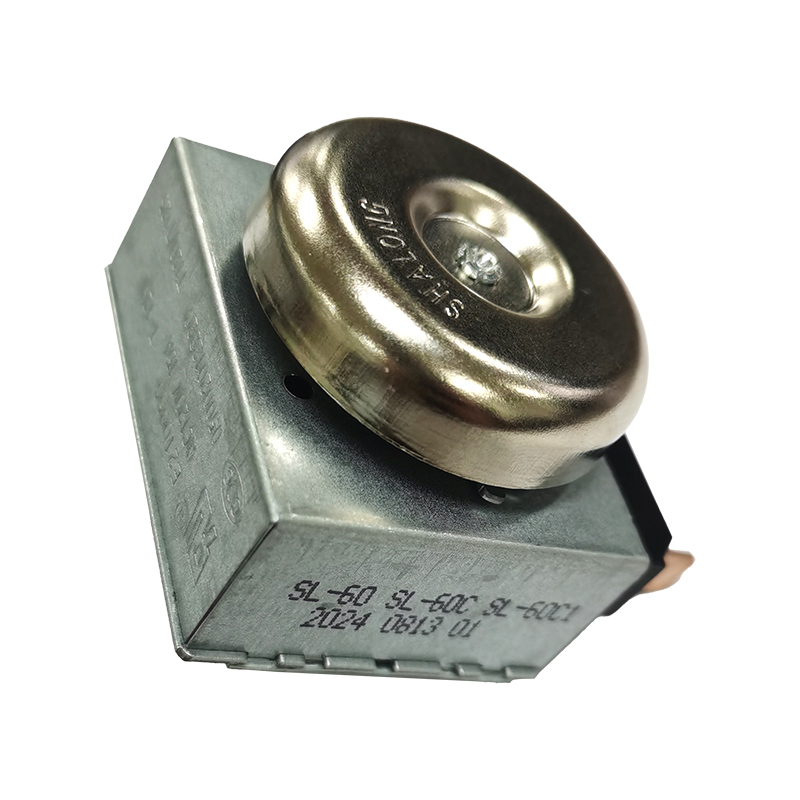
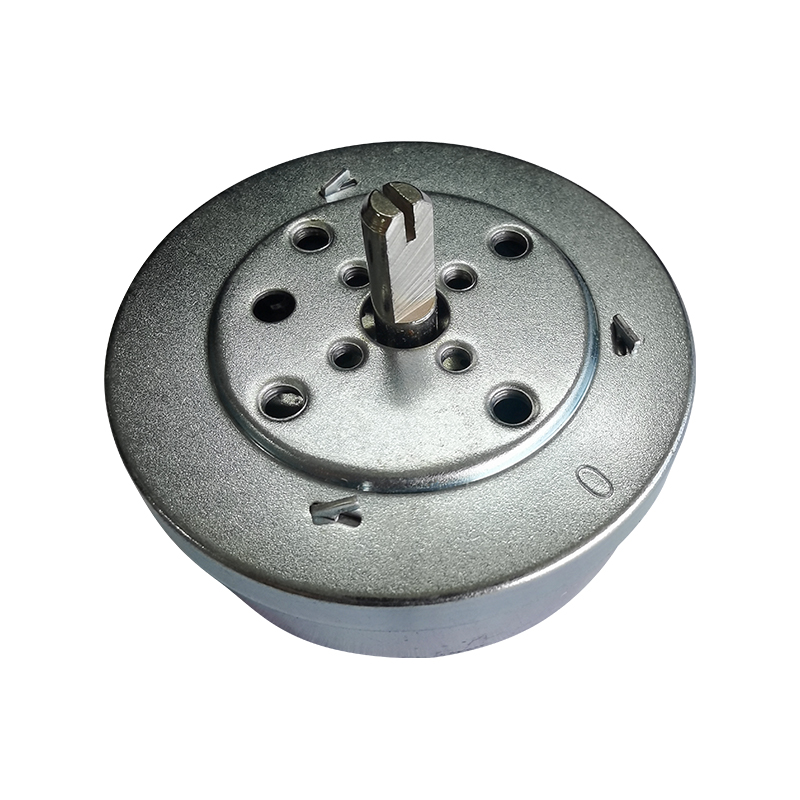
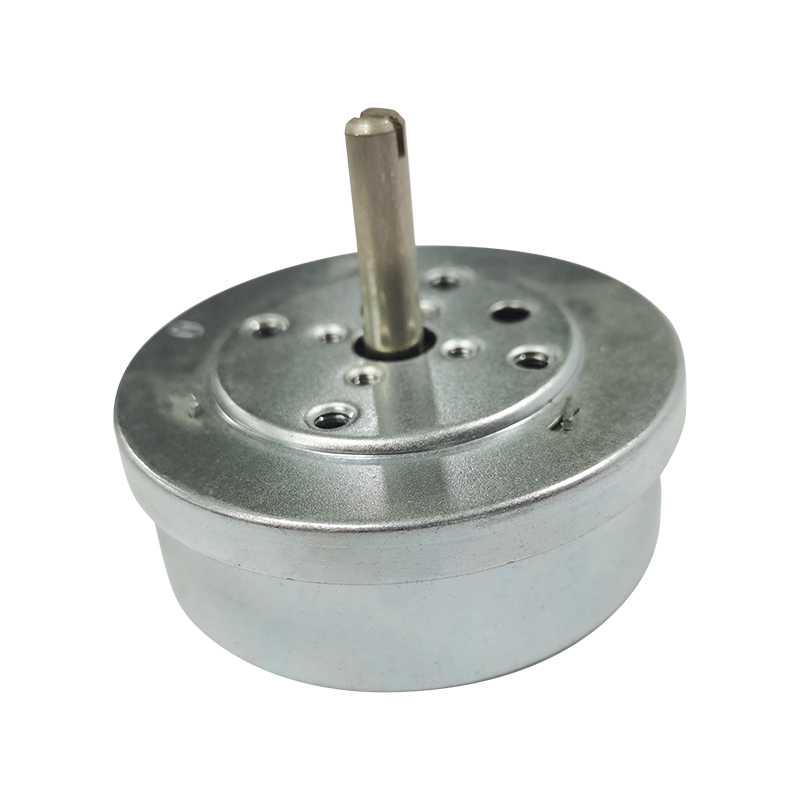
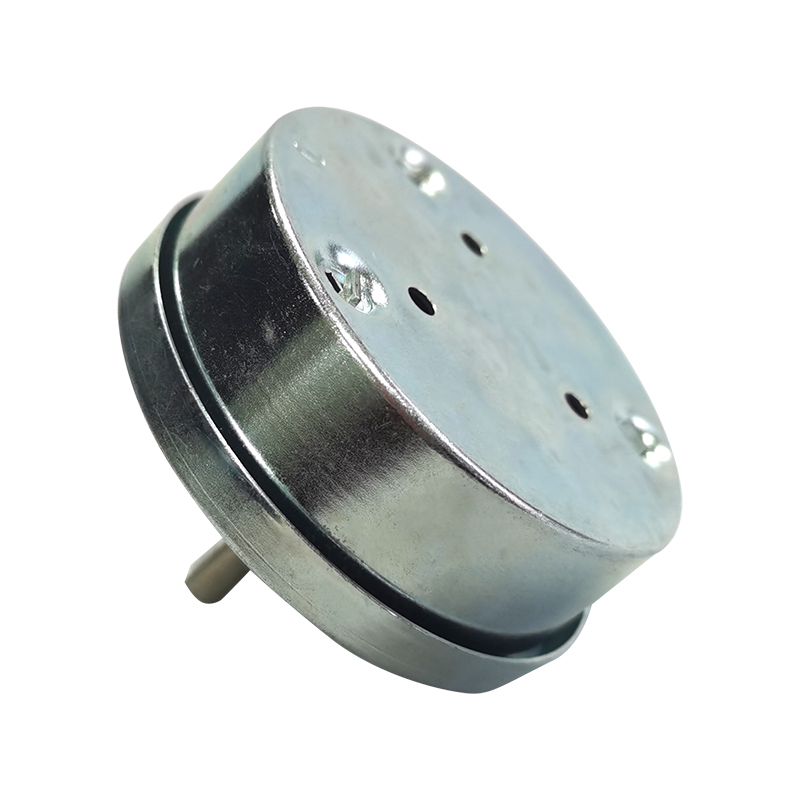
When a batch of electric ovens comes back from a distribution network with complaints about inaccurate cooking times, the fault is rarely in the heating element or the thermostat. More often, it is traced to a small component mounted behind the control panel: the industrial mechanical timer. Buyers rarely see this part, yet it directly determines how long the appliance runs, when it switches off, and whether the end user trusts the machine. A well-designed industrial mechanical timer can operate reliably for hundreds of thousands of cycles without service, but a poorly made one can drift, stick, or fail silently within months. The difference lies in the escapement design, the quality of the gear train, the contact materials, and the manufacturing process behind the product. This guide explains what industrial mechanical timers are, how they work, which types fit which appliances, and how to evaluate a mechanical timer manufacturer or supplier before committing to a large order.
Key takeaway: Industrial mechanical timers are small but decisive components; their reliability determines whether an appliance earns customer trust or generates warranty claims.
What Are Industrial Mechanical Timers?
An industrial mechanical timer is a self-powered timing device that opens or closes an electrical circuit through purely mechanical means. It consists of a spring-loaded mainspring, a reduction gear train, an escapement, and a cam-operated switch, all housed in a compact body that mounts inside a panel or enclosure. When the user rotates the dial, the mainspring is wound and the switch contacts close. At the end of the selected interval, the mechanism releases a cam that opens the circuit. Some versions also strike a bell to signal the end of the cycle.
Because the timer generates its own time base, it keeps counting even when the mains supply is interrupted. This makes mechanical timers valuable for safety-related applications such as sterilizers and disinfection cabinets, where an interrupted cycle should not go unnoticed. Electronic timers offer programmability and digital displays, but they draw standby power, are more sensitive to heat and voltage transients, and typically cost more to certify. For appliance manufacturers serving price-sensitive markets, the mechanical timer remains the most dependable and economical choice.
Industrial mechanical timers are defined by a few measurable characteristics: timing range, timing accuracy, contact rating, operating temperature range, and mechanical life. A typical panel-mount timer from a specialist supplier offers an accuracy of about ±5 percent of full scale, a contact rating of 10 A or 16 A at 250 V AC, an operating temperature range that extends above 125 °C for oven versions, and a mechanical life of 10,000 to 50,000 cycles. These figures should be verified by the manufacturer under controlled test conditions and stated in the datasheet. When a supplier cannot provide test data, the prudent assumption is that the product has not been properly validated.
Key takeaway: An industrial mechanical timer is a spring-driven, self-powered switch that provides a reliable time base without standby power, and its true quality is revealed only by measurable parameters such as accuracy, temperature rating, and mechanical life.
How an Industrial Mechanical Timer Works
The mechanical movement
Every mechanical timer contains the same basic elements. The mainspring stores the energy a user applies when turning the knob. The gear train reduces the rapid unwinding of the spring into a slow, controlled rotation of the output cam. The escapement regulates the release of energy in discrete steps, which gives the timer its predictable time base. In high-quality industrial timers, the gears are cut from metal, usually brass or zinc alloy, rather than molded from plastic, because metal gears hold their tooth profile under load and resist the creep that degrades plastic gear trains in warm environments.
The shaft that carries the dial is supported by low-friction bushings, and the entire movement runs inside a case that limits the ingress of dust and moisture. The dial is connected to the shaft through a clutch or a friction fit, so the user can turn the knob without damaging the gear train. When the knob is released, the spring drives the mechanism forward, and the output cam turns slowly until it reaches the trip point. The trip point is the angular position at which the cam profile changes and the switch is actuated.
Why the self-stepping function matters
An important detail in appliance timers is the self-stepping action. When the countdown reaches zero, the internal switch does not simply drop open; it steps through a cam profile that snaps the contacts open or closed with mechanical force. This ensures a clean, fast break of the circuit, which reduces arcing and contact wear. The same mechanism also prevents the timer from resting halfway between positions, a common failure in weak designs. A metal mechanical timer with a well-designed self-stepping mechanism produces a consistent click at the end of every cycle, and that click is a useful quality indicator during incoming inspection. The technology behind accurate timing is explained in greater detail in the resource article listed in the final section of this guide.
Bell and switch contacts
The bell mechanism, where fitted, is a hammer that strikes a gong when the cam reaches the end position. The force of the strike depends on spring energy, so bell timers are usually built with a stronger mainspring than silent versions. The electrical switch contacts are typically silver-alloy or silver-tin-oxide rivets welded onto spring arms. Silver-tin-oxide contacts withstand arcing better than pure silver when switching inductive loads such as motors and heating elements. Contact gap and contact pressure are set at the factory and should not require adjustment during the life of the product.
Understanding these mechanisms matters because the engineering choices directly affect reliability. A timer with a metal gear train, a robust self-stepping cam, and properly rated contacts will routinely outlast the appliance it is fitted to. A timer built down to a cost target, by contrast, will often show fatigue in the form of skipped cycles or inconsistent cutoff points within the first year of service.
Key takeaway: The accuracy and durability of an industrial mechanical timer depend on the interplay of the mainspring, metal gear train, escapement, and self-stepping cam; these parts determine how consistently the switch operates at the end of every cycle.
Main Types of Industrial Mechanical Timers
Industrial mechanical timers are manufactured in several form factors and configurations. Selecting the correct type early in the product design process avoids rework and qualification delays later. The main distinctions are the mounting format, the presence or absence of a bell, the timing range, and the size of the movement.
Common configurations
- Panel-mount countdown timers: Designed to snap or screw into a control panel with a front-accessible dial; the most widely used configuration in cooking appliances.
- Timers with bell: Provide an audible end-of-cycle signal for ovens, steamers, and egg cookers.
- Timers without bell: Operate silently and rely on the appliance host for indication; common in air fryers and sealed compartments.
- Manual-set timers: The user winds and sets the dial for a single cycle; the timer stops at zero and must be re-wound.
- Miniature precision timers: A smaller body and finer gear train for compact appliances and medical devices.
- Long-range timers: Dials of 120, 160, or 180 minutes for slow cooking and industrial processes.
Product series at a glance
SL-X series
Regular-size panel-mount timers covering 15 to 180 minutes, with or without bell, including high-temperature and UL, CE, and TUV-certified variants for ovens, air fryers, pressure cookers, steamers, sterilizers, and medical devices.
SLS-X series
Small-size precision timers with a compact movement for space-constrained appliances; available in 15 to 90 minute ranges and a 190-minute manual variant, with UL, CE, TUV, and DKJ certifications.
Circular oven timers
Round-format timers for free-standing ovens and built-in appliances, offered in 60-minute and 160-minute versions with a long-ring bell and high-temperature resistance.
Comparison of the three industrial mechanical timer series from a typical manufacturer's catalogue
| Feature |
SL-X series |
SLS-X series |
Circular oven timers |
| Timing ranges |
15, 20, 30, 60, 90, 120, 160, 180 min |
15, 30, 60, 90, 190 min |
60, 160 min |
| Bell option |
Available |
Available |
Long ring |
| Typical applications |
Ovens, air fryers, deep fryers, pressure cookers, steamers, sterilizers, medical devices |
Compact air fryers, egg cookers, small appliances |
Free-standing ovens, built-in ovens |
| Certification examples |
UL, CE, TUV, DKJ |
UL, CE, TUV, DKJ |
CE, TUV |
| High-temperature versions |
Yes |
Yes |
Yes |
When comparing series, pay attention to the maximum dial value and the physical dimensions of the movement. A miniature timer saves panel space, but it usually has a smaller contact rating and a shorter maximum range than a full-size unit. If the appliance has an internal temperature above 100 °C near the control panel, choose a high-temperature version with metal gears and appropriate grease. For large ovens, the circular format may be preferred because it provides a larger, more readable dial and a more robust ring mechanism.
Key takeaway: Selecting the right timer series is a trade-off among dial range, panel space, contact rating, and certification requirements; the three series described here cover the majority of appliance applications without the need for a fully custom design.
Industrial Mechanical Timer Applications Across Appliance Categories
Industrial mechanical timers are used across a wide range of electric appliances. In each category, the timer must meet specific requirements for timing range, temperature exposure, contact load, and user interaction. The following overview maps the main application areas to the product types that are commonly specified.
Kitchen cooking appliances
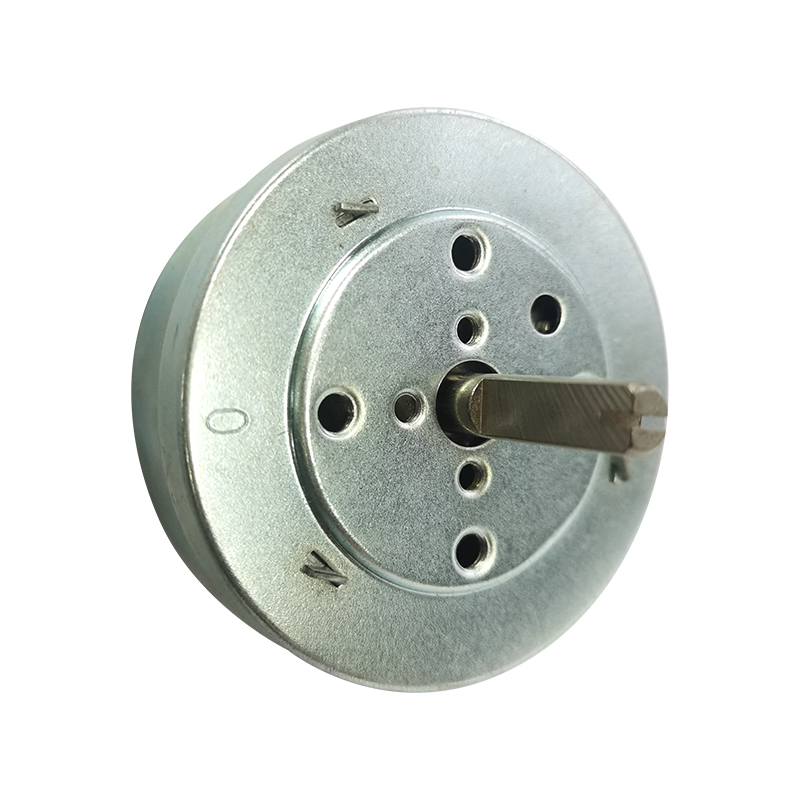 60-Minute Round Mechanical Oven Timer for Free-Standing OvensThis compact round timer offers a clear dial for quick setting in ovens, with timing options from 15 to 180 minutes. It suits high-temperature panels and continuous daily use, making it a reliable choice for standard oven builds.View Product →
Ovens and free-standing ovens. Oven timers are the classic application for industrial mechanical timers. A 60-minute round timer is the standard choice for free-standing ovens, providing a clear dial that the user can set quickly even with wet hands. For models with longer baking cycles such as slow roasting or defrosting, a 160-minute high-temperature metal mechanical timer with a long ring gives additional headroom. Oven timers must withstand ambient temperatures above 100 °C near the control panel and continuous duty of many cycles per day. The circular format also simplifies checklist assembly because the mounting hole and shaft length are standardized across many panel designs.
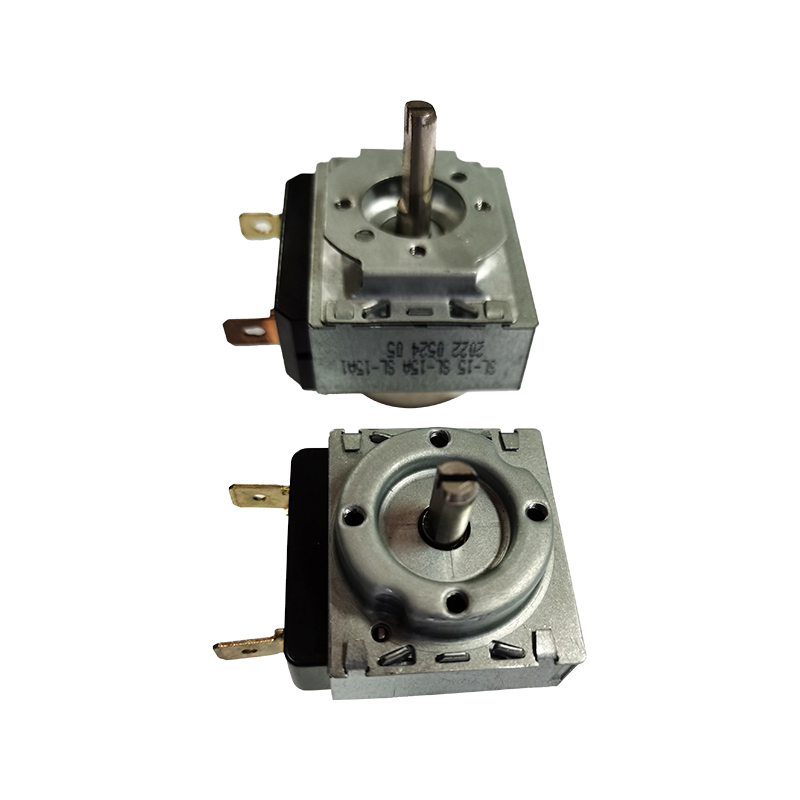 Compact Air Fryer Mechanical Timer, 30 or 60 Minutes, No BellDesigned for tight air fryer control areas, this small timer provides 30 or 60-minute countdowns without an end signal. It carries UL and CE approvals and resists high heat, ideal for OEM projects needing fast sampling.View Product →
Air fryers. Air fryers typically use a 30-to-60-minute timer without a bell, because the appliance itself provides an end-of-cycle signal. The compact SLS-X series is well suited to the confined control area of a modern air fryer. Versions with UL and CE certification cover the North American and European markets. Because air fryers run hot, the timer should be a high-temperature version with metal gears when the control area is not fully isolated from the cooking chamber. The 30–60 minute range is also the most frequently requested option for OEM projects, so manufacturers keep it in stock for fast sampling.
Deep fryers. Deep fryers operate at oil temperatures between 160 and 190 °C, and the timer may be mounted close to the oil tank. A 60-minute high-temperature-resistant timer with a sturdy switch contact is the common specification. The contact rating must handle the heating element current, which can exceed 10 A in large units. In commercial kitchens, the same timer platform is often paired with a thermostat to create a full cooking control system.
Electric steamers and egg cookers. Steamers and egg cookers use shorter or longer cycles, from 15 to 180 minutes depending on the model. Egg cookers typically use a 15-minute timer without a bell; electric steamers often use a 180-minute timer with a bell for long slow cooking. The humid environment around a steamer requires a sealed or semi-sealed case to prevent condensation from entering the movement. Suppliers that test timers under humid conditions can provide documented evidence of stable timing, which is valuable for export to tropical markets.
Electric pressure cookers. Pressure cookers use 100 or 120-minute timers that allow for long cooking cycles under pressure. The timer is usually paired with a thermostat, and the switch contact must be rated for the load of the heating element. Because pressure cookers generate steam inside a sealed vessel, the timer itself is normally located in the lower control area away from direct steam exposure. A longer dial range also reduces the need for the user to reset the timer when cooking large cuts of meat or beans.
Sanitization, medical, and specialty equipment
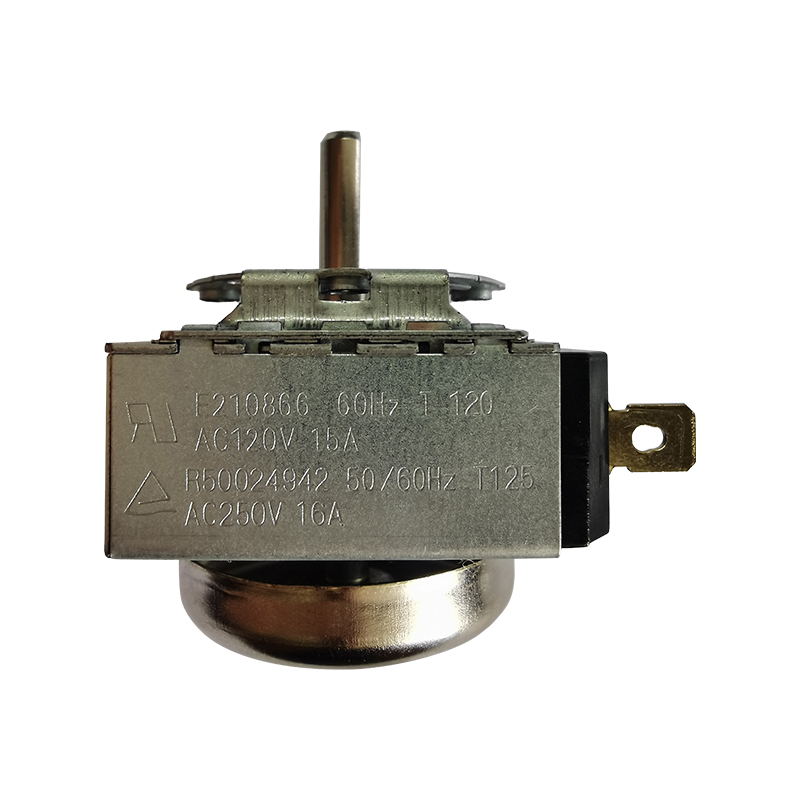 Sterilizer Metal Mechanical Timer for 20 or 30 Minute CyclesThis timer maintains accuracy in hot, humid sterilizer environments and continues counting through power interruptions. With robust switch contacts for damp conditions, it supports reliable short cycles essential for safety-critical disinfection applications.View Product →
Sterilizers and disinfection cabinets. Sterilizers require short, reliable cycles of 20 to 30 minutes, and the timer must maintain accuracy in a hot, humid environment. Disinfection cabinets commonly use 30 or 60-minute timers with DKJ or SL certification. Because these appliances are used in settings where a missed cycle has safety implications, the mechanical timer's ability to continue counting through a power interruption is a genuine advantage. The switch contacts in sterilizer timers must be rated for repeated operation under damp conditions, and the manufacturer should supply corrosion-resistance data for the contact material.
Medical devices. Medical device timers cover 5 to 15 minutes and must meet stricter certification requirements, typically CE and UL. The mechanism is similar to a standard countdown timer, but the manufacturing and testing standards are higher, including tighter tolerance on timing accuracy and documented batch traceability. For medical applications, a metal mechanical timer with a fully enclosed metal case is preferred because it dissipates heat more effectively and provides better electromagnetic shielding.
Bait machines and commercial equipment. Bait machines used in fishing use 180-minute high-temperature timers that must handle long unattended operation. In commercial kitchens and industrial process equipment, the same long-range timer platforms are used for batch timing and process control, often replacing more expensive electromechanical relays. The long ring function in these models alerts operators even in noisy environments, which is why the 160-minute and 180-minute dials are specified for factory and workshop applications.
Typical industrial mechanical timer specifications for common appliance categories
| Appliance |
Typical range |
Bell |
Special requirement |
| Free-standing oven |
60 min |
Yes |
High temperature, round format |
| Oven with long cycles |
160 min |
Long ring |
High temperature |
| Air fryer |
30–60 min |
No |
Compact size, UL/CE |
| Deep fryer |
60 min |
Optional |
High temperature, high contact rating |
| Electric steamer |
180 min |
Yes |
Humidity resistance |
| Egg cooker |
15 min |
No |
Short range, fine scale |
| Pressure cooker |
100–120 min |
Optional |
Heating element load |
| Sterilizer |
20–30 min |
Optional |
Accuracy, certification |
| Disinfection cabinet |
30–60 min |
No |
DKJ/SL certification |
| Medical device |
5–15 min |
No |
CE/UL, tight tolerance |
| Bait machine |
180 min |
Optional |
Long unattended operation |
When you are sourcing timers for a new appliance, cross-check the intended market and certification requirements first. A timer that carries UL and CE reduces your own compliance workload, while a timer with only a basic approval may force a separate component test at your expense. Also consider the annual volume: highly standardized ranges such as 60-minute oven timers and 30–60-minute air fryer timers are produced in the highest volumes, which usually translates into better pricing and shorter lead times.
Key takeaway: The same industrial mechanical timer platform can serve a wide range of appliances, but the specific dial range, bell option, temperature resistance, and certification must be matched to each product category to avoid field failures.
How to Choose the Right Industrial Mechanical Timer
Choosing the right industrial mechanical timer requires a structured comparison of specifications rather than a simple look at the dial. The timing range is the first specification to lock down when you shortlist an industrial mechanical timer. Different appliances work on very different cycles, and a dial that is too short forces the user to reset mid-cycle, while a dial that is too long makes accurate setting difficult. Standard product families cover this variety with dials from 5 minutes to 180 minutes. The chart below maps the typical timing ranges used across common appliance categories, based on the standard catalogue of a mechanical timer supplier. Use it to position your application before comparing specific part numbers.
Disinfection cabinet
30–60 min
Pressure cooker
100–120 min
Chart: typical timing ranges of industrial mechanical timers by appliance category, with 180 minutes as the full scale
Several patterns stand out from this distribution. The 30-to-60-minute band is the most crowded, covering air fryers, deep fryers, and disinfection cabinets. This is why most manufacturers offer multiple variants inside this band, with and without a bell, and with different shaft lengths and knob styles. Ovens sit just above this band, usually at 60 or 90 minutes, because baking and roasting cycles typically run between half an hour and an hour and a half. A small but important cluster sits at the short end: egg cookers at 15 minutes and sterilizers at 20 to 30 minutes. These applications need fine graduation and consistent repeatability rather than a long range. At the other extreme, electric steamers and bait machines use 180-minute dials, and the long spring travel demands a higher-quality mainspring and a more robust gear train. If your appliance needs a range that falls outside these standard bands, a custom dial or gear ratio can be developed, but you should expect longer lead times and higher tooling investment. Purchasing teams should also note that a 120-minute timer is not simply a 60-minute timer with a bigger case; the gear reduction and escapement must be re-engineered. This is why it is prudent to ask the supplier for the specific load and temperature test data for the exact model you plan to use. In practice, the timing range decision also affects the bushing and shaft design, because a long-range timer requires more winding turns and therefore more torque. Finally, the dial scale must be readable at the working distance of the end user; a 180-minute dial with fine marks is difficult to read in a dim kitchen. Matching the range to the real cycle, rather than over-specifying, gives the best user experience and the lowest cost.
Selection checklist
- Confirm the required timing range and whether a bell is needed.
- Measure the available panel space and the required shaft length and diameter.
- Define the maximum ambient temperature at the timer mounting position.
- Calculate the electrical load and select a timer with a contact rating above the inrush current.
- Identify the certification marks required for your target markets (UL, CE, TUV, DKJ).
- Request the mechanical life and accuracy data for the exact model.
- Check the sample before tooling decisions; test at least 100 cycles under load.
- Review the supplier's process control and incoming inspection records.
Application scenarios and selection priorities
How application scenarios translate into industrial mechanical timer selection priorities
| Residential ovens and air fryers: prioritize dial readability, bell options, and high-temperature-rated metal construction. |
Commercial fryers and steamers: prioritize high contact rating, long mechanical life, and resistance to humidity or oil vapor. |
| Sterilizers and medical devices: prioritize timing accuracy, certification marks, and batch traceability. |
Bait machines and field equipment: prioritize long range (180 min), robust mainspring, and sealed case. |
Key takeaway: Match the dial range to the real operating cycle, verify the temperature and electrical ratings against the datasheet, and always sample-test under load before approving a new industrial mechanical timer model.
Durability, Maintenance, and Common Failure Modes
Materials that determine service life
The service life of an industrial mechanical timer is largely set by materials selection. Metal gear trains, usually brass or zinc alloy, resist wear and high-temperature deformation far better than plastic. The mainspring must be made of a fatigue-resistant spring steel and heat-treated to maintain its torque over many thousands of winding cycles. Bushings and bearings should be self-lubricating or impregnated with high-temperature grease, and the switch contacts should be silver-tin-oxide for inductive loads. A timer that combines these materials will typically achieve 30,000 to 50,000 cycles, while a plastic-gear design may fail at a fraction of that under the same conditions.
Environment and installation
The mounting environment has a direct effect on timer life. Excessive heat accelerates grease oxidation and dries out the mechanism. Humidity and condensation, common near steamers and sterilizers, can corrode contacts and shafts. Vibration can loosen the mounting nuts and wear the gear pivots. When installing timers, follow the manufacturer's orientation guidelines, and ensure that the knob does not rub against the front panel, which would add friction and falsify the timing. For high-temperature applications above 125 °C, use a timer specifically rated for that environment and verify the rating with temperature test reports.
Maintenance recommendations
Mechanical timers require very little maintenance in normal use, but a few practices extend their life. Avoid turning the knob beyond the maximum position or forcing it past the stop. Clean the panel area so that dust and grease do not accumulate on the dial and shaft. For equipment used in dusty or humid environments, schedule an annual inspection that includes visual checks of the contacts and lubrication of the shaft bushings. If the timer begins to click late or ring weakly, replace it rather than attempting internal repairs, because re-calibrating the escapement requires factory tooling.
Common failures and troubleshooting
Common failure modes of industrial mechanical timers, likely causes, and corrective actions
| Failure mode |
Likely cause |
Corrective action |
| Timer does not start |
Mainspring broken or disengaged; knob clutch slipping |
Replace the timer; check knob fit and shaft length |
| Countdown is too fast or too slow |
Escapement wear; wrong grease viscosity; extreme temperature |
Verify operating temperature; request accuracy test data; replace if out of specification |
| No audible ring |
Bell hammer misaligned; gong loose; weak mainspring |
Inspect bell assembly; replace timer if the mainspring has lost tension |
| Contacts weld or arc |
Contact rating below load; prolonged arcing at switching |
Upgrade to a timer with higher contact rating or silver-tin-oxide contacts |
| Timer stops halfway |
Gear train jammed by foreign object; burr on gear tooth |
Return to supplier for warranty replacement; review incoming inspection |
| Knob turns but dial does not |
Shaft or clutch stripped |
Replace the timer; check user misuse in field reports |
If a field failure rate exceeds 0.5 percent in the first year, treat it as a supplier quality issue rather than an acceptable random failure. A reliable manufacturer will provide batch traceability and failure analysis support. When comparing quotes, ask whether the price includes 100 percent function testing of each unit, because that single factor has the largest impact on the defect rate you will see on your own assembly line.
Key takeaway: Most timer failures are the result of material cost-cutting, improper installation, or exceeding the electrical and thermal ratings; choosing a metal-gear design and verifying the environment before installation prevents the majority of these problems.
Working with an Industrial Mechanical Timer Manufacturer
Because industrial mechanical timers are installed inside appliances, the cost of a field failure is many times the component price. This is why the selection of a mechanical timer manufacturer is as important as the selection of the timer itself. A competent manufacturer should be able to demonstrate all of the following capabilities.
Design and tooling capability
The best indicator of manufacturing depth is in-house tooling. Timers rely on precision gears, cam profiles, and stamped contact springs, and the tooling determines the consistency of these parts across millions of units. A manufacturer that designs and builds its own molds and stamping dies can control tolerances and respond quickly to engineering changes. A manufacturer that only assembles purchased parts has limited control over quality and delivery. The gear-cutting machines, automated processing equipment, and high-speed continuous stamping dies used in timer production should all be sourced and maintained with the same discipline as the timer assembly line itself.
Certifications and standards participation
Check whether the manufacturer participates in industry standard-setting or holds component certifications that cover your target markets. UL, CE, TUV, and DKJ marks on a timer reduce your compliance work and indicate that the product has passed third-party testing. Manufacturers that sit on industry standard committees often have access to the latest requirements before they become mandatory, which is an advantage when you launch products internationally. Ask specifically which certification covers the exact model number you intend to purchase, because a certificate for a similar model may not be transferable.
Quality control and traceability
Ask for the quality control plan, including incoming material inspection, in-process checks, and final function testing. A timer that is 100 percent tested for timing accuracy and electrical continuity will have a much lower defect rate than one that is only sampled. Batch traceability is essential for warranty analysis and recall management; each production batch should be marked and recorded with its test results. Incoming goods inspection at your factory should include a visual check of the dial alignment, a manual wind test, and a sampling of timing accuracy at the maximum range.
Sample support and lead times
A professional mechanical timer supplier will provide samples within a few days, along with dimensional drawings, wiring diagrams, and test reports. Before placing a large order, ask about lead times for the exact model with your specified knob, shaft, and terminal configuration. Some manufacturers hold semi-finished stock and can assemble to order in two to three weeks; fully custom parts may take eight to twelve weeks including tooling. A supplier with more than 30 years of experience, such as a factory serving major international appliance brands, will also be able to advise on dial printing, color matching, and packaging for overseas shipment.
To discuss your application, request samples, or obtain a quotation for wholesale quantities, you can contact the factory through the inquiry form on the website. The engineering team can help you select the correct series, confirm dimensions, and provide the certification documents you need for your own product approval.
Key takeaway: When choosing an industrial mechanical timer manufacturer, verify in-house tooling, third-party certifications, 100 percent function testing, and the ability to provide sample support with full test documentation before committing to production volumes.
Frequently Asked Questions About Industrial Mechanical Timers
Here are the questions that appliance designers, purchasing engineers, and importers ask most often when evaluating industrial mechanical timers.
Common questions from appliance manufacturers and buyers about industrial mechanical timers
Can an industrial mechanical timer work without a power supply?
Yes. Because the time base is a spring-driven escapement, the timer continues its countdown even if mains power is lost. The switch contacts remain in their current state according to the cam position, and the bell, if fitted, operates mechanically without electricity. This is a valuable safety feature in sterilizers and disinfection equipment.
|
How accurate are industrial mechanical timers?
A typical countdown timer has an accuracy of about ±5 percent of full scale. For a 60-minute timer, that is approximately ±3 minutes. Most appliance applications do not require better precision, and the user sets cooking times by eye. Metal gear trains maintain accuracy better than plastic designs because they do not creep or soften at elevated temperatures.
|
Can mechanical timers handle high temperatures in ovens and fryers?
Yes, if the timer is specifically designed for it. High-temperature-resistant metal mechanical timers use metal gears, high-temperature bushings, and heat-stable grease, plus a rear cover that shields the movement from radiant heat. Confirm the ambient temperature rating with the manufacturer and request the temperature test report for the model you plan to use.
|
How long does an industrial mechanical timer last?
Mechanical life is rated in cycles, with one cycle being a full rotation and return. Standard products are rated from 10,000 to 50,000 cycles. For a residential oven used once a day, even 10,000 cycles represents more than 27 years. The limiting factors are gear wear, mainspring elasticity, and contact erosion, so a metal-gear design is always preferable for high-cycle products.
|
Can I order industrial mechanical timers wholesale or with custom branding?
Yes. Most mechanical timer manufacturers support wholesale orders and OEM branding. You can specify the dial printing, knob color, shaft length, terminal type, and even the packaging. Minimum order quantities depend on the model and the customization level, so it is best to discuss your volume early with the supplier.
|
How do I choose between a 30-minute and a 180-minute timer?
Select the range that matches the longest normal cycle of your appliance. A 60-minute dial provides better resolution than a 180-minute dial if the user never needs more than an hour. For commercial steamers or long process cycles, choose 120 or 180 minutes. A reliable supplier will help you match the range to the application and confirm whether a bell signal is required.
|
Key takeaway: The most frequent concerns about industrial mechanical timers are accuracy, temperature resistance, service life, and customization; all of these can be resolved with datasheets and factory support before the first sample order.
Related Resources and Contact
For readers who want to explore specific aspects of industrial mechanical timers further, the following resources are available on this site.
Our engineering team can assist with product selection, custom dial ranges, shaft specifications, bell options, and certification documentation. We serve appliance manufacturers and wholesalers worldwide and welcome OEM and ODM projects. With more than three decades of production experience and a dedicated quality system, we aim to provide industrial mechanical timers that perform consistently from the first sample to the largest production batch.
Key takeaway: Bookmark the technical article on self-stepping accuracy and the contact page for practical sourcing support; both resources are maintained by engineers who work with industrial mechanical timers every day.



 English
 中文简体
中文简体