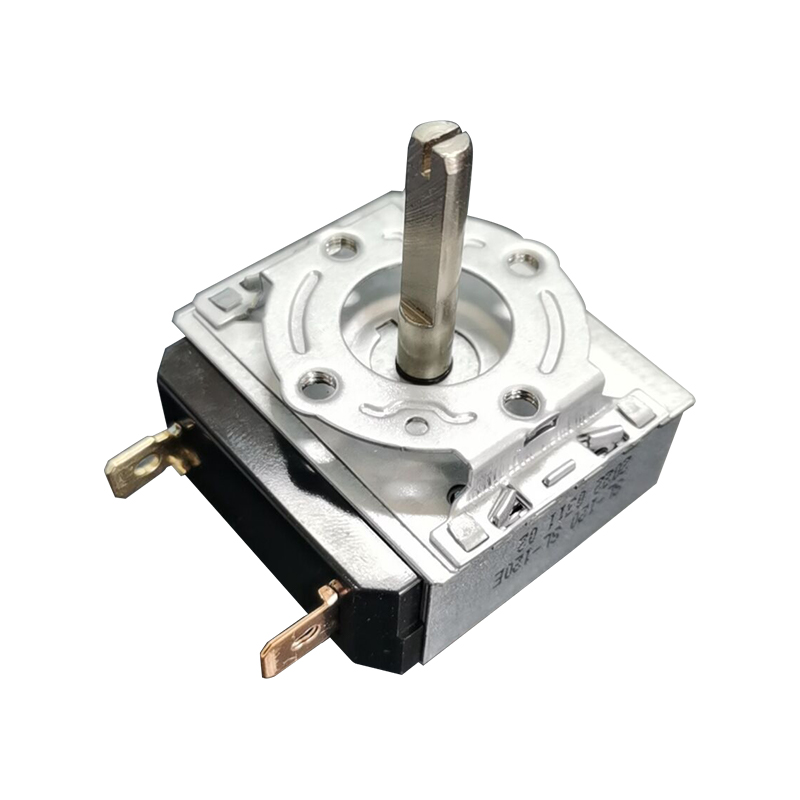
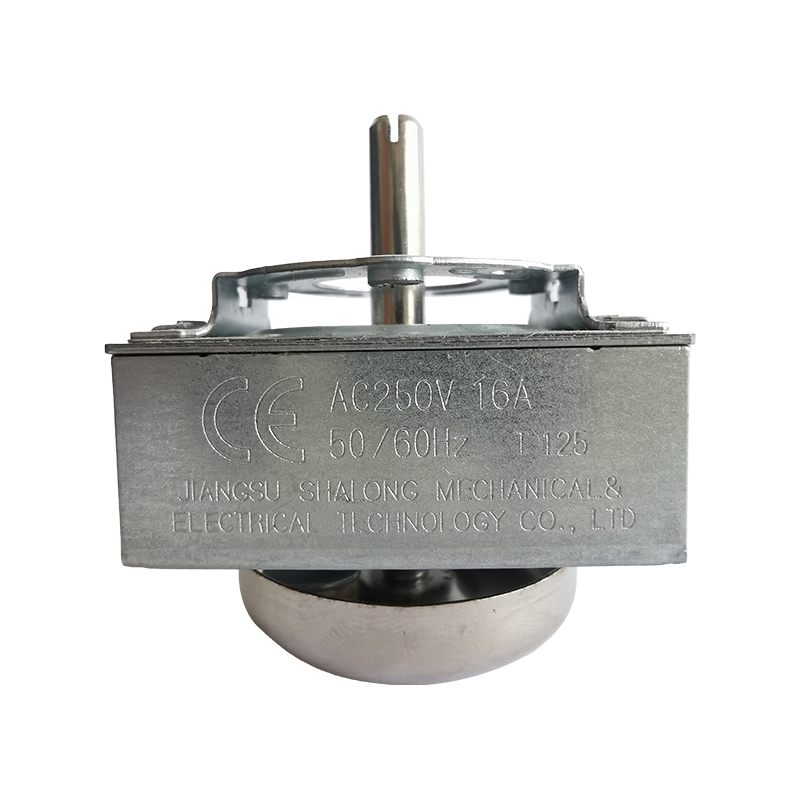
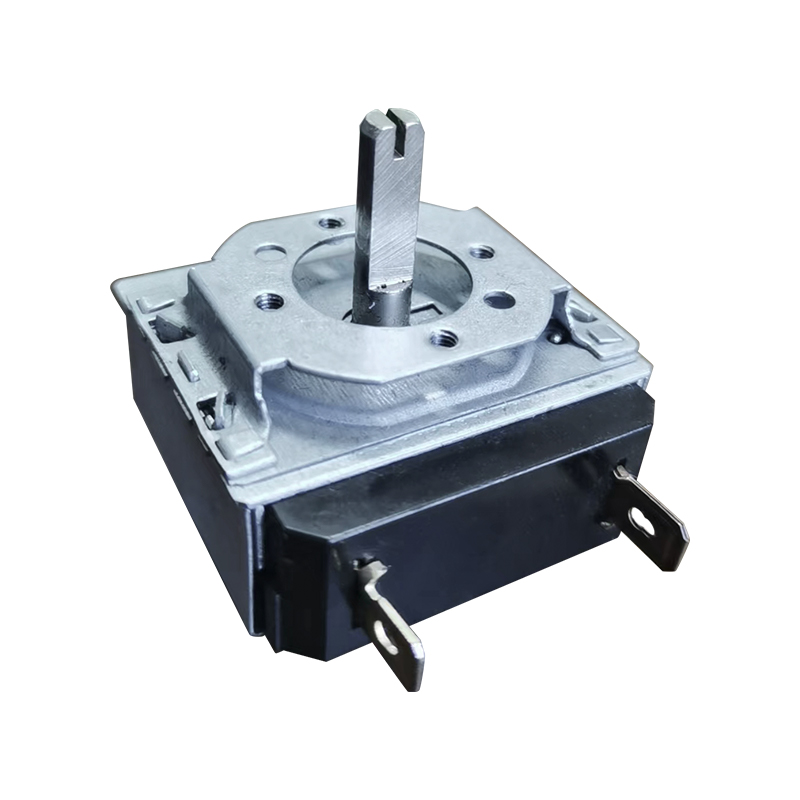
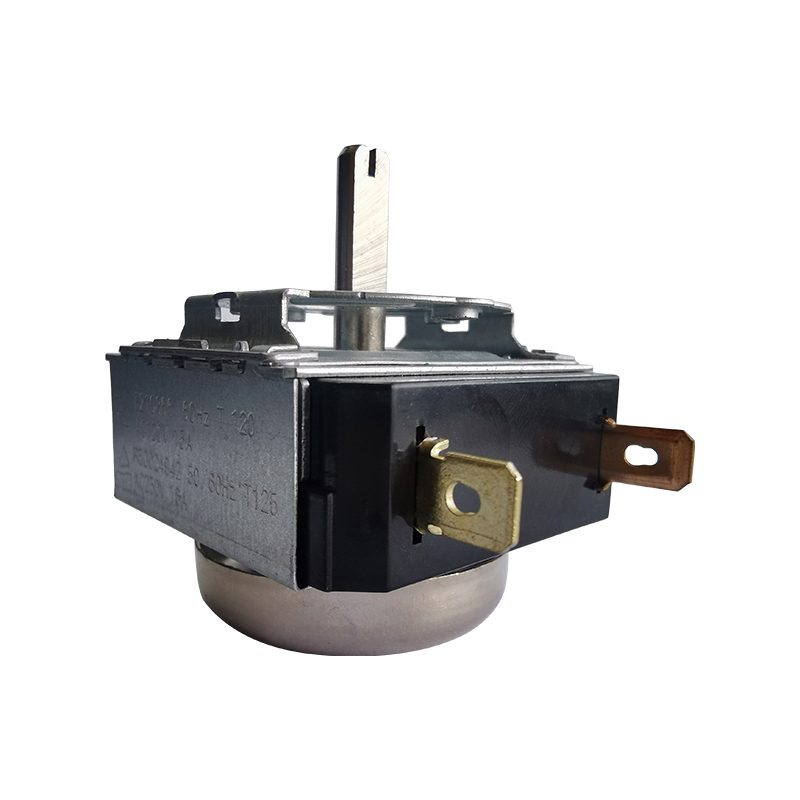
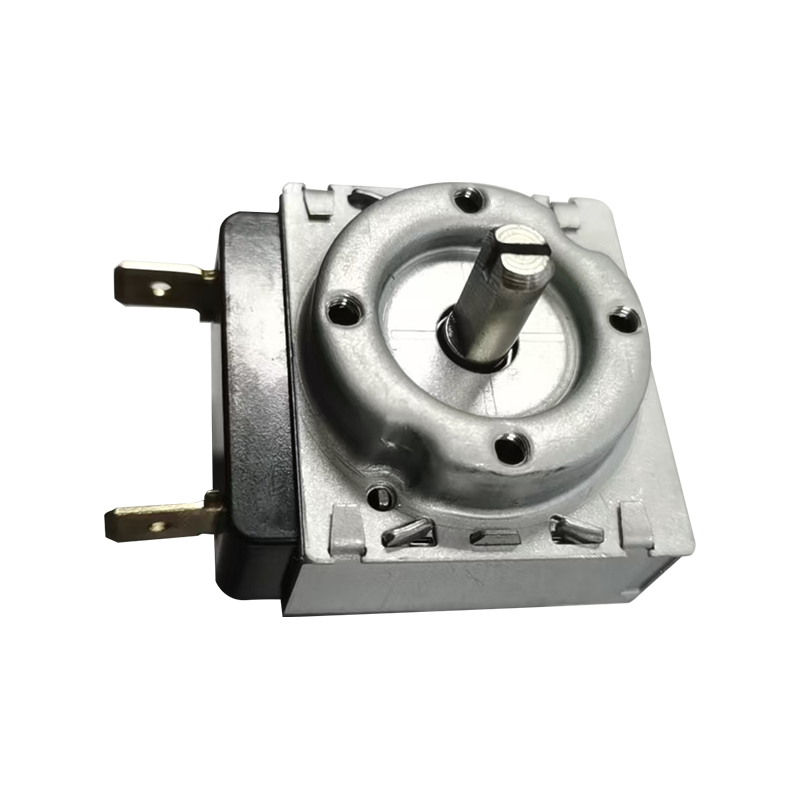
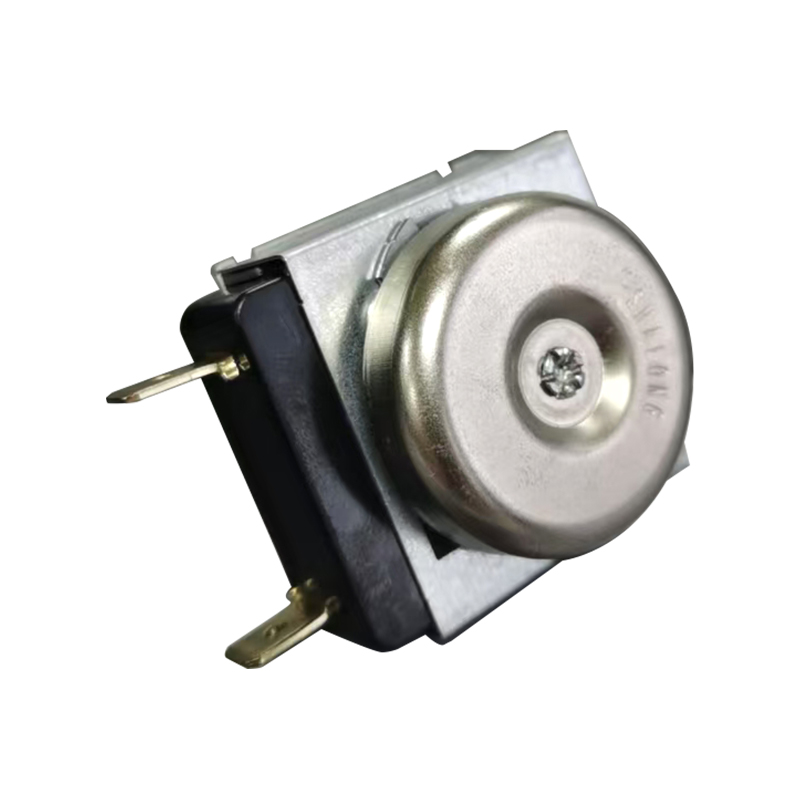
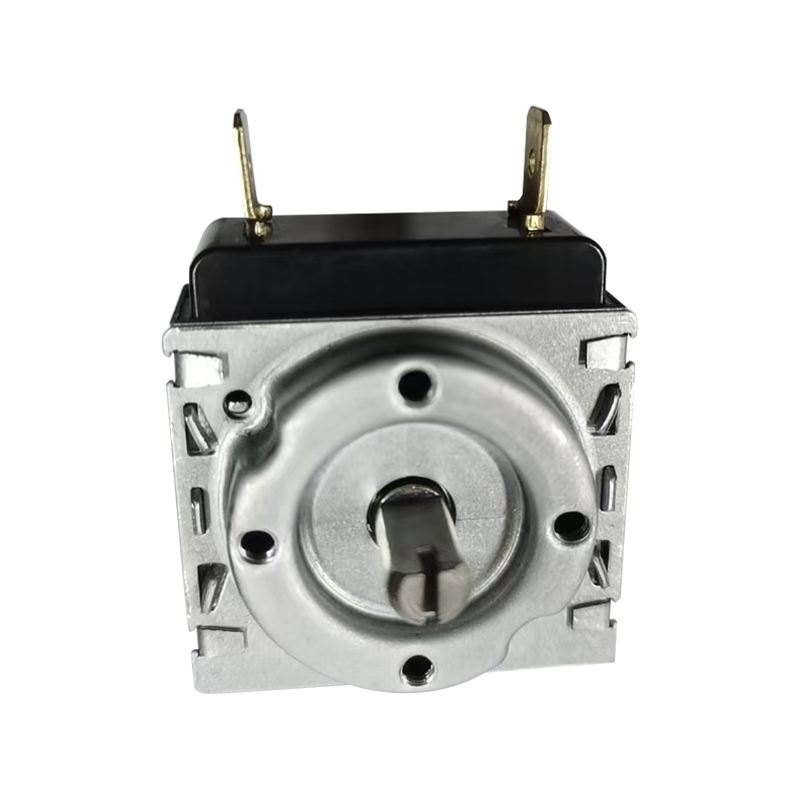
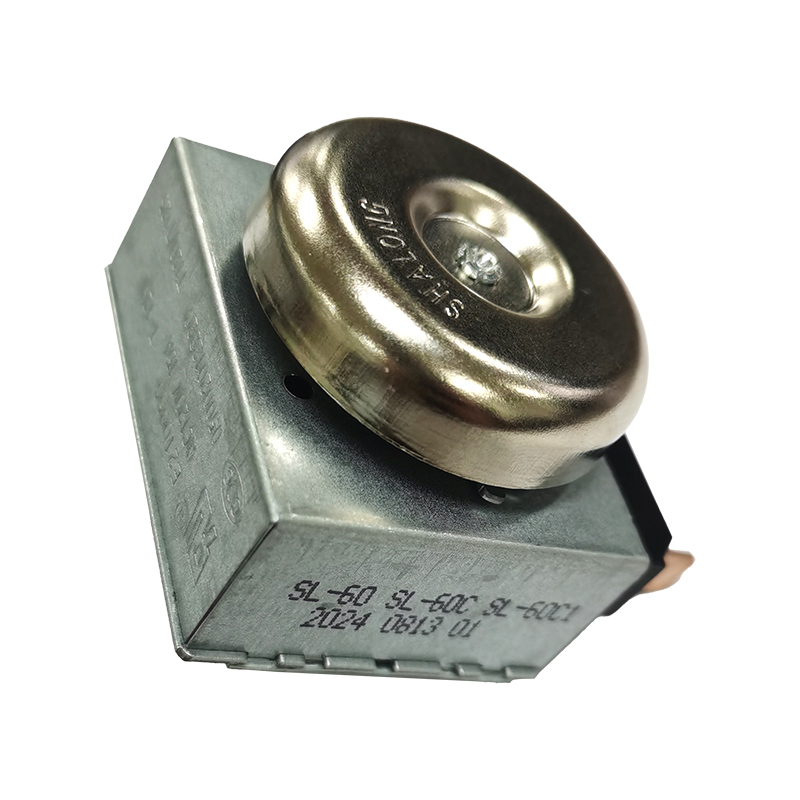
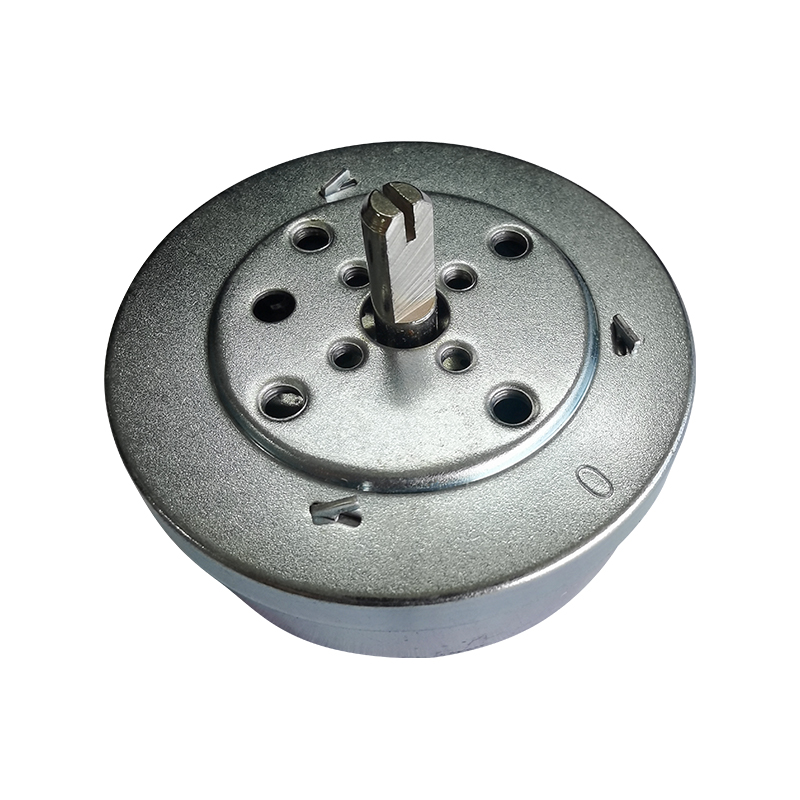
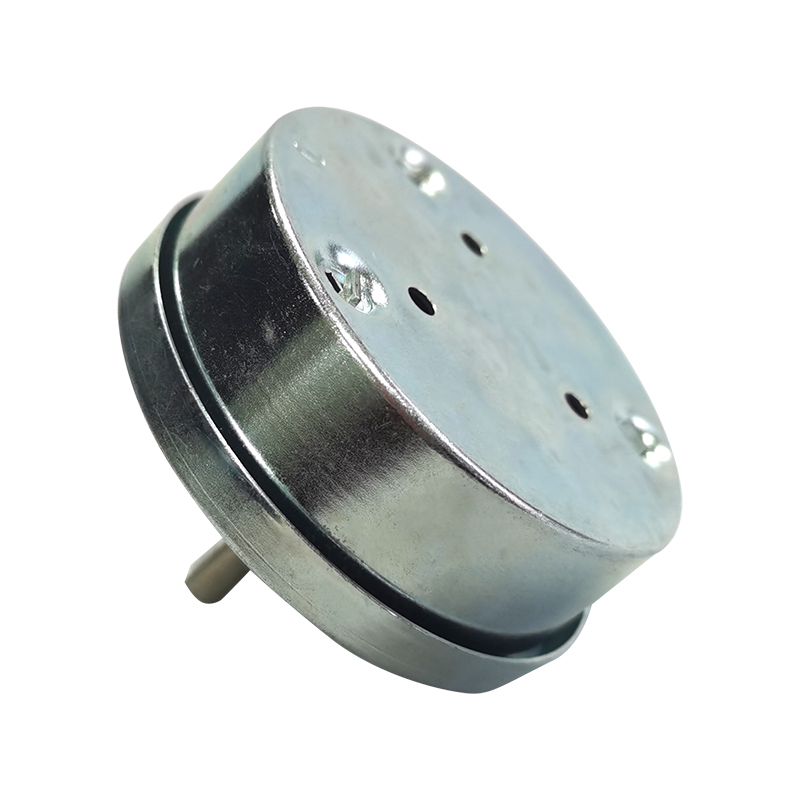
Conclusion: A circular mechanical timer for oven is a spring-driven or synchronous motor-powered timing device that controls oven cooking duration by mechanically switching power on or off after a preset time. It operates without batteries or digital displays, using a rotary dial and internal gears to measure elapsed time. Unlike digital timers, a Mechanical oven timer remains functional during power outages (spring-wound types) and offers simple, reliable operation. The Circular oven timer typically features a 60-minute maximum setting with an audible bell or buzzer to signal completion. Understanding how this component works helps users operate their ovens correctly and troubleshoot common issues.
How a Circular Mechanical Timer for Oven Works
A Circular Mechanical Timer For Oven uses one of two operating principles:
- Spring-wound type: The user rotates the dial, winding an internal spring. As the spring unwinds, gears drive the timing mechanism. When time elapses, a lever trips a switch to cut power and rings a bell.
- Synchronous motor type: A small electric motor (synchronized to the AC mains frequency, typically 50 or 60 Hz) drives the timing gears. This type requires power to operate but offers more consistent timing accuracy.
The typical Mechanical oven timer has a maximum setting of 60 or 120 minutes, with a manual "stay on" position (often marked with a bell icon or infinity symbol) for continuous operation without timer shut-off.
Timer Type Comparison: Spring-Wound vs. Synchronous Motor
Spring-Wound
Works without power
±5-10% accuracy
Synchronous Motor
Requires AC power
±1-2% accuracy
Synchronous motor timers offer better accuracy but rely on mains power to operate
Key Components of a Circular Oven Timer
A Circular oven timer consists of several mechanical parts working together:
- Rotary dial: Marked with time increments (typically 0-60 minutes) and often a manual "ON" position.
- Gear train: Precision brass or plastic gears that reduce rotation speed to measure minutes.
- Bell or buzzer: Sounds when the set time expires (typically a single "ding" or a short ring).
- Internal switch contacts: Opens or closes the oven heating circuit based on timer position.
- Return spring: Automatically returns the dial to the "off" position after time elapses on some models.
Quality Mechanical oven timer units use metal gears for durability. Lower-cost versions may use plastic gears that can wear out more quickly with frequent use.
How to Set and Use a Mechanical Oven Timer
Proper operation of a Circular Mechanical Timer For Oven follows these steps:
- Ensure the oven is connected to power (for motorized timers) or has a wound spring.
- Rotate the dial clockwise to the desired number of minutes (e.g., 30 minutes).
- The timer will begin counting down immediately. On some models, the oven will also turn on.
- When time elapses, a bell rings and the timer dial returns to "0" (or "OFF").
- For continuous oven operation (no timer shut-off), turn the dial to the manual position, often marked with a bell icon or the word "MANUAL".
Important: On many ovens, the timer must be set past 5-10 minutes before turning back to a lower setting for the mechanism to engage properly. This is a normal characteristic of Circular oven timer designs.
Table 1. Common timer dial markings and their meanings
| Dial Marking |
Meaning |
Typical Use |
| 0 or OFF |
Timer inactive, oven off (if connected) |
Default position when not in use |
| 1-60 numbers |
Countdown minutes until shut-off |
Timed cooking, baking |
| Bell icon or MANUAL |
Oven stays on continuously |
Long cooking, preheating |
Common Problems with Circular Mechanical Timers
Over time, a Mechanical oven timer may develop issues. The chart below shows the frequency of reported problems.
Common Timer Failure Modes (Field Service Data)
No bell or buzzer is the most common complaint, often due to a broken striker or spring
Troubleshooting Quick Guide
- Timer not counting down: Check if the oven is powered (motorized type) or if the spring is wound (spring type).
- No bell at end: The bell striker or hammer mechanism may be misaligned or broken.
- Oven shuts off before time expires: The internal switch contacts may be worn or the gear train slipping.
- Dial is hard to turn: Internal gears may be dry or obstructed; do not force rotation.
Replacing a Faulty Circular Mechanical Timer
When a Circular oven timer fails beyond repair, replacement is typically straightforward. Replacement timers are available from appliance parts suppliers. Key considerations include:
- Match the replacement timer's shaft shape and diameter to the original dial knob.
- Verify the timer's voltage rating (often 120V, 220-240V, or low-voltage DC for some models).
- Confirm the mounting bracket hole spacing matches the oven control panel.
- Check if the timer includes the internal switch (SPST or SPDT) required by the oven circuit.
Most Mechanical oven timer replacements require basic screwdriver work and electrical safety precautions. Always disconnect oven power before attempting any repair.
Timer Replacement Difficulty by Oven TypeFrequently Asked Questions (FAQ)
Q1: Does a circular mechanical timer for oven require batteries?
No. Spring-wound Mechanical oven timer units operate without any power source. Synchronous motor types require AC mains power but do not use batteries.
Q2: Why does my circular oven timer need to be set past 10 minutes before selecting a shorter time?
This is a design feature of many Circular oven timer mechanisms. Winding past 10 minutes engages the gear train fully. Setting a short time directly may not provide enough force to start the mechanism.
Q3: Can I replace a mechanical timer with a digital one?
Possible but not straightforward. Digital timers require different wiring, voltage compatibility, and control logic. Most users opt for an exact replacement Circular Mechanical Timer For Oven to maintain original fit and function.
Q4: How accurate is a typical mechanical oven timer?
Spring-wound timers typically have an accuracy of ±5-10% of the set time. Synchronous motor timers are more accurate, usually within ±1-2% when AC mains frequency is stable.
Q5: Why does my oven turn off when the timer reaches zero?
This is by design on many ovens. The Circular oven timer controls the heating circuit. When time expires, the internal switch opens, cutting power to the oven. Use the manual "ON" position to bypass this function for continuous cooking.



 English
 中文简体
中文简体